Notification permission and ATT prompt timing
16 data-backed questions on Notification permission and ATT prompt timing, from Lazyweb Research — each answer cites proprietary analysis of real, in-market app screens.
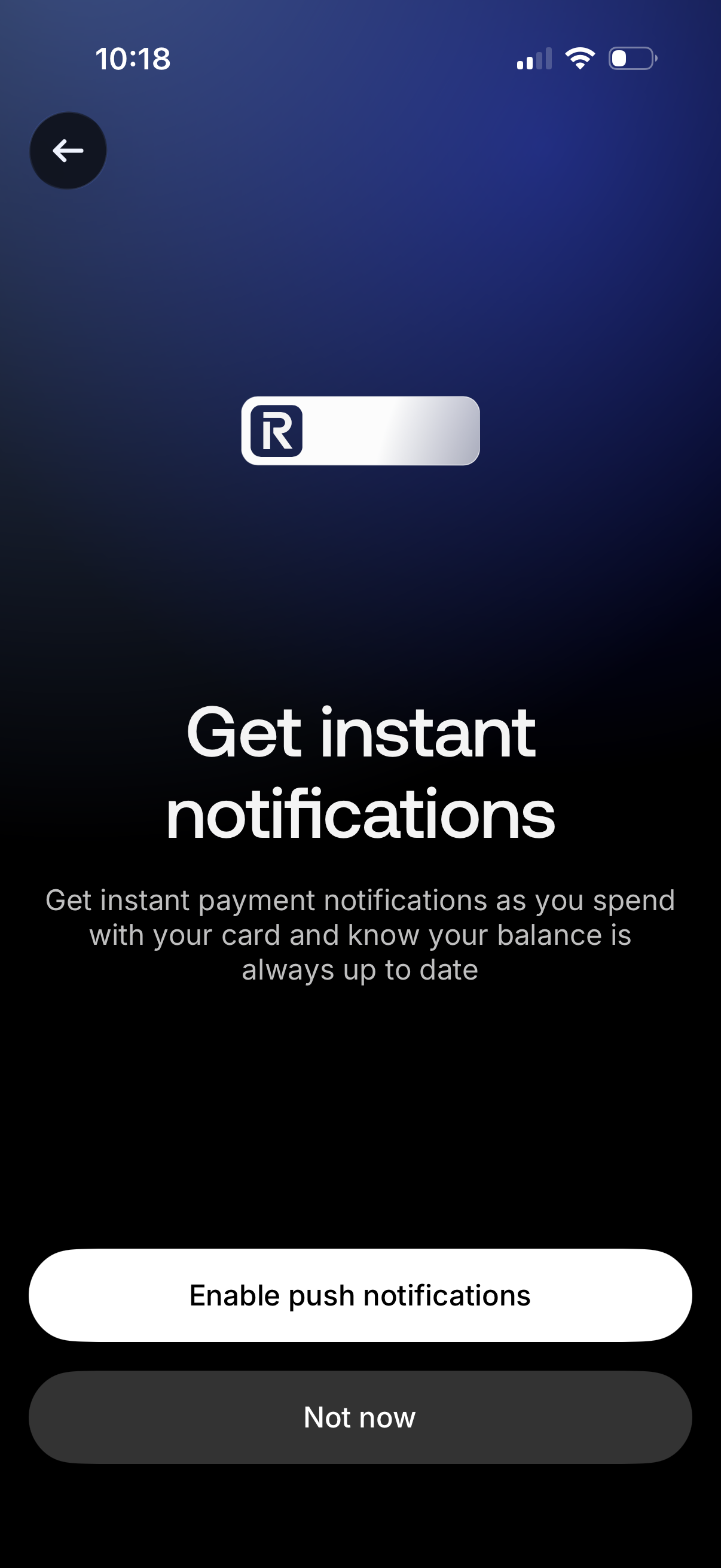
How does Revolut explain notifications before showing the system permission prompt?
Revolut’s captured primer describes payment alerts and an up-to-date balance, with distinct enable and defer actions. The next screenshot shows the iOS permission dialog over the primer. This separat…
 Read page TLDR
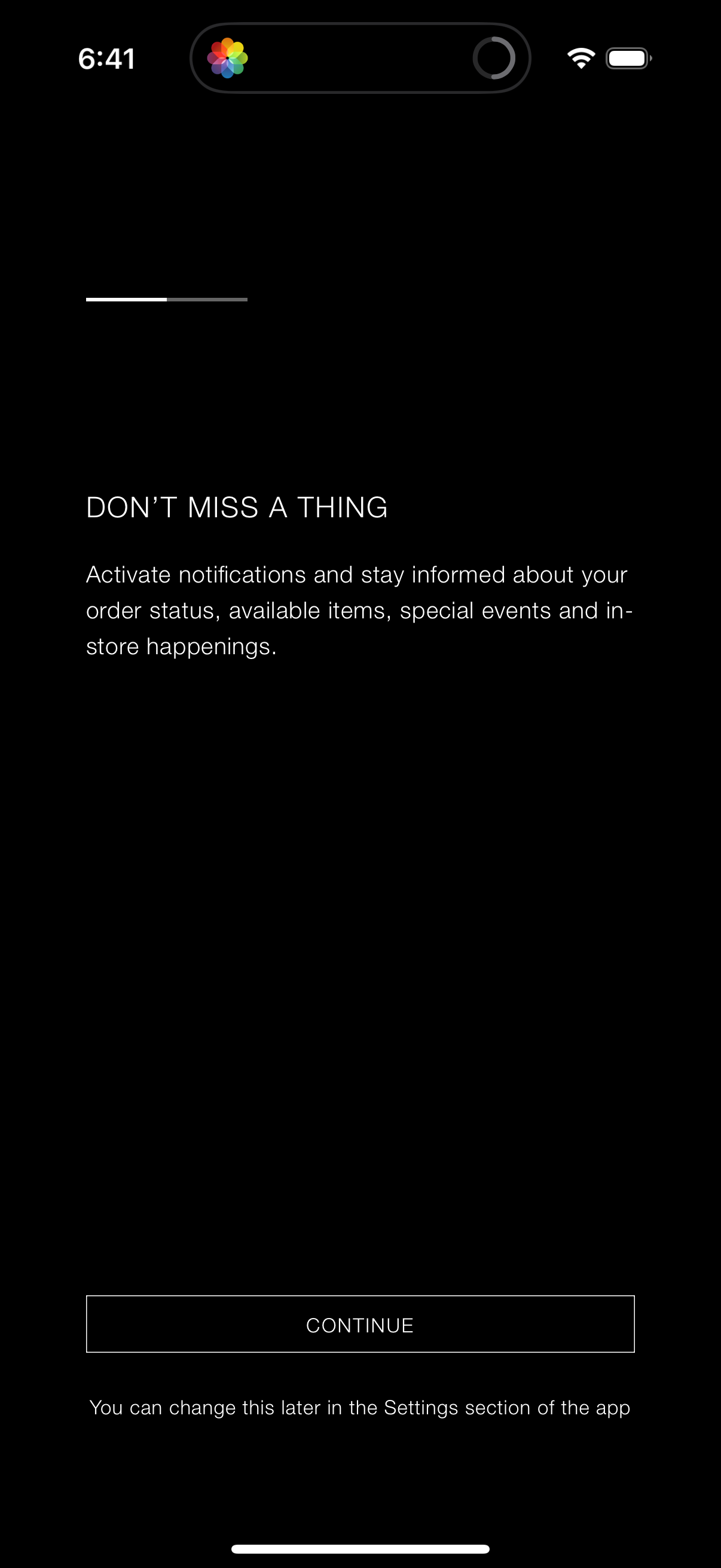
What Percentage of Apps Show a Priming Screen Before the iOS Notification Prompt?
Across 65 apps with a verified notification-permission ask in Lazyweb Research's mobile corpus, 41 (63%) have at least one custom priming screen before or around the native iOS dialog [1]. A stricter…
 Read page TLDR
At Which Onboarding Step Do Apps Ask for Notifications?
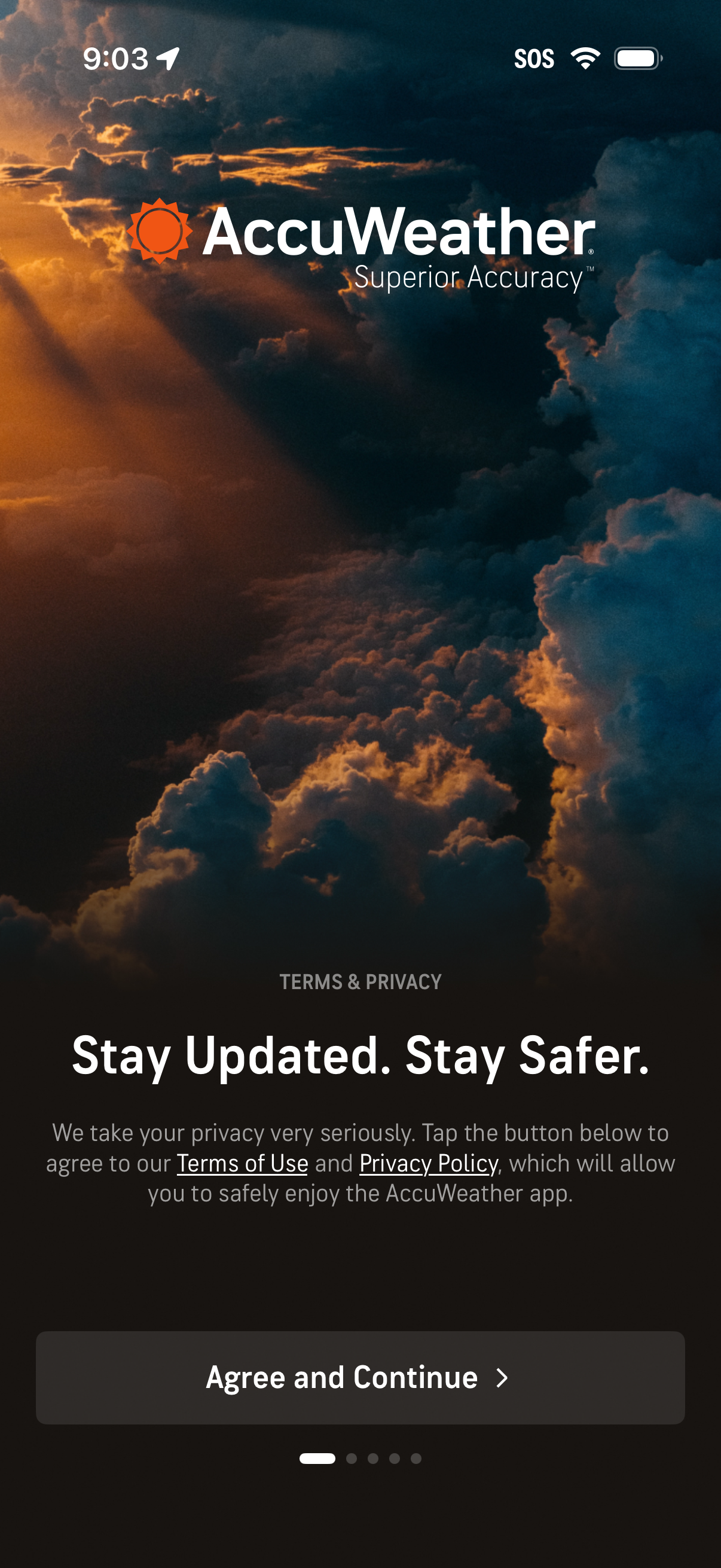
Across 26 tracked flows containing a notification-permission screen, the ask lands at an average step of 2.9 (median 2) in flows that average 5.6 steps — roughly 64% of the way through [1]. But the t…
 Read page TLDR
When Do Apps Ask for Location — Before or After Showing Value?
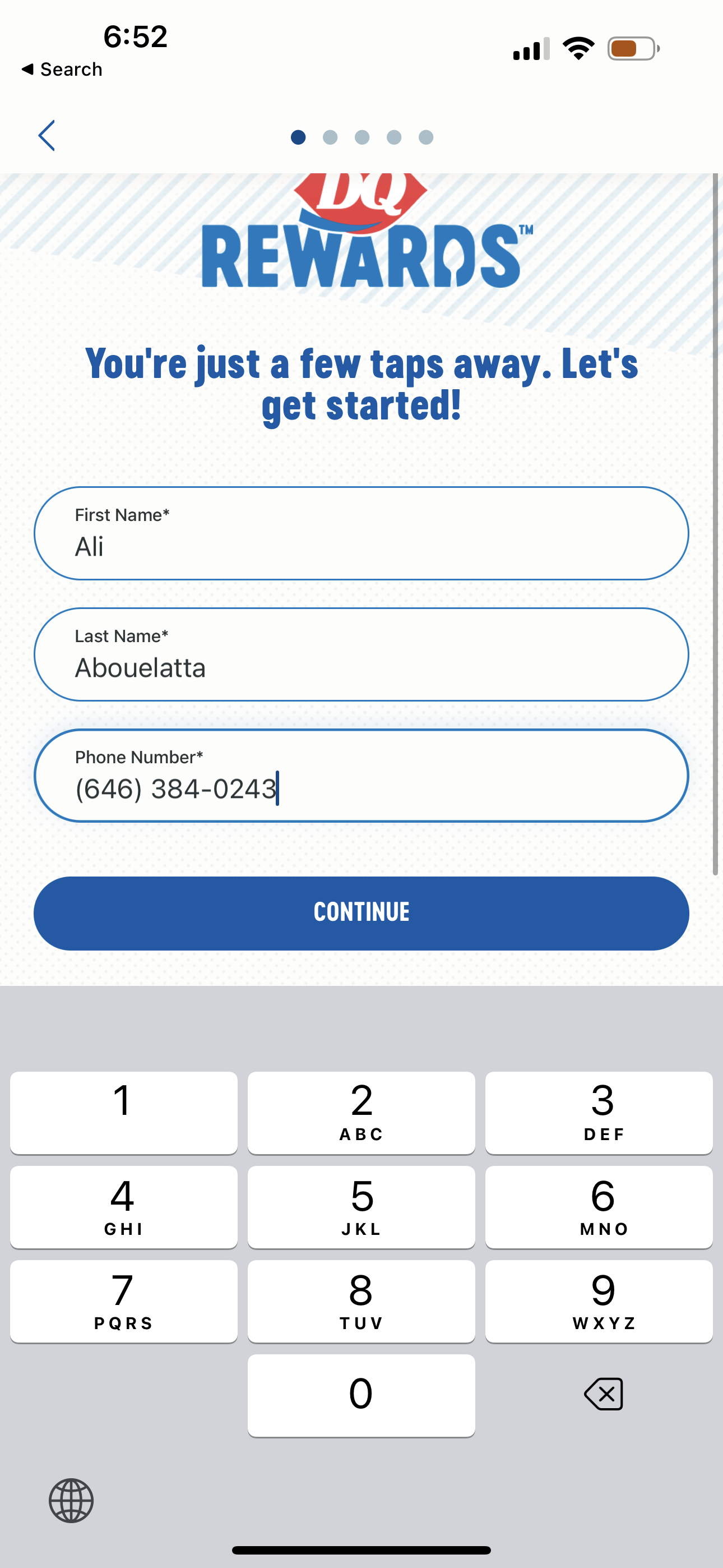
Across 33 apps with a location-permission screen in Lazyweb Research's corpus, 26 (79%) frame the ask with nearby/near-you value copy rather than a bare system prompt [1]. In tracked flows, location…
 Read page TLDR
How Do Apps Word ATT Tracking Prompts?
Across 42 apps with a described ATT/tracking screen in Lazyweb Research's corpus, 23 (55%) frame tracking as personalization — personalized ads, recommendations, or shopping — and 10 (24%) promise be…
 Read page TLDR
Which Permission Comes First When Apps Need Several?
Across only 7 same-flow permission pairs observed in Lazyweb Research's corpus, notification-before-ATT is the most common ordering (3 flows), followed by ATT-before-notification (2), location-before…
 Read page TLDR
What Benefits Do Apps Promise on Notification Priming Screens?
Across 74 apps with a custom (non-OS-dialog) notification screen in Lazyweb Research's corpus, 'updates' is the most common benefit framing (34 apps), narrowly ahead of 'deals/offers/drops' (33), the…
 Read page TLDR
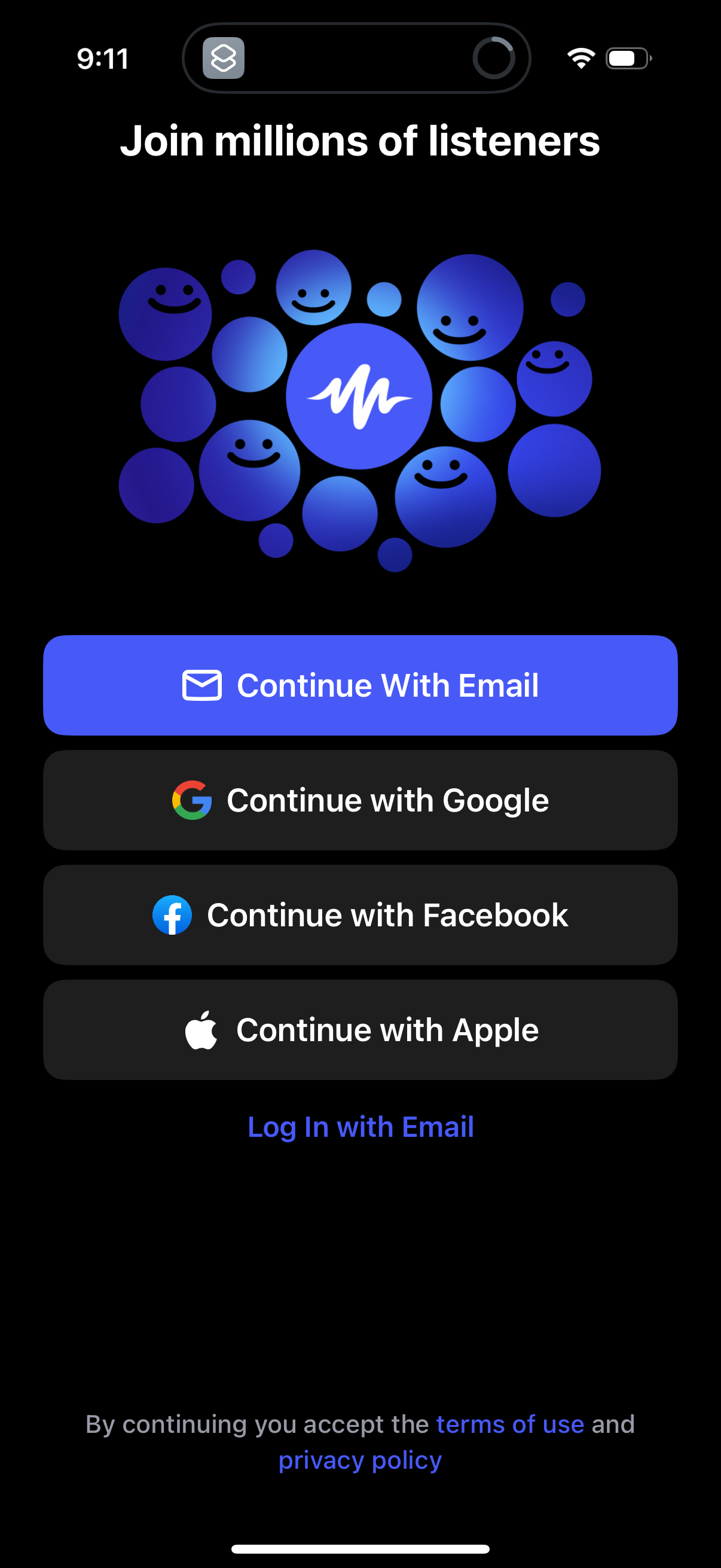
What Do Apps Label the Decline Button on Notification Priming Screens?
Across 74 apps with a custom notification screen in Lazyweb Research's corpus, 'Not Now' is the dominant soft-decline label (18 apps), ahead of 'Skip' (8) and 'Maybe Later' (5) [1]. 'Not Now' wins be…
 Read page TLDR
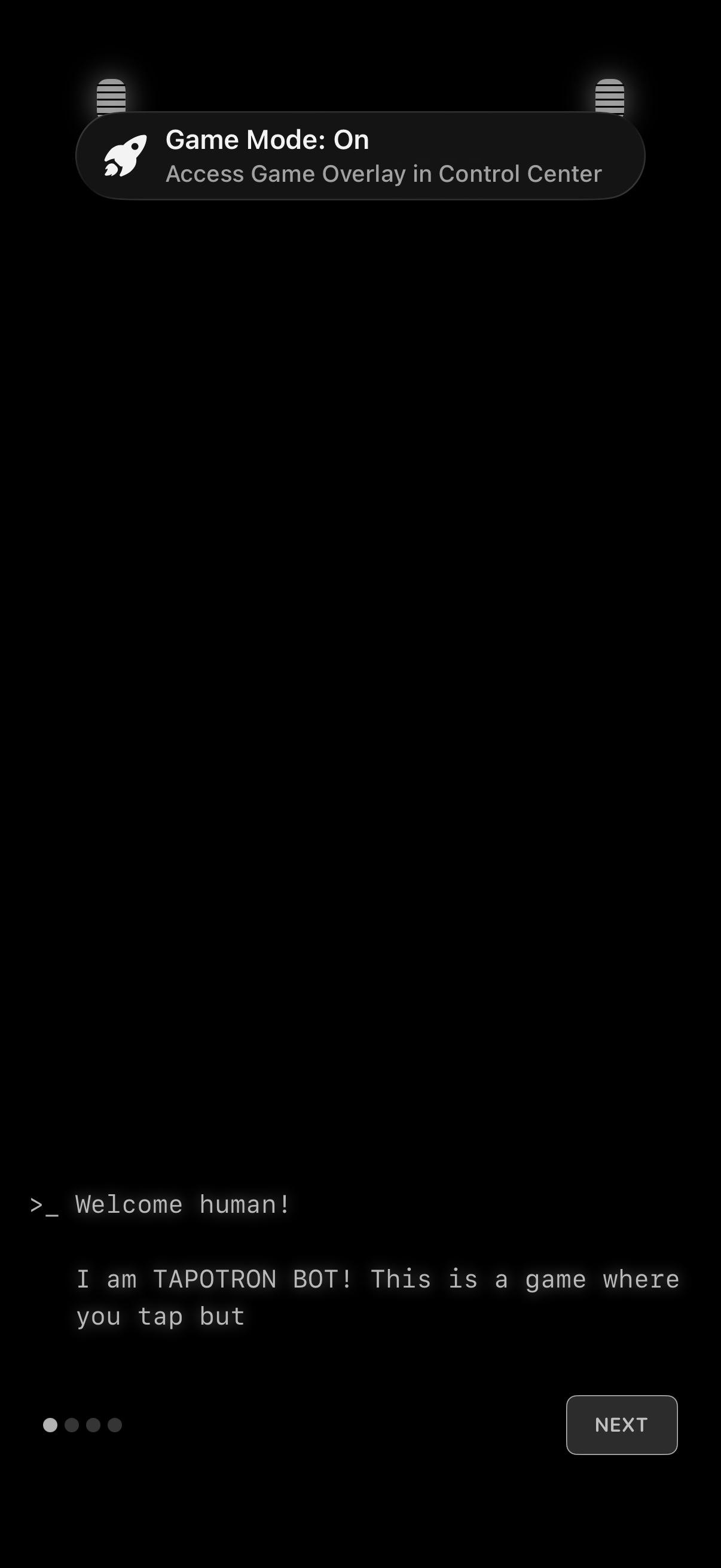
When Do Apps Fire the ATT Prompt in Onboarding?
Across 12 tracked flows with an ATT prompt in Lazyweb Research's corpus, the ATT ask sits at an average step of 5.9 (median 2) inside longer flows that average 9.6 steps — about 70% of the way throug…
 Read page TLDR
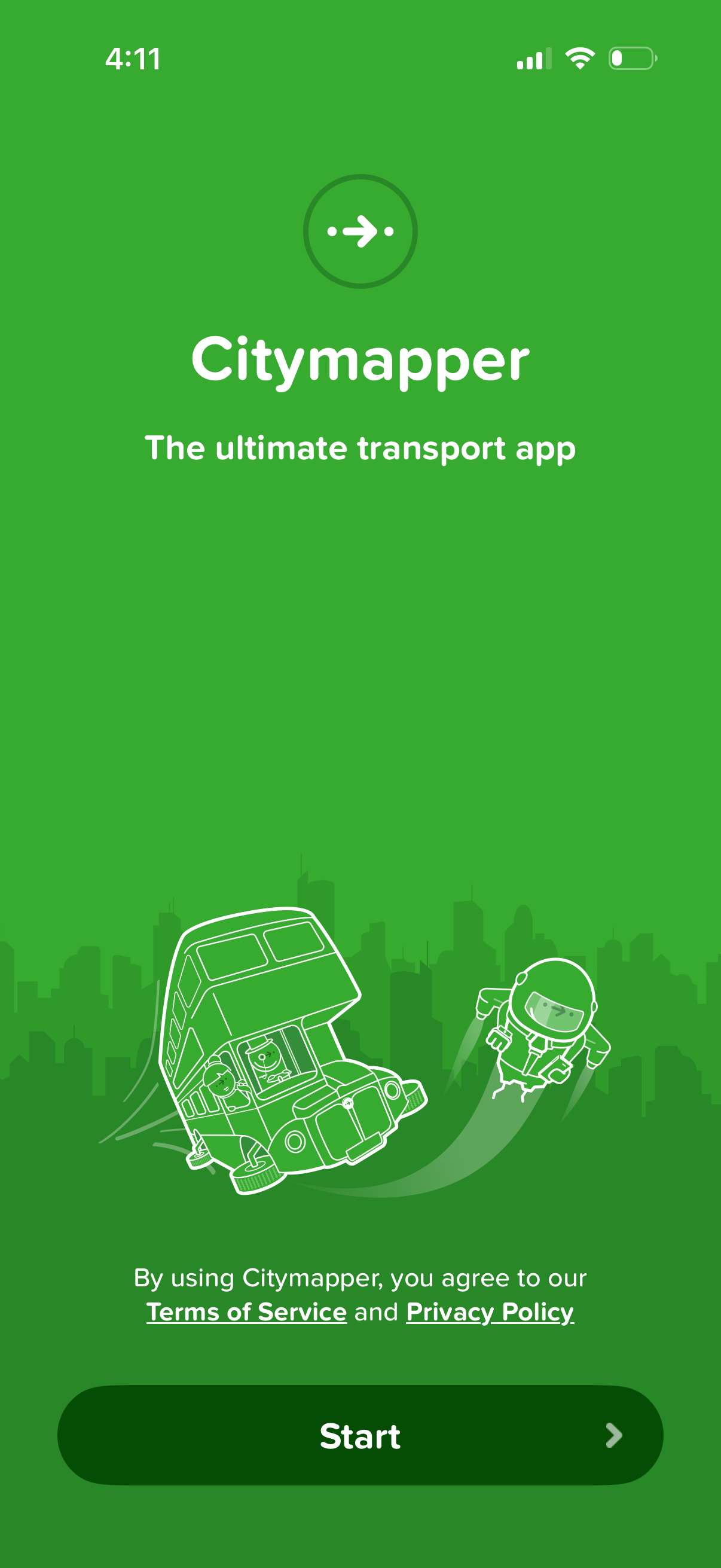
Should ATT Prompts Frame Tracking as Personalization or as Better Deals?
Across 42 apps with a described ATT screen in Lazyweb Research's corpus, personalization framing (personalized ads/recommendations/shopping) appears in 23 apps (55%) versus 10 (24%) that promise bett…
 Read page TLDR
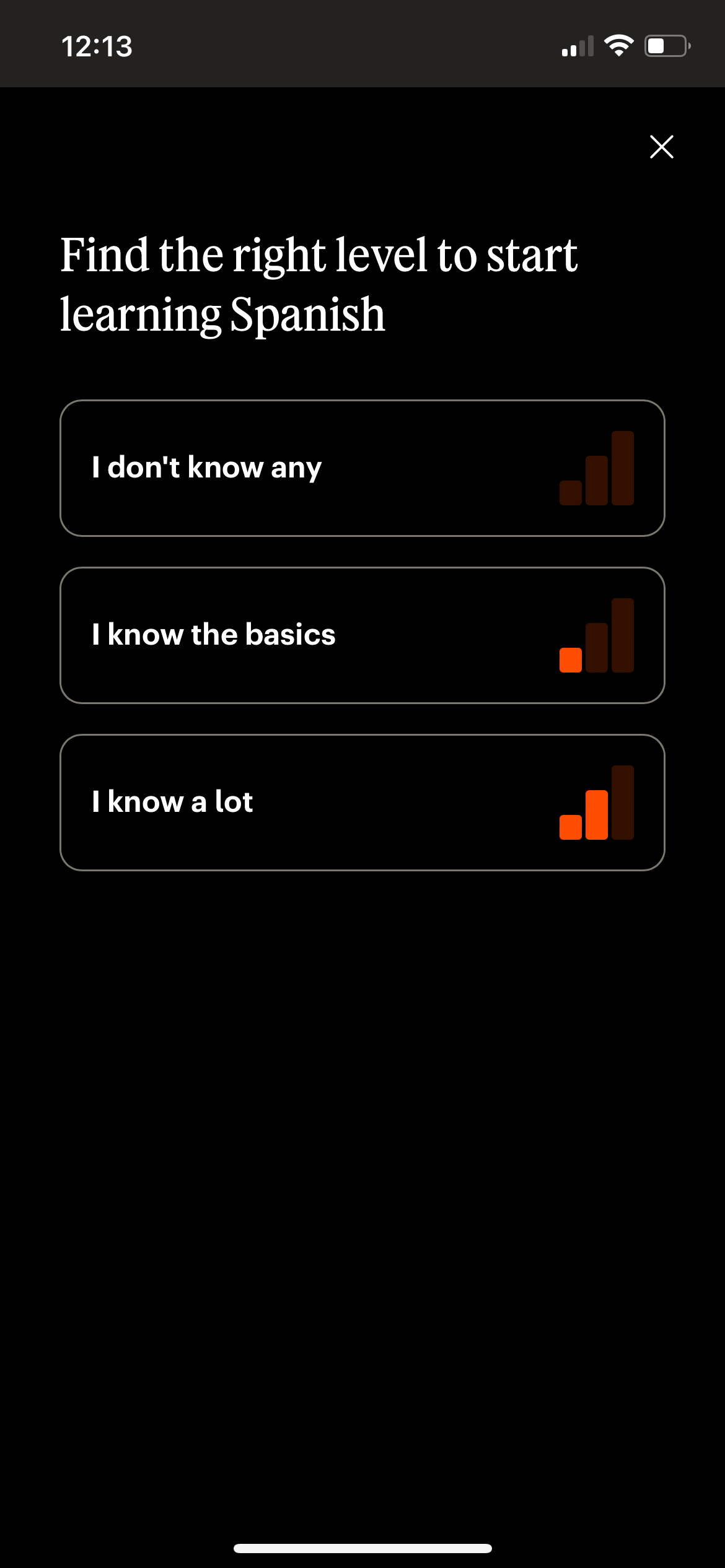
What Percentage of Apps Show a Custom Explainer Before the Native ATT Dialog?
Across 42 apps with a described ATT screen in Lazyweb Research's corpus, 20 (48%) show a custom pre-ATT explainer screen before the native App Tracking Transparency dialog [1]. Roughly half of ATT-as…
 Read page TLDR
How Common Are Notification Permission Asks in Mobile Apps?
Of 807 apps with screenshots in Lazyweb Research's corpus, 99 (12%) have any notification-category screen captured and 65 (8%) have a verified permission ask [1]. Those are floors, not ceilings — scr…
 Read page TLDR
Which App Categories Ask for Notification Permission Most?
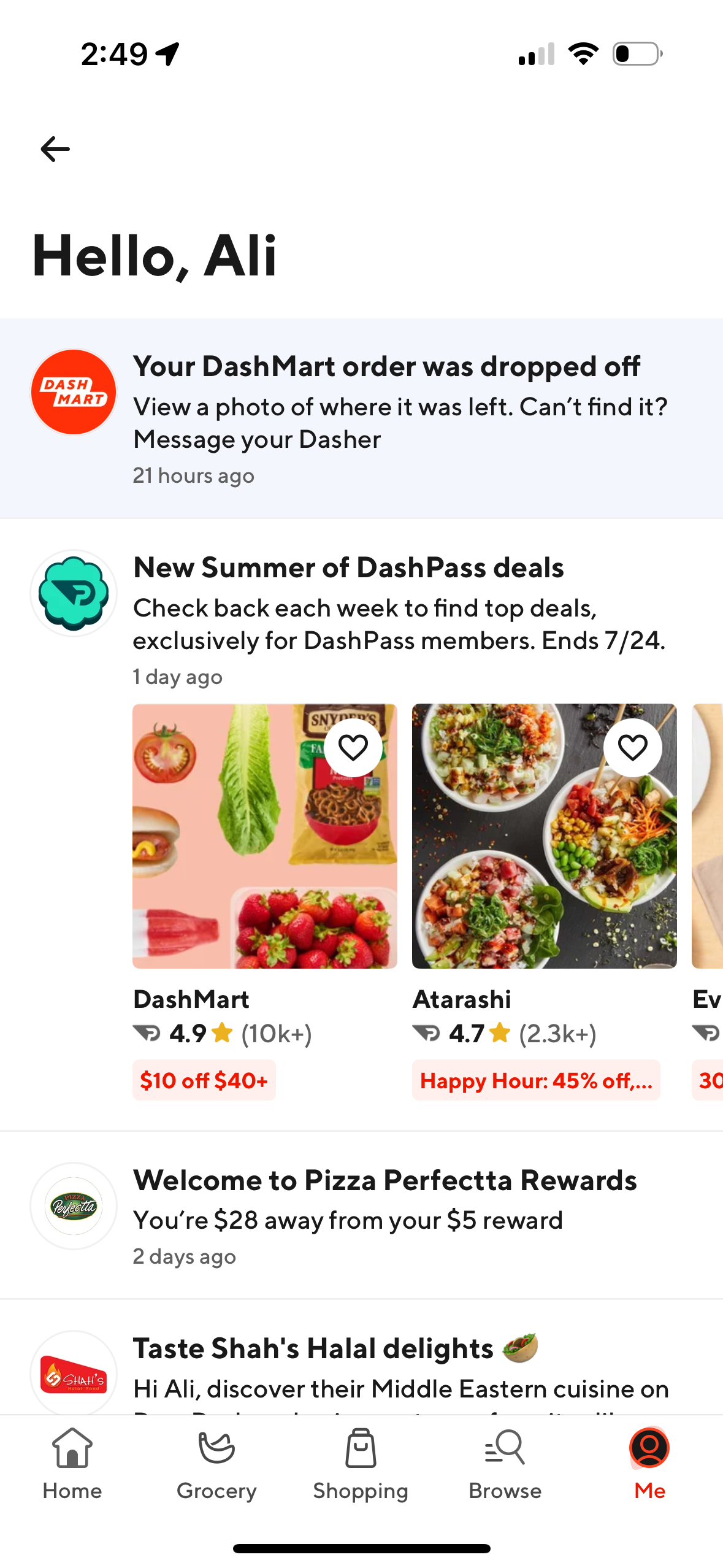
Among 96 apps with a notification-category screen in Lazyweb Research's corpus, travel and shopping lead with 11 apps each, followed by health & fitness (10) and news (8) [1]. Every vertical count is…
 Read page TLDR
Which App Categories Ask for ATT and Location Permission Most?
Among the ATT and location apps in Lazyweb Research's corpus, shopping leads ATT asks (8 apps) while food & drink leads location asks (6 apps) [1]. All counts are small — absolute company counts, not…
 Read page TLDR