When Do Apps Ask for Location — Before or After Showing Value?
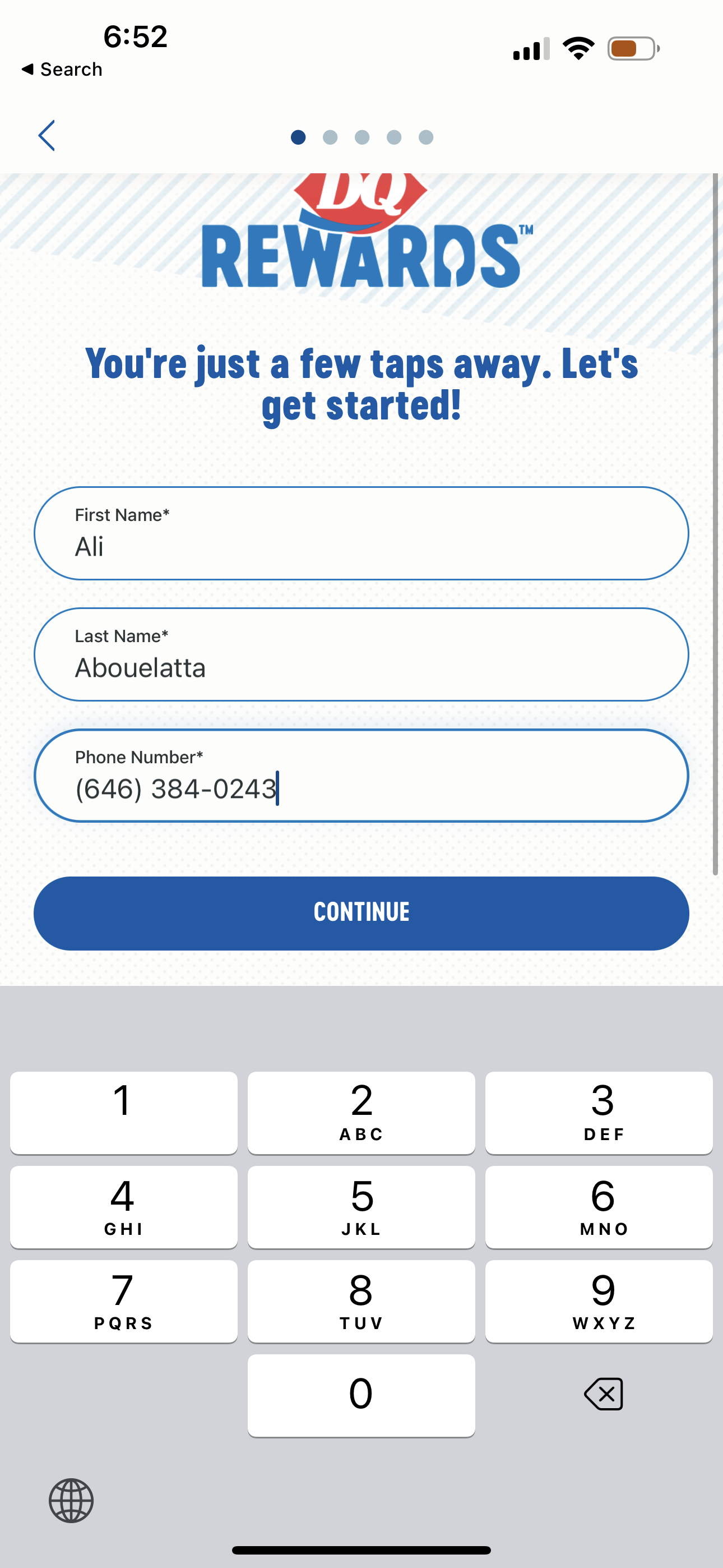
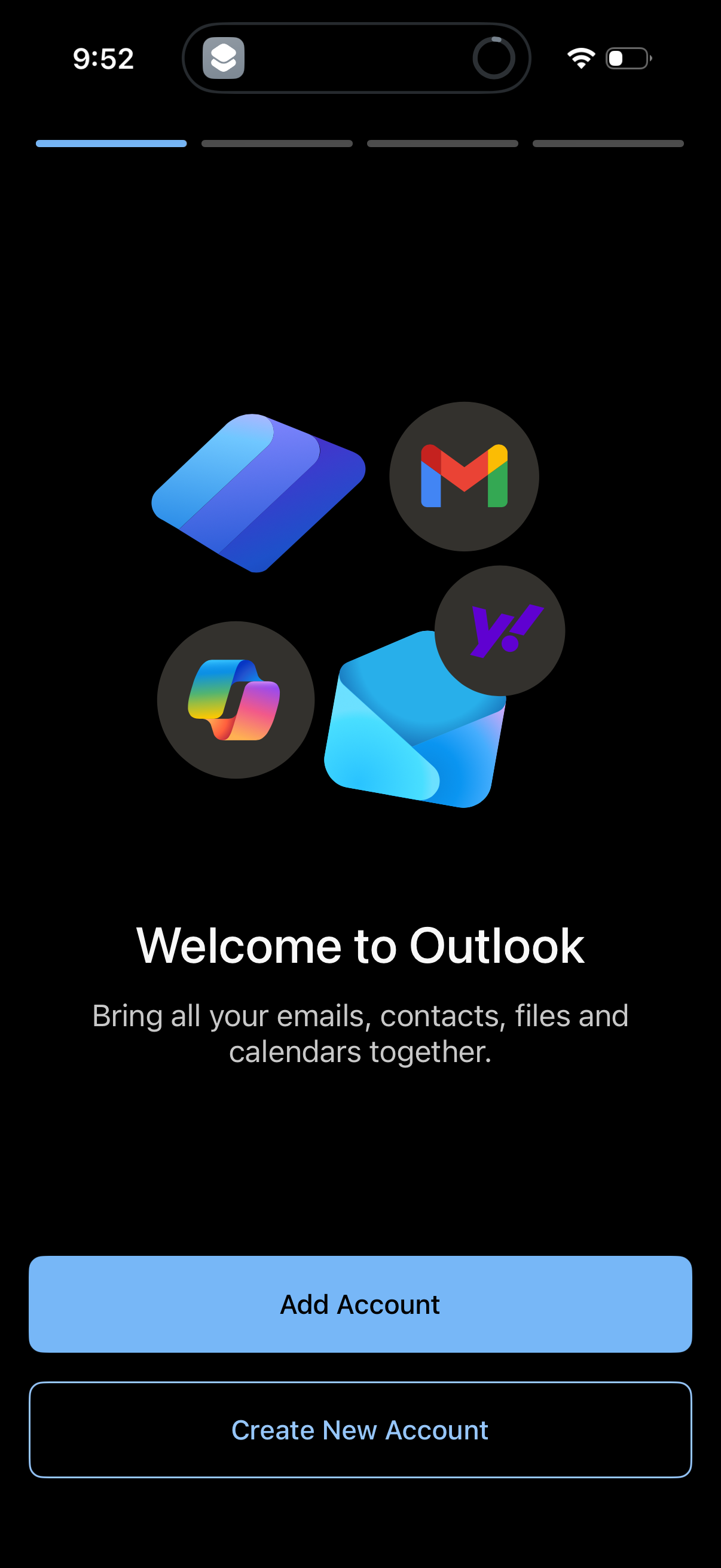
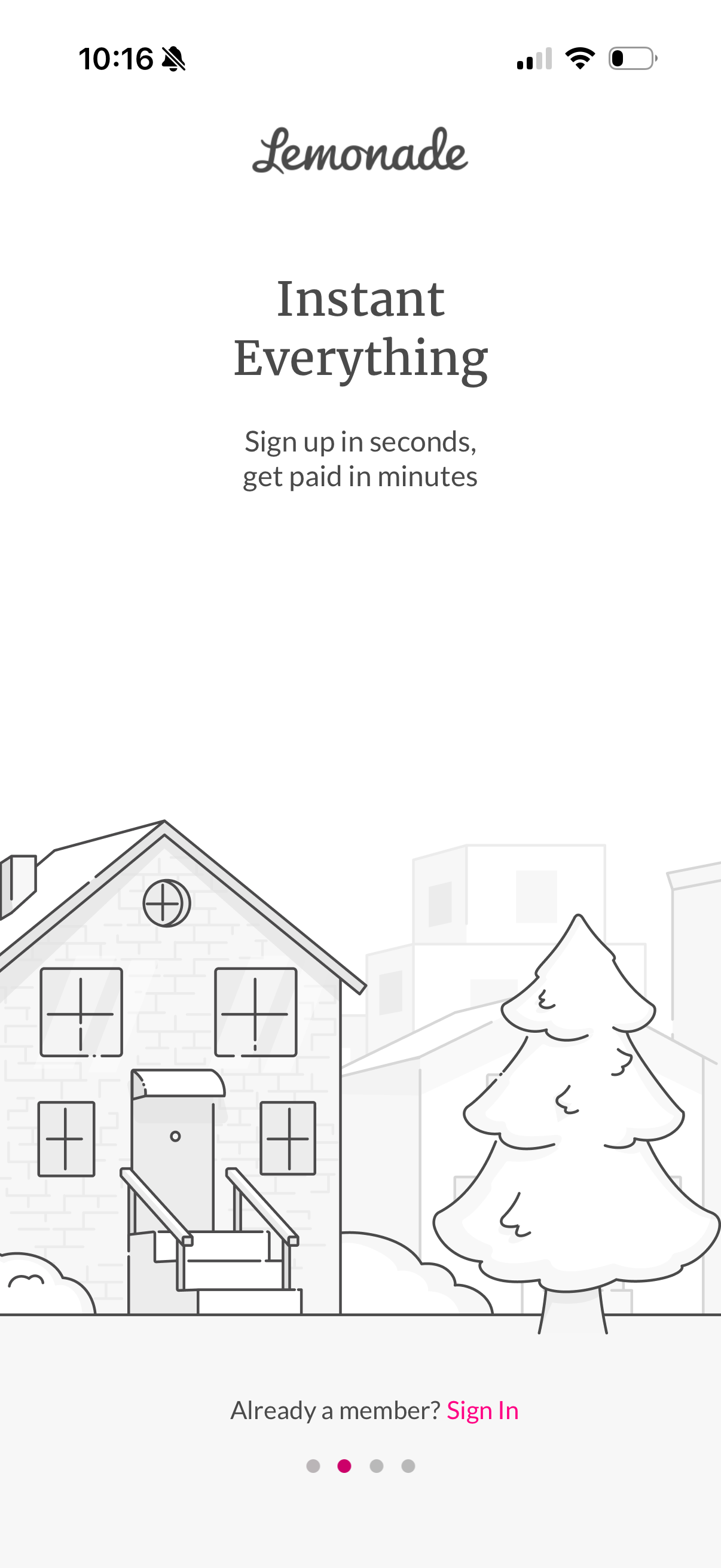
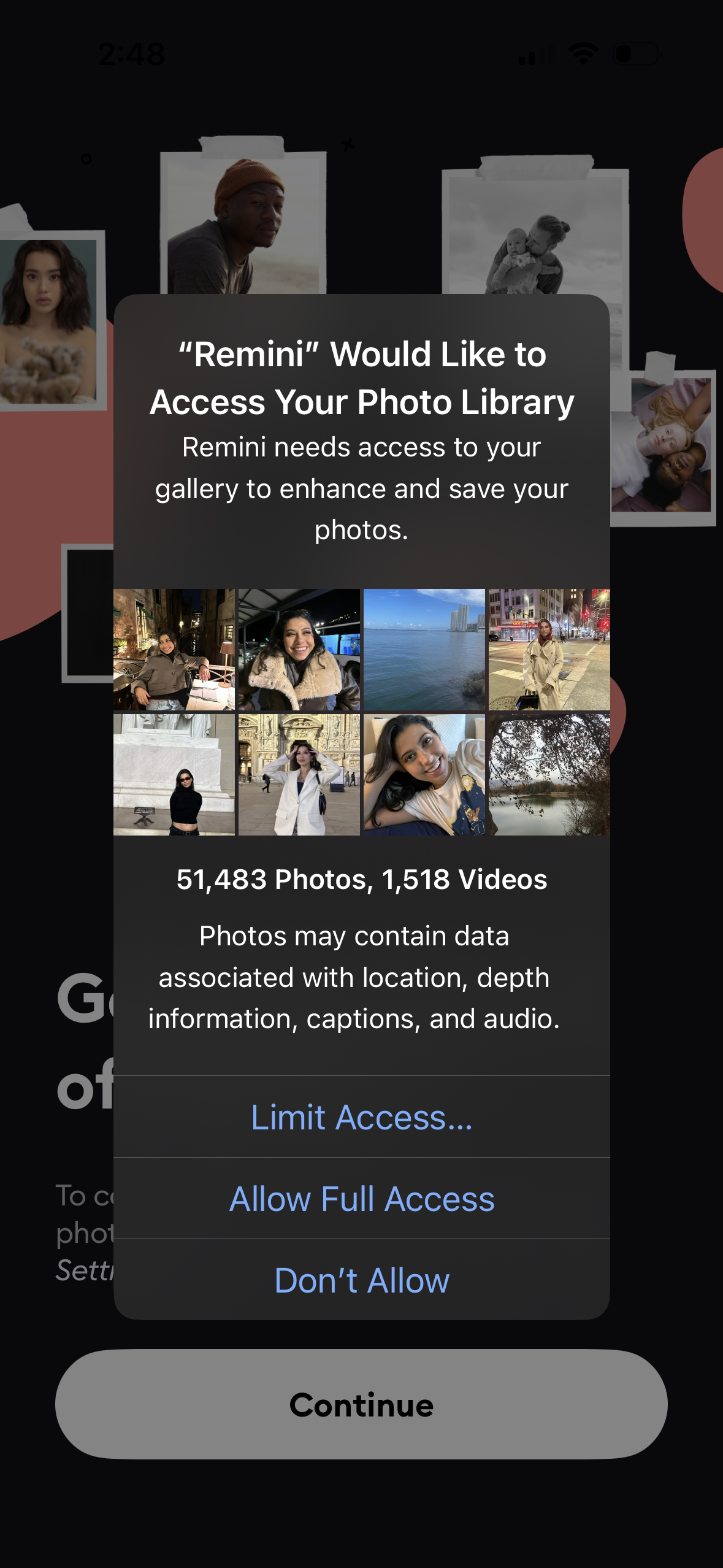
Across 33 apps with a location-permission screen in Lazyweb Research's corpus, 26 (79%) frame the ask with nearby/near-you value copy rather than a bare system prompt [1]. In tracked flows, location asks land at an average step of 2.8 (median 2.5), about 62% of the way through short 4.6-step flows [2]. The dominant pattern is to attach the ask to a concrete 'see what's around you' benefit, not to fire it cold.
79% of apps requesting location (26 of 33) frame it with nearby/near-you value copy — Lazyweb Research, July 2026.
| Item | Value |
|---|---|
| Average step [2] | 2.8 |
| Median step [2] | 2.5 |
| Average relative position [2] | 0.616 |
| Average flow length [2] | 4.6 steps |
| Occurrences / flows [2] | 30 / 10 |
The finding
Of 33 apps with location-permission screens (including combined location+notification opt-ins), 26 (79%) use nearby/near-you/around-you/local framing, and 10 tie the ask to a delivery, pickup, or store use case [1]. 17 of the 33 have a custom (non-OS-dialog) priming screen, and 29 had the native OS dialog captured [1]. Value framing is the norm.
Where the ask sits in the flow
| Metric | Value |
|---|---|
| Average step [2] | 2.8 |
| Median step [2] | 2.5 |
| Average relative position [2] | 0.616 |
| Average flow length [2] | 4.6 steps |
| Occurrences / flows [2] | 30 / 10 |
Location asks appear in short flows and land past the midpoint — consistent with 'let the user glimpse the map or feed, then ask' rather than a cold first-screen request. This rests on only 10 flows, so read it as directional [2].
How to apply it
Attach the location prompt to a visible benefit the user is about to receive — nearby results, delivery to their door, the closest store. The corpus strongly favors this: only 7 of 33 apps ask without nearby framing [1]. If your app has a delivery or pickup model, that concrete use case (10 of 33 apps) is the sharpest justification.
Caveats
Position stats rest on 10 flows and 30 occurrences — a small sample; lead with counts [2]. The 33-app framing base mixes pure-location and combined location+notification opt-in screens. Framing shares come from vision-description regexes over captured screens, so they describe observed copy, not measured conversion.
The numbers
| Stat | Computed from |
|---|---|
| nearby framing 26/33 (79%); delivery/pickup/store 10/33; custom priming 17/33; native dialog captured 29/33 | location_value_framing: per-company bool_or of vision_description regexes over location screen set |
| avg step 2.8, median 2.5, relative 0.616, flows average 4.6 steps; 30 occurrences across 10 flows | location_position_in_flows: ROW_NUMBER-ranked flow_steps joined to location label set |
| 60 location-permission canonical screens across 30 companies (+22 combined screens across 5 companies) | location_screens_inventory: location label set inventory |
Sources & citations
- [1] Lazyweb Research analysis of 33 apps (location-permission set, 807-app corpus), July 2026. Includes combined location+notification opt-in screens; framing via vision-description regexes. ↩
- [2] Lazyweb Research analysis of 10 flows (location positions), July 2026. Small flow sample; positions via ROW_NUMBER within tracked flows. ↩
- [3] Lazyweb Research analysis of 30 companies (location inventory), July 2026. 60 canonical screens; 22 combined opt-in screens kept separate. ↩
Source: Lazyweb Research — proprietary analysis of real, in-market app screens. Cite as Lazyweb Research, 2026-07-07.