How Do Apps Word ATT Tracking Prompts?
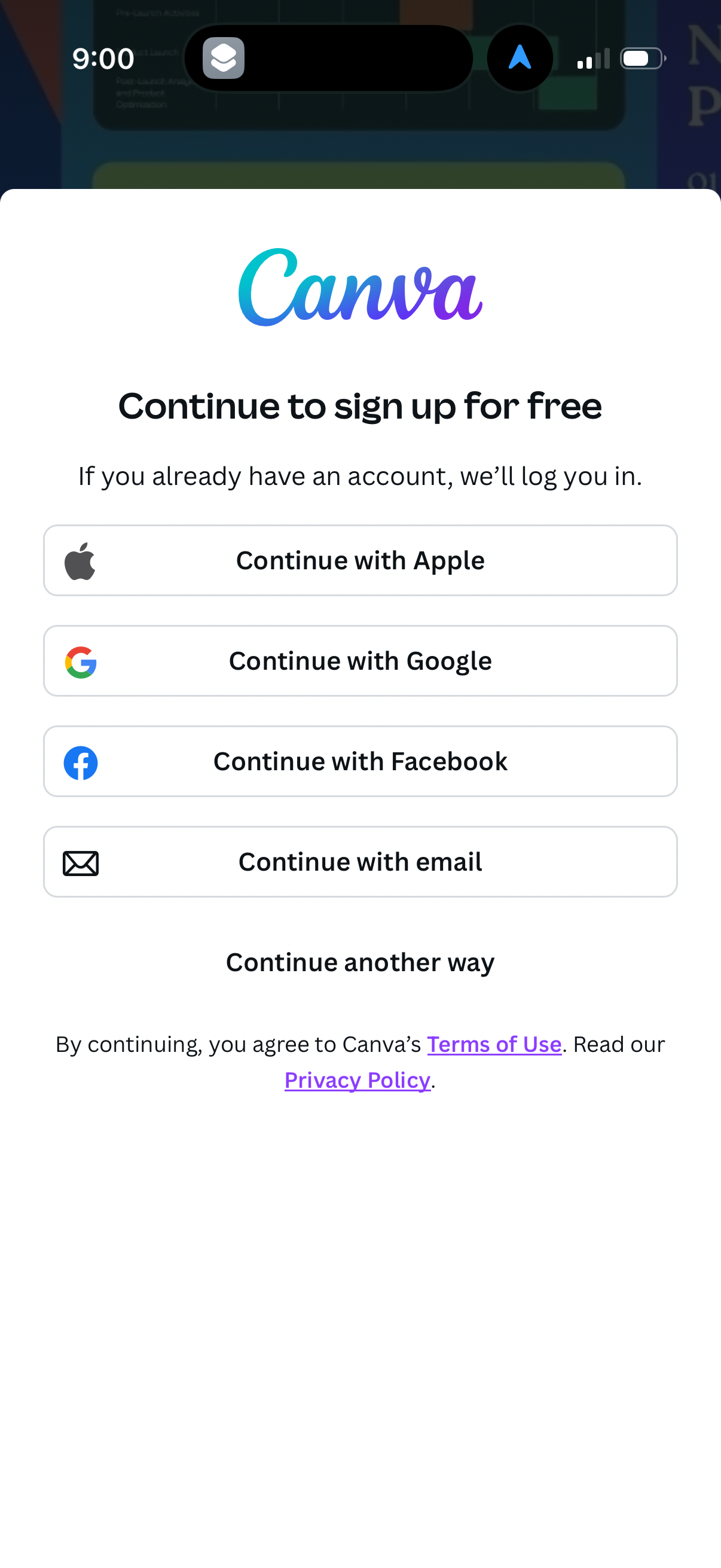
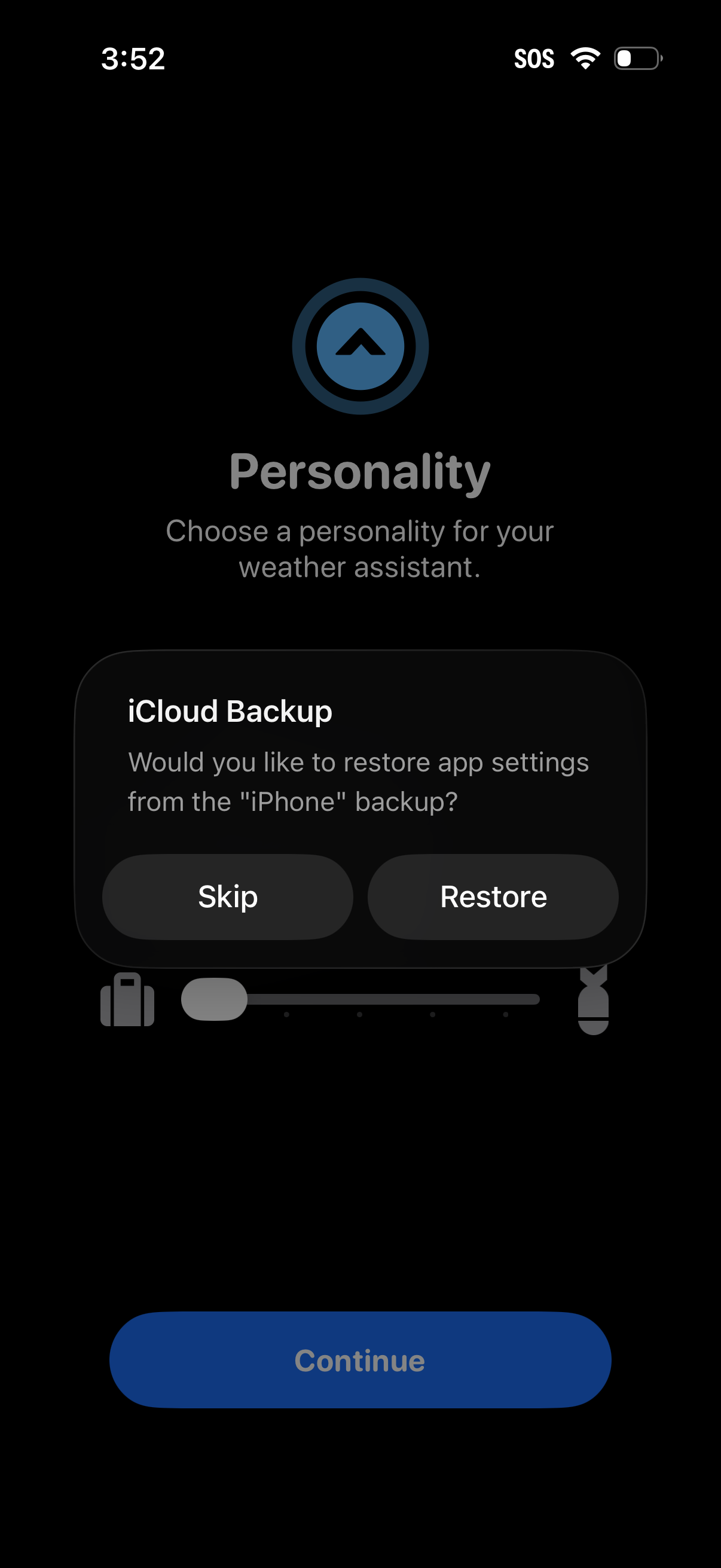
Across 42 apps with a described ATT/tracking screen in Lazyweb Research's corpus, 23 (55%) frame tracking as personalization — personalized ads, recommendations, or shopping — and 10 (24%) promise better deals, offers, or discounts [1]. 20 of 42 (48%) show a custom pre-ATT explainer screen before the native dialog, and 25 (60%) had the native ATT dialog itself captured [1]. Personalization is the dominant justification, with a value/deals angle layered on by roughly a quarter of apps.
55% of apps with an ATT prompt (23 of 42) frame tracking as personalization, and 48% show a custom explainer before the native dialog — Lazyweb Research, July 2026.
| Item | Apps |
|---|---|
| Native ATT dialog captured | 25 / 42 |
| Personalization framing | 23 / 42 |
| Custom pre-ATT explainer | 20 / 42 |
| Deals/offers/discounts framing | 10 / 42 |
| Cookie-style Accept/Reject (anecdote) | 2 / 42 |
The finding
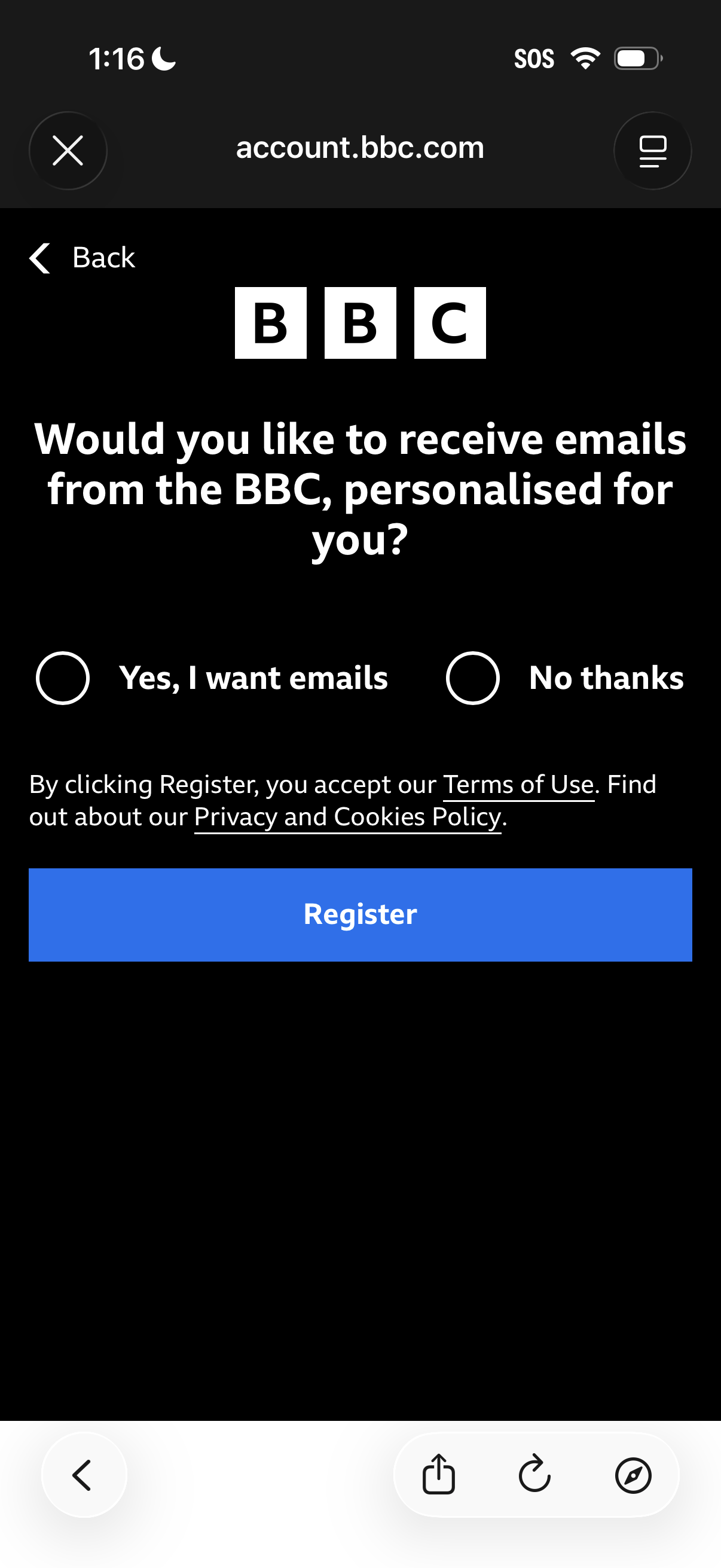
Among 42 ATT apps with vision descriptions: 25 (60%) show the native App Tracking Transparency dialog ('Ask App Not to Track' / 'Allow'); 23 (55%) frame tracking as personalization (personalized ads/recommendations/shopping); 10 (24%) promise deals, offers, or discounts; and 20 (48%) show a custom pre-ATT explainer screen [1]. Only 2 apps use cookie-style Accept All / Reject All consent — too small to generalize [1].
Wording pattern breakdown
| Pattern | Apps | Share |
|---|---|---|
| Native ATT dialog captured | 25 / 42 | 60% |
| Personalization framing | 23 / 42 | 55% |
| Custom pre-ATT explainer | 20 / 42 | 48% |
| Deals/offers/discounts framing | 10 / 42 | 24% |
| Cookie-style Accept/Reject (anecdote) | 2 / 42 | — |
Chewy runs a custom consent screen explaining tracking personalizes items/offers/ads before the native dialog; Back Market's explainer states iOS requires consent and frames tracking as best deals plus app-improvement analytics [2]. Wendy's is the cookie-style outlier with a Preference Center [2].
How to apply it
A custom explainer before the native ATT dialog is used by roughly half of apps (20 of 42) — it lets you frame the benefit in your own words before the OS strips you to 'Allow' / 'Ask App Not to Track' [1]. Personalization is the safe, dominant frame; the deals/offers angle (24%) is a sharper hook if your app has a commerce or savings component.
Caveats
Native-dialog capture is incidental, so '60% show the native dialog' understates true prevalence [1]. Cookie-style consent (2 apps) is anecdote-only — name Wendy's, do not generalize [2]. Framing shares describe observed copy via regexes, not measured opt-in rates.
The numbers
| Stat | Computed from |
|---|---|
| native dialog 25/42 (60%); personalization 23/42 (55%); explainer 20/42 (48%); deals 10/42 (24%); cookie-style 2/42 | att_wording_patterns: per-company bool_or of vision_description regexes over ATT screen set |
| 58 ATT canonical screens across 45 companies (42 with vision descriptions) | att_screens_inventory + qualitative: chewy, backmarket, wendys examples |
Sources & citations
- [1] Lazyweb Research analysis of 42 apps (ATT-with-descriptions set, 807-app corpus), July 2026. 58 ATT canonical screens across 45 companies; 42 have vision descriptions used for wording regexes. ↩
- [2] Lazyweb Research analysis of 45 apps (ATT inventory), July 2026. Named examples: Chewy and Back Market explainers; Wendy's cookie-style outlier (1 of 2). ↩
Source: Lazyweb Research — proprietary analysis of real, in-market app screens. Cite as Lazyweb Research, 2026-07-07.