What Percentage of Apps Show a Custom Explainer Before the Native ATT Dialog?
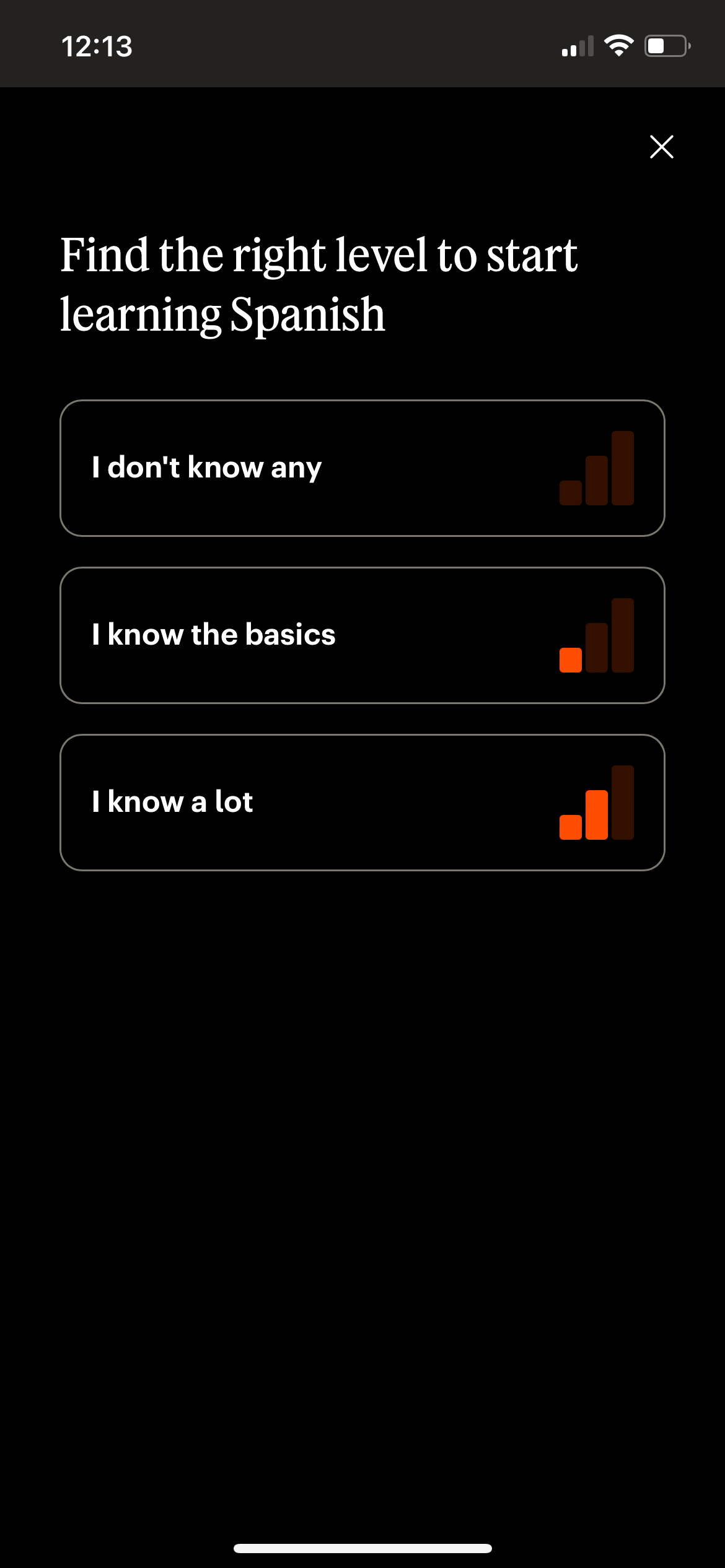
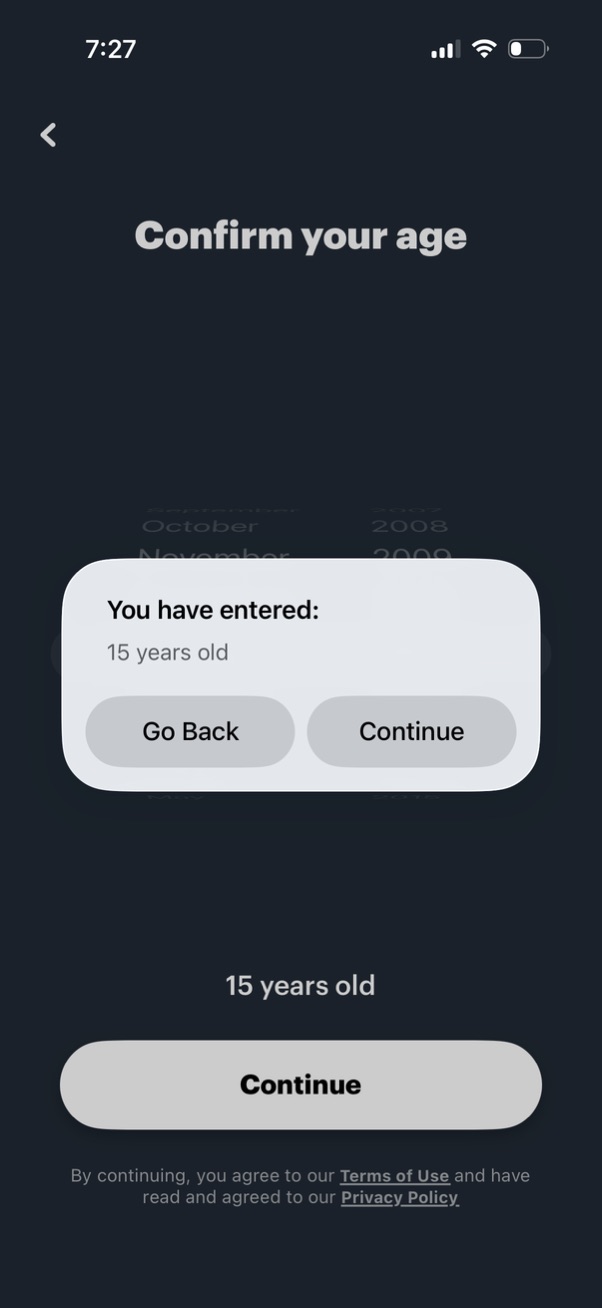
Across 42 apps with a described ATT screen in Lazyweb Research's corpus, 20 (48%) show a custom pre-ATT explainer screen before the native App Tracking Transparency dialog [1]. Roughly half of ATT-asking apps pre-frame the request in their own words rather than firing the OS dialog cold. The explainer is your only chance to state the benefit before iOS reduces the choice to 'Allow' or 'Ask App Not to Track.'
48% of apps with an ATT prompt (20 of 42) show a custom explainer before the native tracking dialog — Lazyweb Research, July 2026.
The finding
Of 42 ATT apps with descriptions, 20 (48%) present a custom explainer screen ahead of the native ATT dialog, and 25 (60%) had the native dialog itself captured [1]. The explainer typically states why tracking helps — personalization or deals — before the user hits the unskippable OS prompt.
Named explainer examples
| App | Explainer approach |
|---|---|
| Chewy [2] | Onboarding consent screen: tracking personalizes items/offers/ads, preferences changeable in settings, then native dialog |
| Back Market [2] | States iOS requires consent; frames tracking as best deals + app-improvement analytics + relevant ads; single continue CTA before native dialog |
There is also an experiment signal: Alibaba was observed testing a plain dark tracking dialog against one with an added brand logo, header, and tagline above it — an inferred attempt to reduce perceived risk (observed change, inferred rationale only) [3].
How to apply it
If ATT matters to your monetization, build the explainer — you are joining the ~half of ATT apps that pre-frame [1]. State a specific, believable benefit and reassure the user that preferences are reversible in settings (Chewy's pattern). Keep it to a single continue CTA into the native dialog (Back Market's pattern) [2].
Caveats
Based on 42 apps with descriptions; explainer detection is regex-based over captured copy [1]. Native-dialog capture is incidental, so the 60% figure understates true prevalence. The Alibaba experiment is a detected before/after diff with LLM-inferred rationale — never read it as measured lift [3].
The numbers
| Stat | Computed from |
|---|---|
| custom explainer 20/42 (48%); native dialog captured 25/42 (60%) | att_wording_patterns: per-company bool_or of explainer and native-dialog regexes over ATT screen set |
| Named examples: Chewy, Back Market pre-ATT explainers | qualitative: chewy, backmarket ATT pre-prompt explainer |
| Alibaba detected experiment: plain dark dialog vs added brand logo/header/tagline | qualitative: alibaba ATT experiment (observed change, inferred rationale) |
Sources & citations
- [1] Lazyweb Research analysis of 42 apps (ATT-with-descriptions set, 807-app corpus), July 2026. Explainer and native-dialog detection via vision-description regexes; capture incidental. ↩
- [2] Lazyweb Research qualitative review (807-app corpus), July 2026. Chewy and Back Market cited as named explainer examples. ↩
- [3] Lazyweb Research detected-experiment review (4,814 detected experiments), July 2026. Alibaba diff cited as observed change with inferred rationale, not measured lift. ↩
Source: Lazyweb Research — proprietary analysis of real, in-market app screens. Cite as Lazyweb Research, 2026-07-07.