In-product upsell and feature-gating placement
16 data-backed questions on In-product upsell and feature-gating placement, from Lazyweb Research — each answer cites proprietary analysis of real, in-market app screens.
Where do freemium apps place upgrade prompts inside the product?
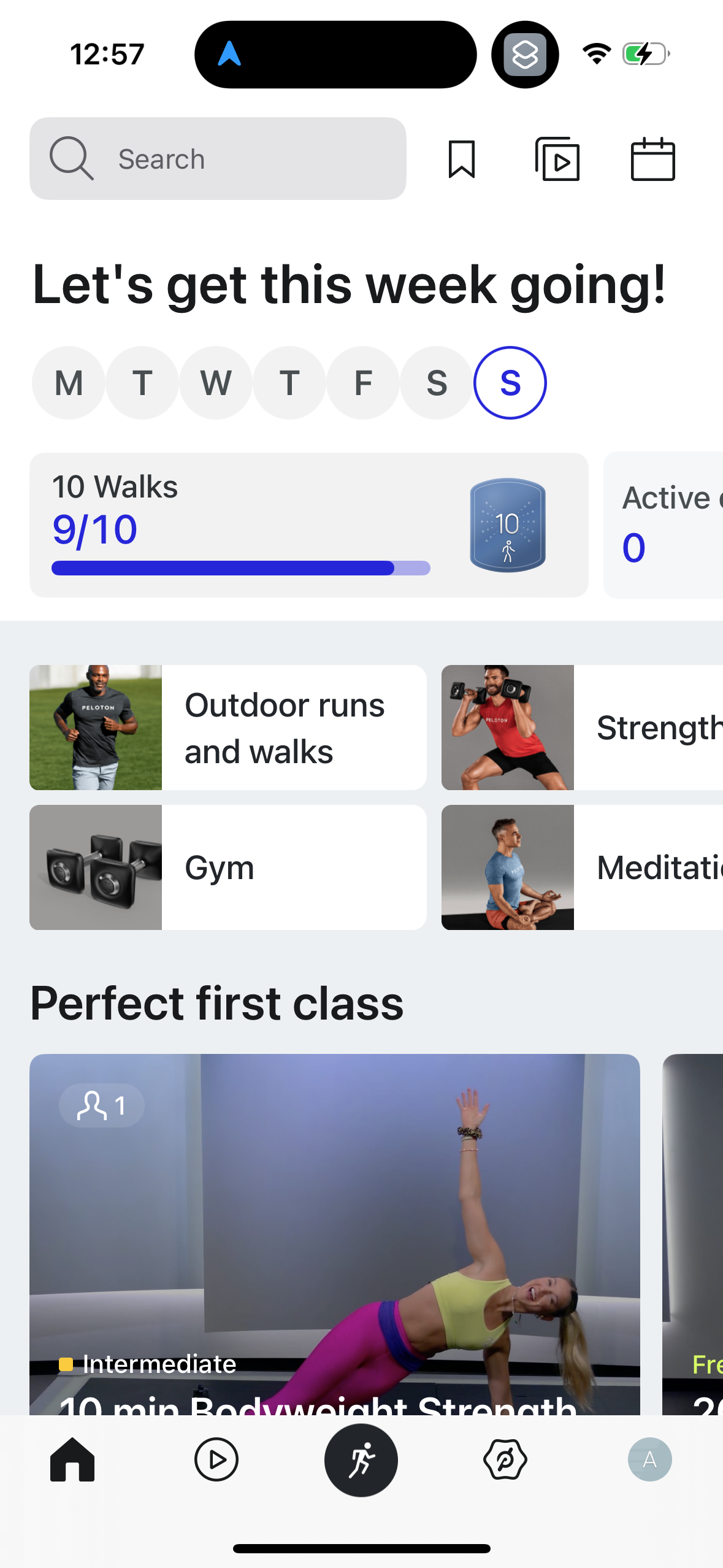
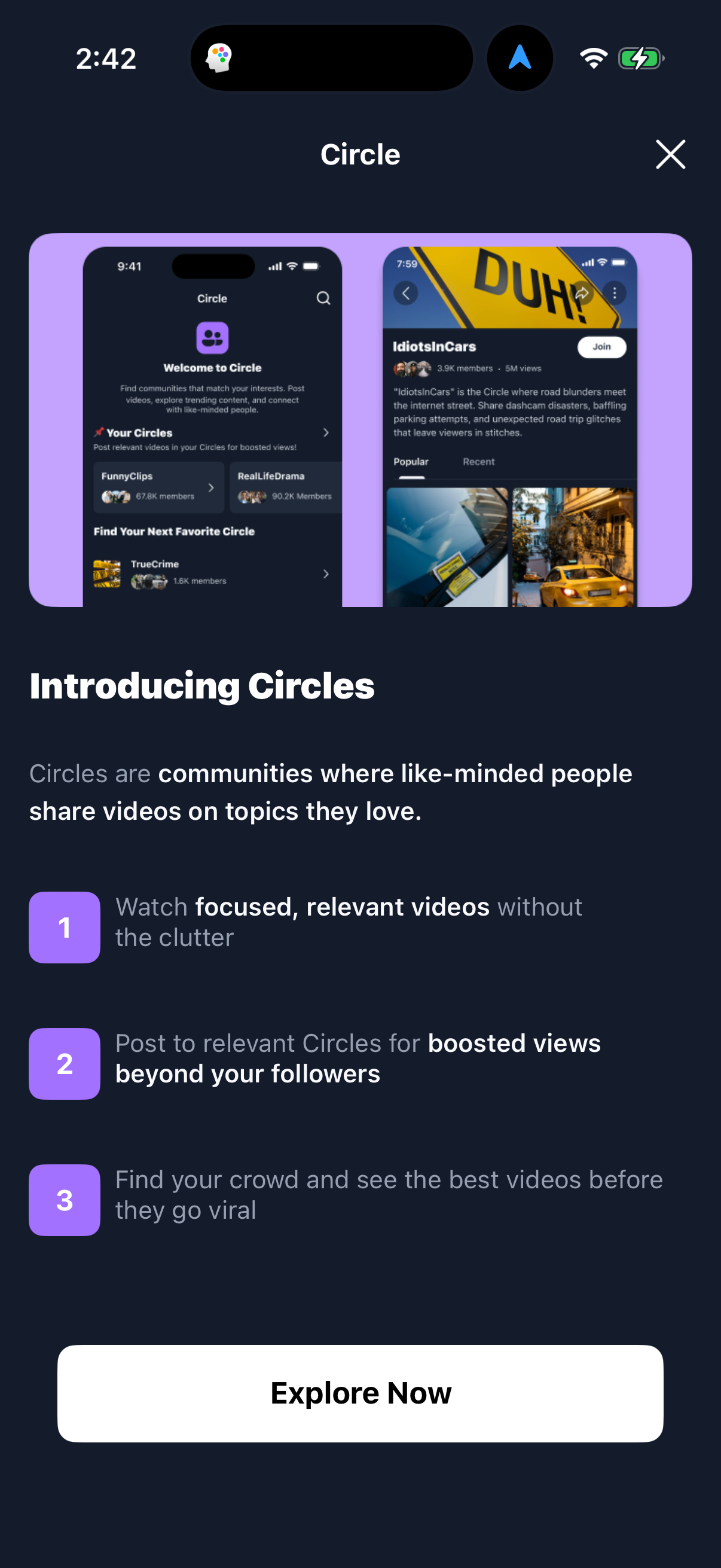
Across 809 tracked mobile apps, the most common in-product upgrade placement is an upgrade banner or prompt, present in 34% (271/809) of apps.[1] A premium/pro badge on a gated feature (22%, 176/809)…
 Read page TLDR
Lock icons, blurred previews, or usage limits: how do apps gate features?
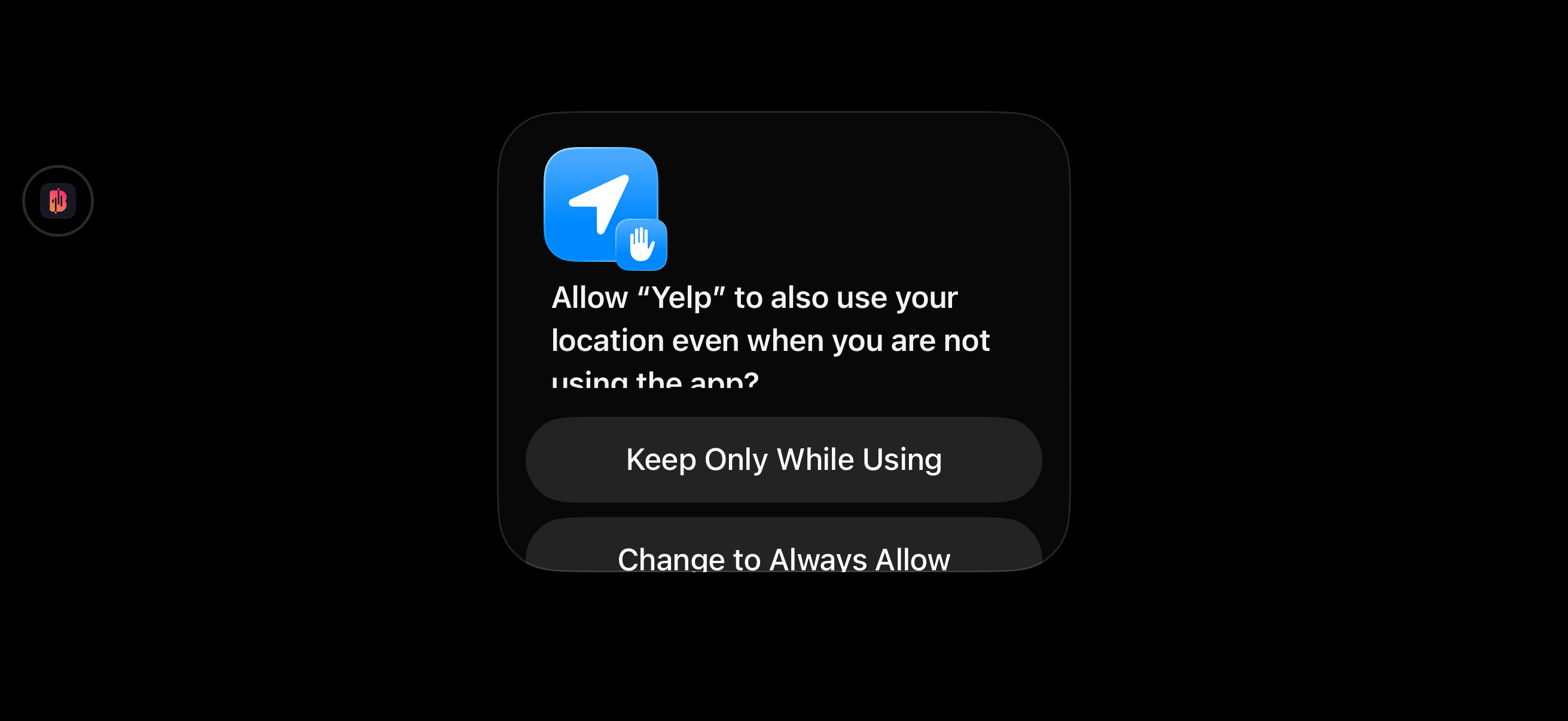
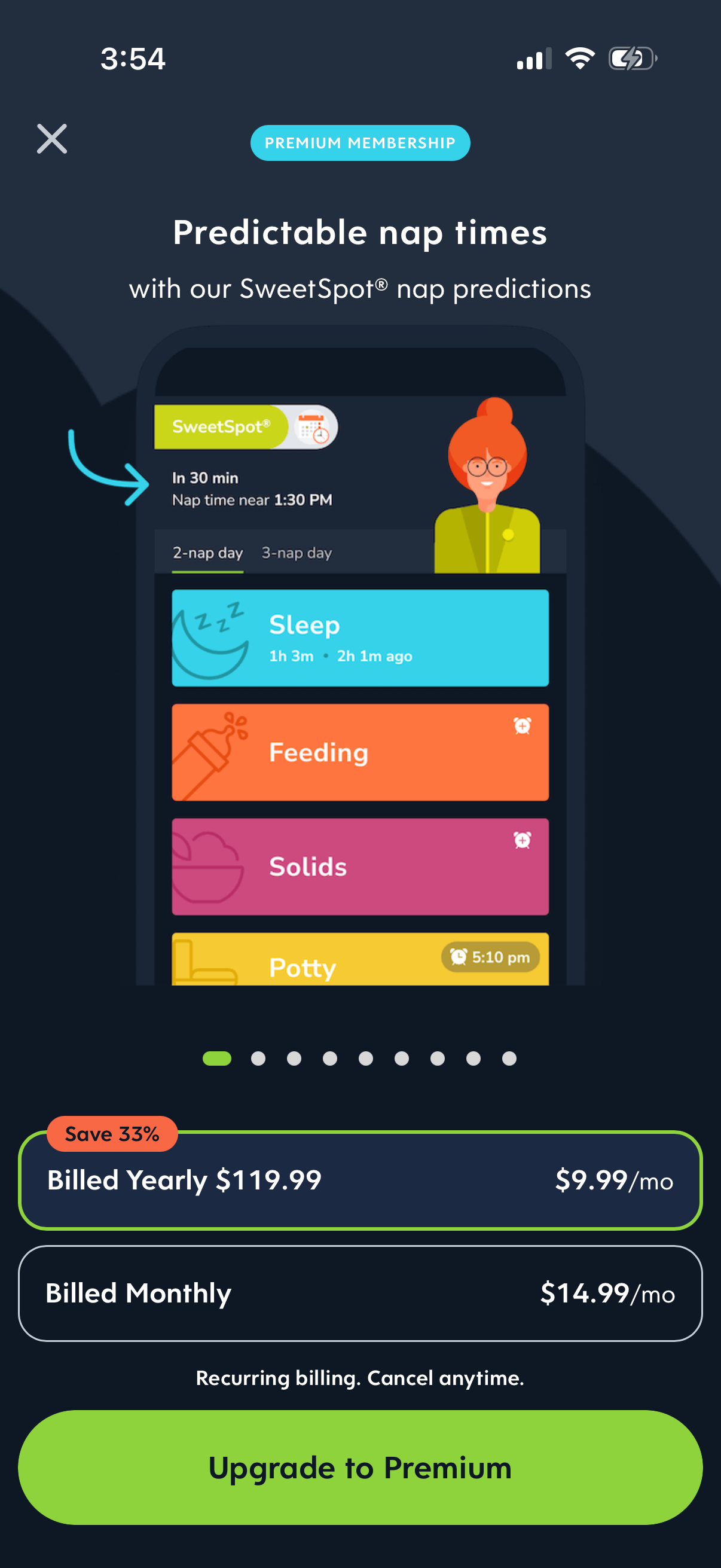
Lock-icon gating is the most common of these three, used by 12% of 809 tracked apps (94/809), versus 5% for usage-meter/limit gating (44/809).[1] Blurred-preview gating is effectively unmeasurable —…
 Read page TLDR
What percent of settings screens surface the upgrade entry point?
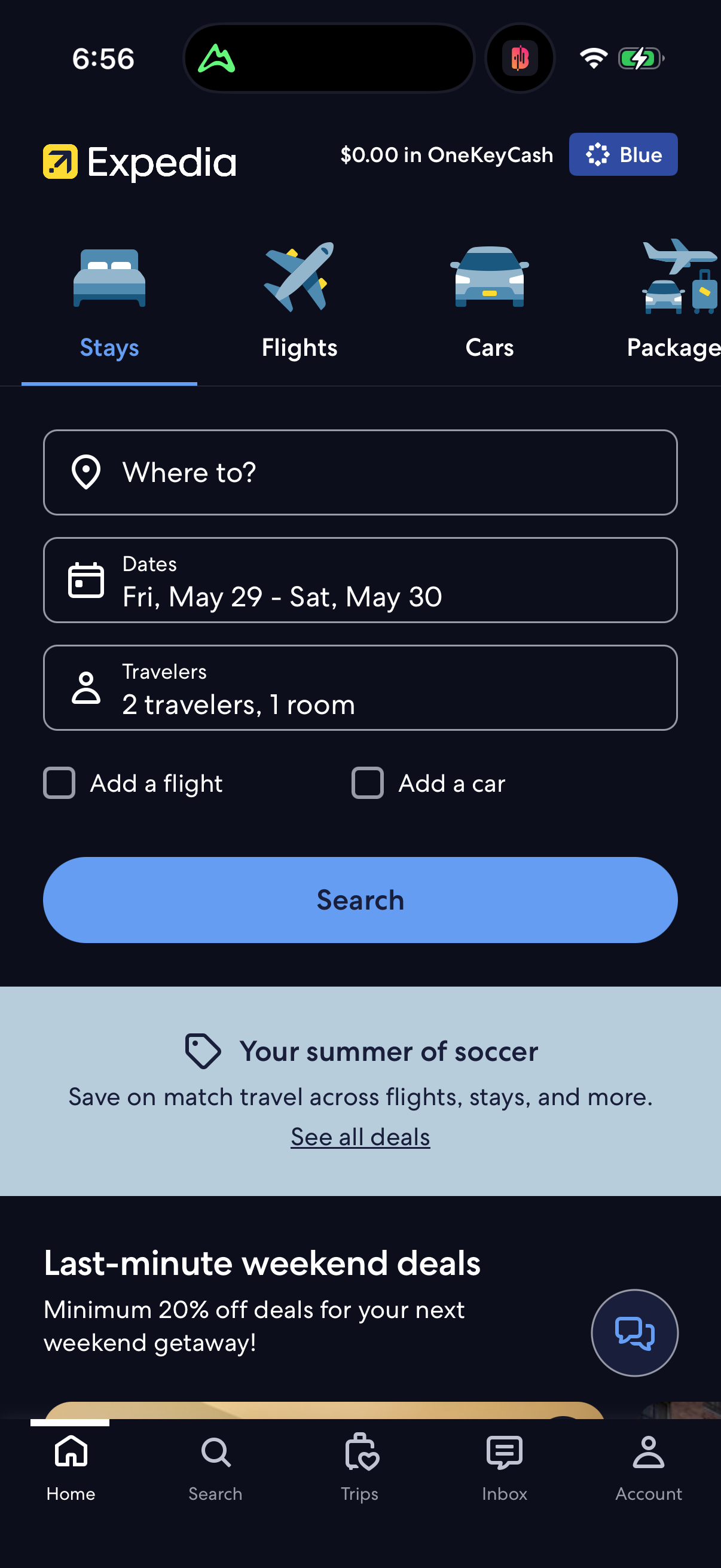
Among the 321 tracked apps that have a captured settings/account/profile screen, 35% (112) surface an upgrade, premium, subscribe, or unlock entry point on that surface.[3] That makes settings one of…
 Read page TLDR
How aggressive are subscription apps with in-product upsells?
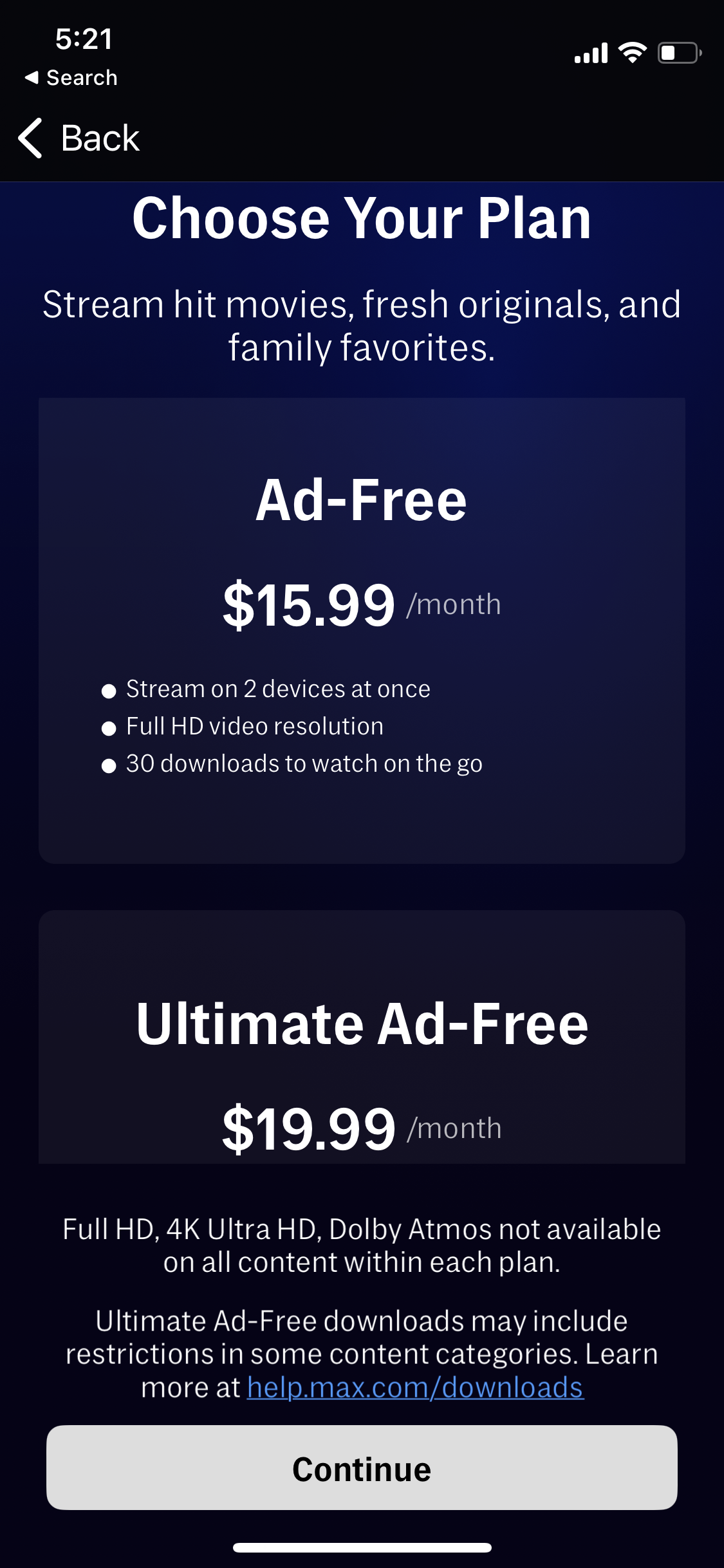
Subscription-model apps are the most upsell-heavy cohort: 56% (232/417) run an in-product upgrade banner or prompt, versus 43% of advertising-model apps (75/176) and just 15% of cross-subsidized-funn…
 Read page TLDR
Do advertising-model apps upsell differently than subscription apps?
Yes. Advertising-model apps run in-product upgrade banners less often than subscription apps — 43% (75/176) vs 56% (232/417) — and lean less on hard gating (26% unlock CTA, 16% lock gating vs 32% and…
 Read page TLDR
Should I use a usage meter or a hard lock to gate a feature?
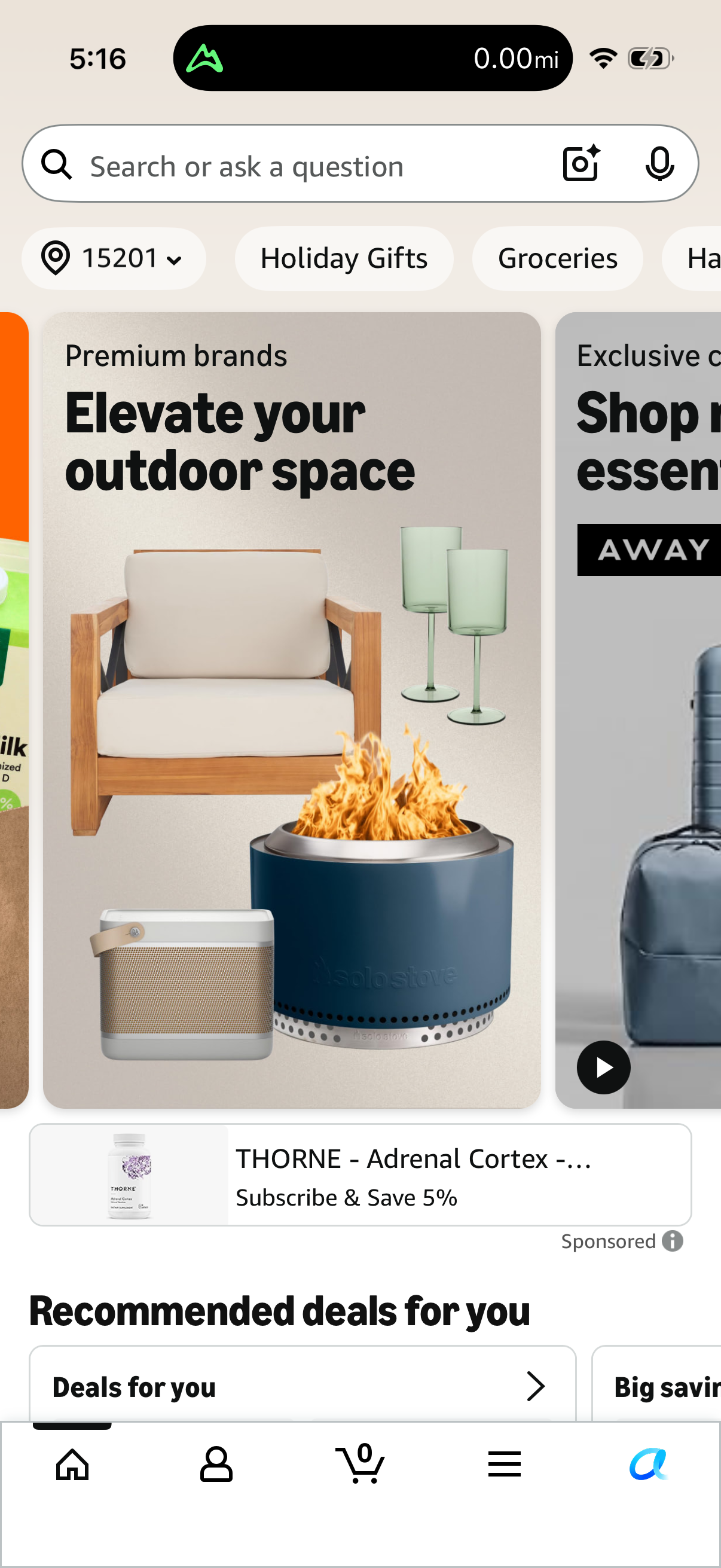
The market strongly favors hard locks: lock-icon gating appears in 12% of 809 apps (94/809) and unlock CTAs in 20% (159/809), while usage-meter/limit gating is used by only 5% (44/809).[1] Usage gati…
 Read page TLDR
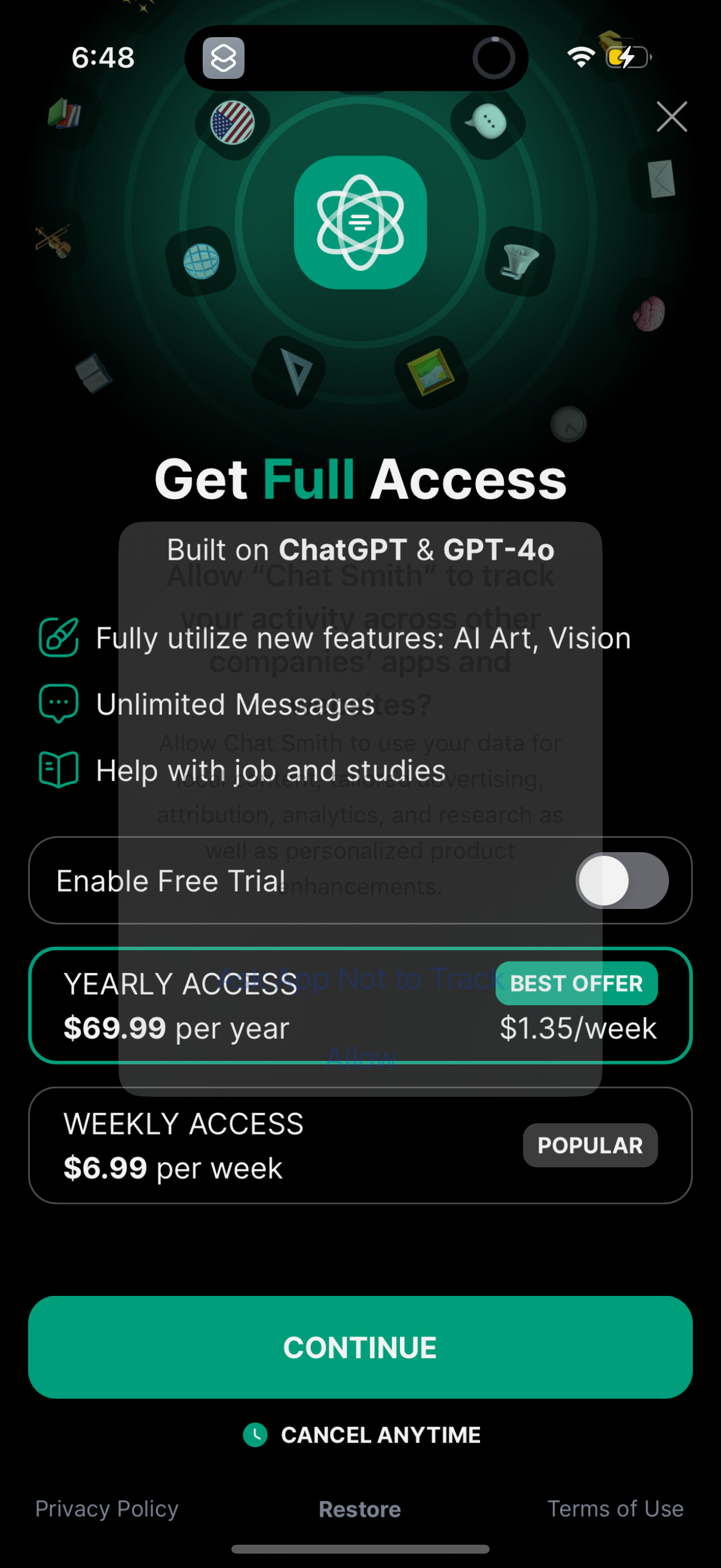
Are blurred-preview paywalls actually a common gating pattern?
No. Across 809 tracked apps, a tightened blurred-premium-preview pattern matched just 1 app / 3 screenshots — not enough to publish a prevalence.[1] Raw %blur% matching is almost entirely loading-ove…
 Read page TLDR
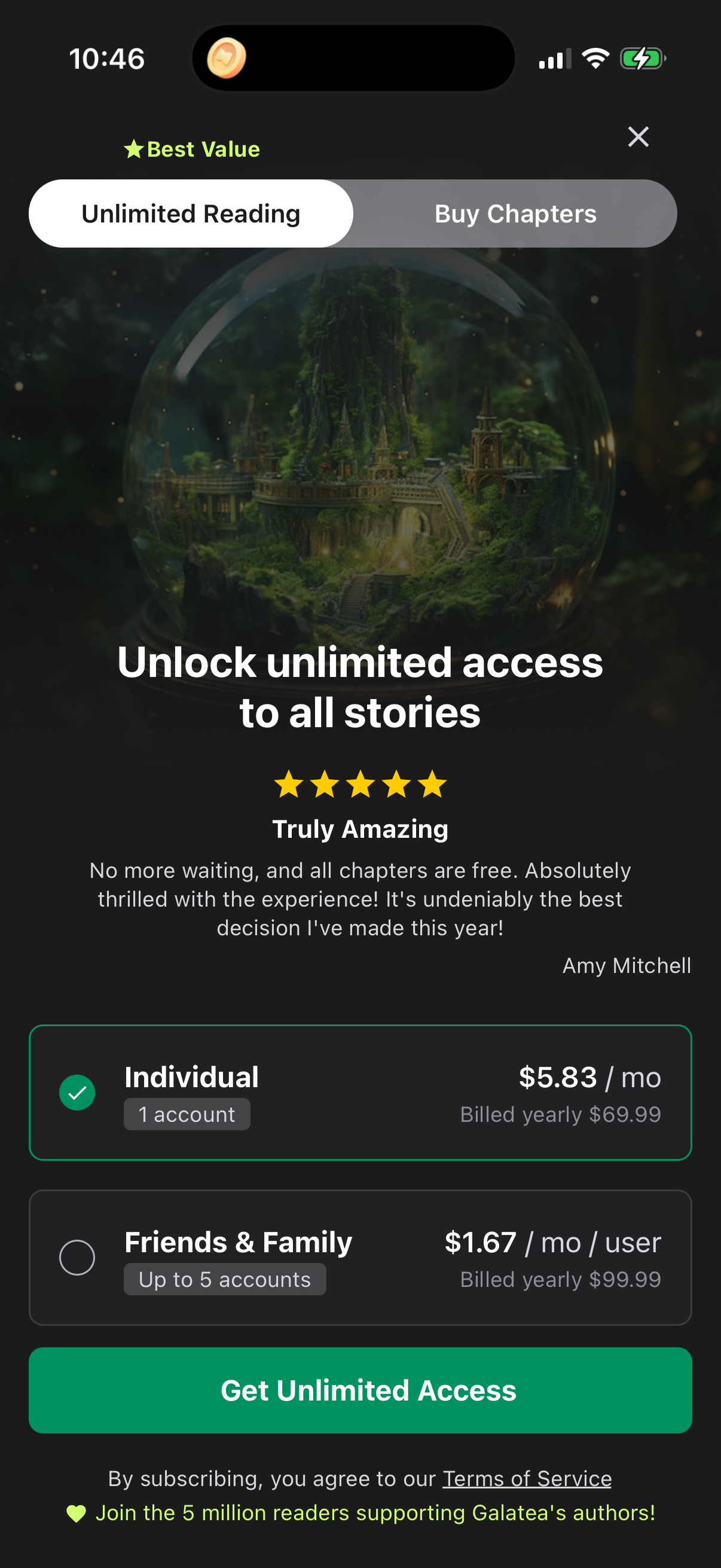
Premium badge or unlock CTA: which pattern do more apps use to signal a gated feature?
Premium/pro badges are slightly more common than unlock CTAs: 22% of 809 apps (176/809) put a premium or pro badge on a gated feature, versus 20% (159/809) that use an explicit 'unlock' CTA.[1] Both…
 Read page TLDR
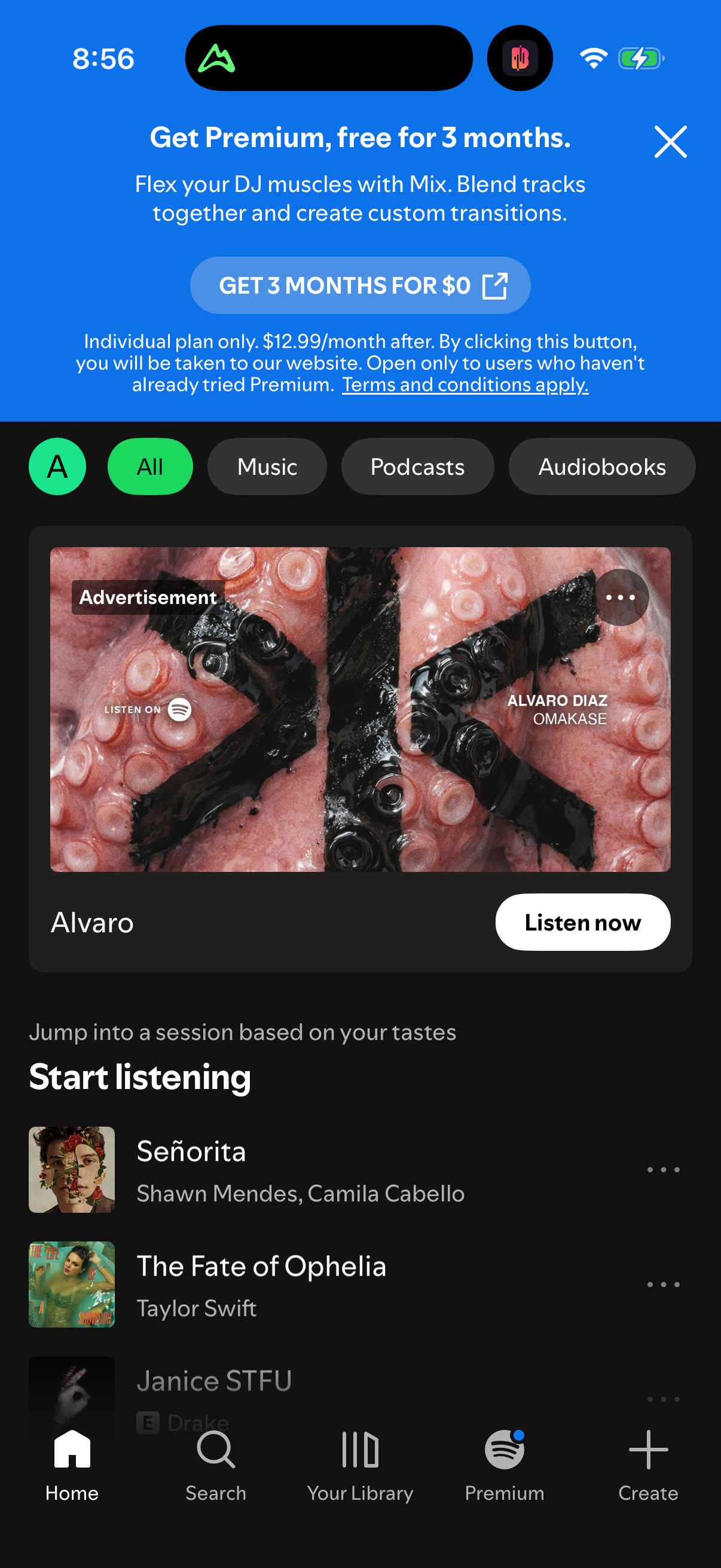
How common is a dedicated in-product upsell banner or card?
A dedicated upsell/promotional/subscription banner or card appears in 9% of 809 tracked apps (71/809) — much rarer than the broader 'upgrade banner/prompt' pattern at 34% (271/809).[1] The gap tells…
 Read page TLDR
How common are checkout-upsell (order-bump) screens in mobile apps?
Checkout-upsell screens are rare in the mobile corpus: only 70 canonical screens across 23,407 are categorized as 'checkout upsell'.[3] By comparison, cancel-subscription screens — where retention sa…
 Read page TLDR
Where do retention save-offers and downgrade upsells appear?
The cancellation flow is the concentrated surface: 332 of 23,407 canonical mobile screens are categorized as cancel-subscription screens, where save-offers and downgrade upsells appear.[3] That's nea…
 Read page TLDR
Where do web apps place in-product upsells?
In the web corpus, 82% of labeled product screens are in-product (9,645/11,753), and the two largest in-product surfaces are settings (1,351 screens) and dashboard (1,088) — both fully in-product.[4]…
 Read page TLDR
How often do apps experiment on in-product upsell and gating?
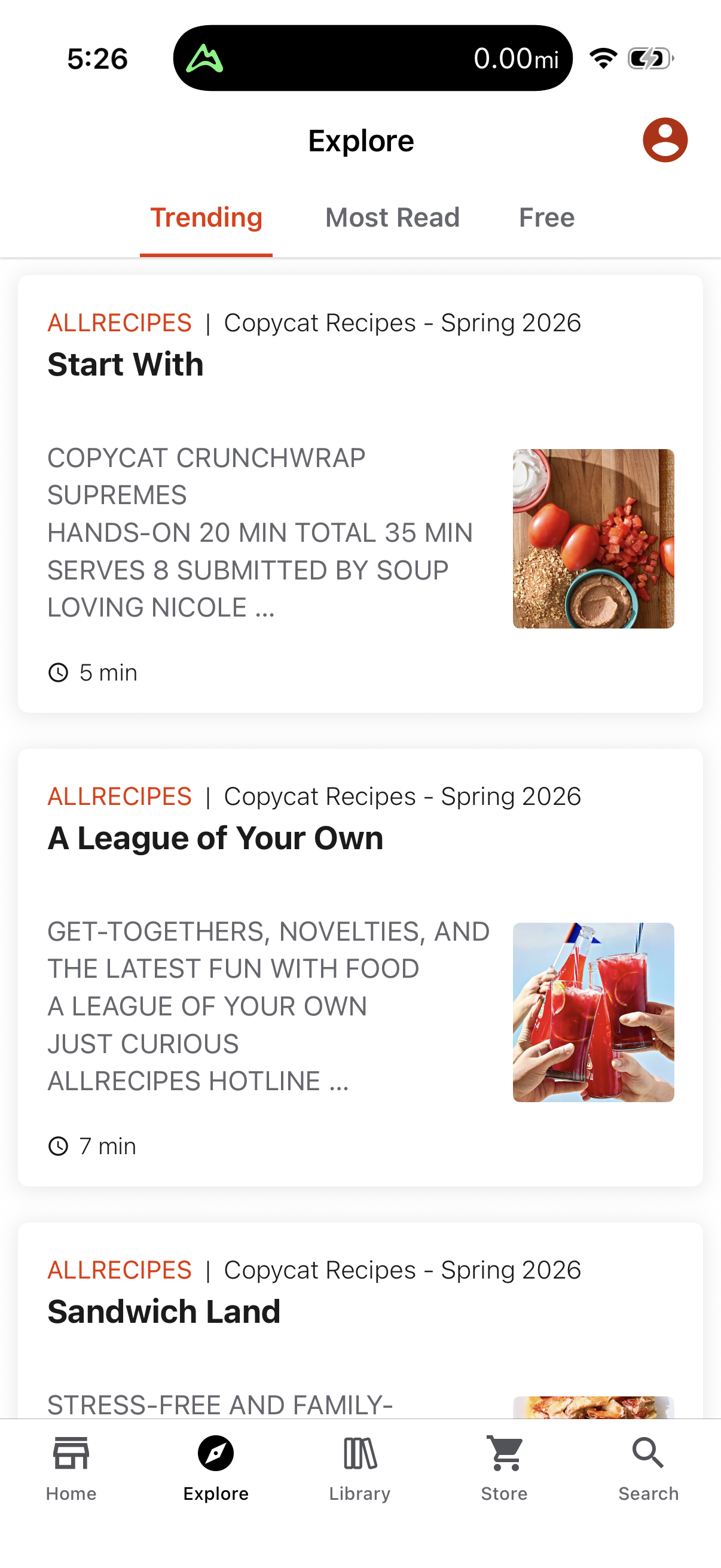
Gating and upsell are a heavily-tested area: 622 of 4,814 detected UI experiments (13%) touch in-product upsell/gating vocabulary — unlock, locked, feature gate, upsell, upgrade, premium, usage limit…
 Read page TLDR
How do apps frame single-feature utility gates (pay to unlock just this)?
Single-feature gates isolate one feature behind an unlock/Continue CTA and are best understood through observed experiments rather than a single prevalence number: unlock CTAs overall appear in 20% o…
 Read page TLDR