How common is a dedicated in-product upsell banner or card?
A dedicated upsell/promotional/subscription banner or card appears in 9% of 809 tracked apps (71/809) — much rarer than the broader 'upgrade banner/prompt' pattern at 34% (271/809).[1] The gap tells you most upgrade prompts are woven into existing surfaces (feed, feature, settings) rather than built as a standalone promo unit. Reserve a dedicated card for a specific campaign, not as your everyday upsell.
Only 9% of apps (71/809) run a dedicated in-product upsell banner or card — Lazyweb Research, July 2026.
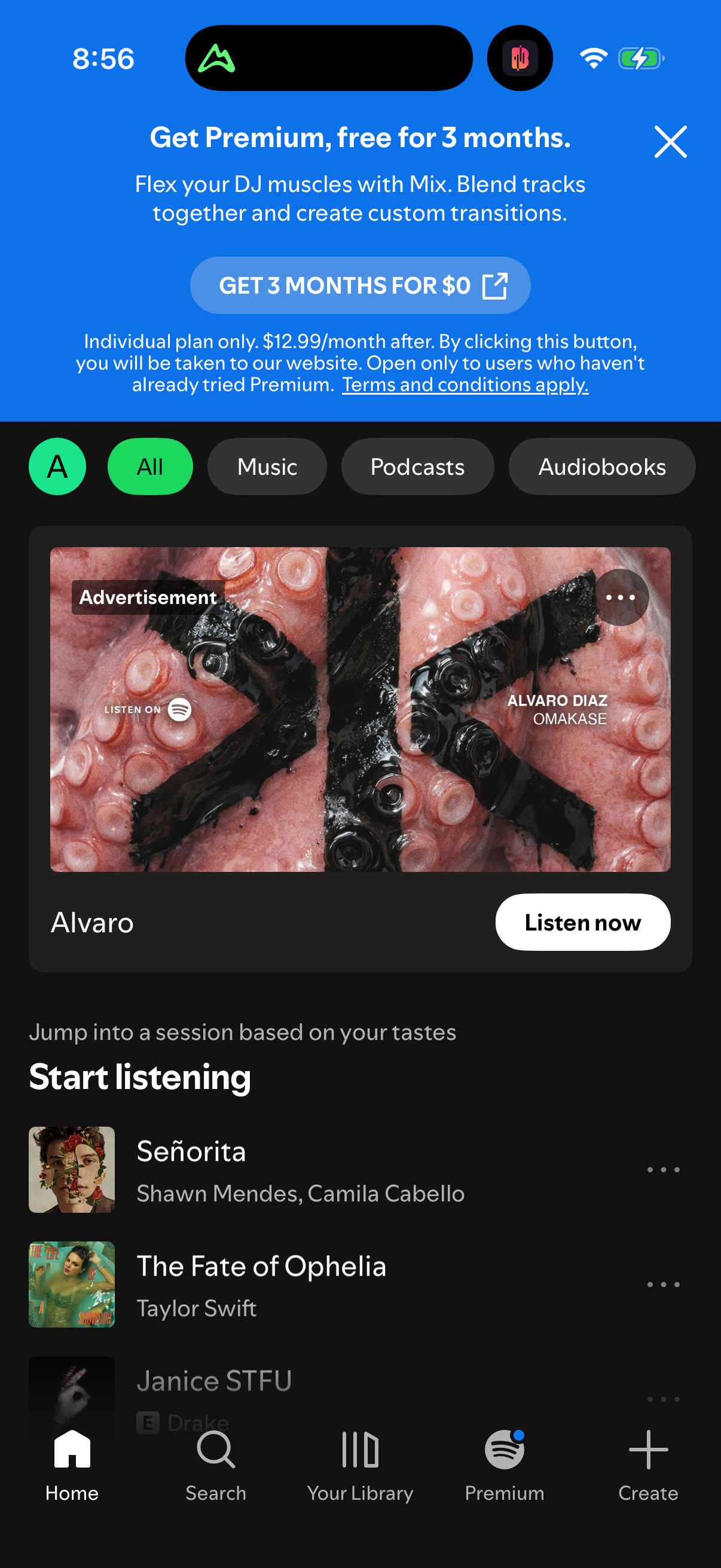
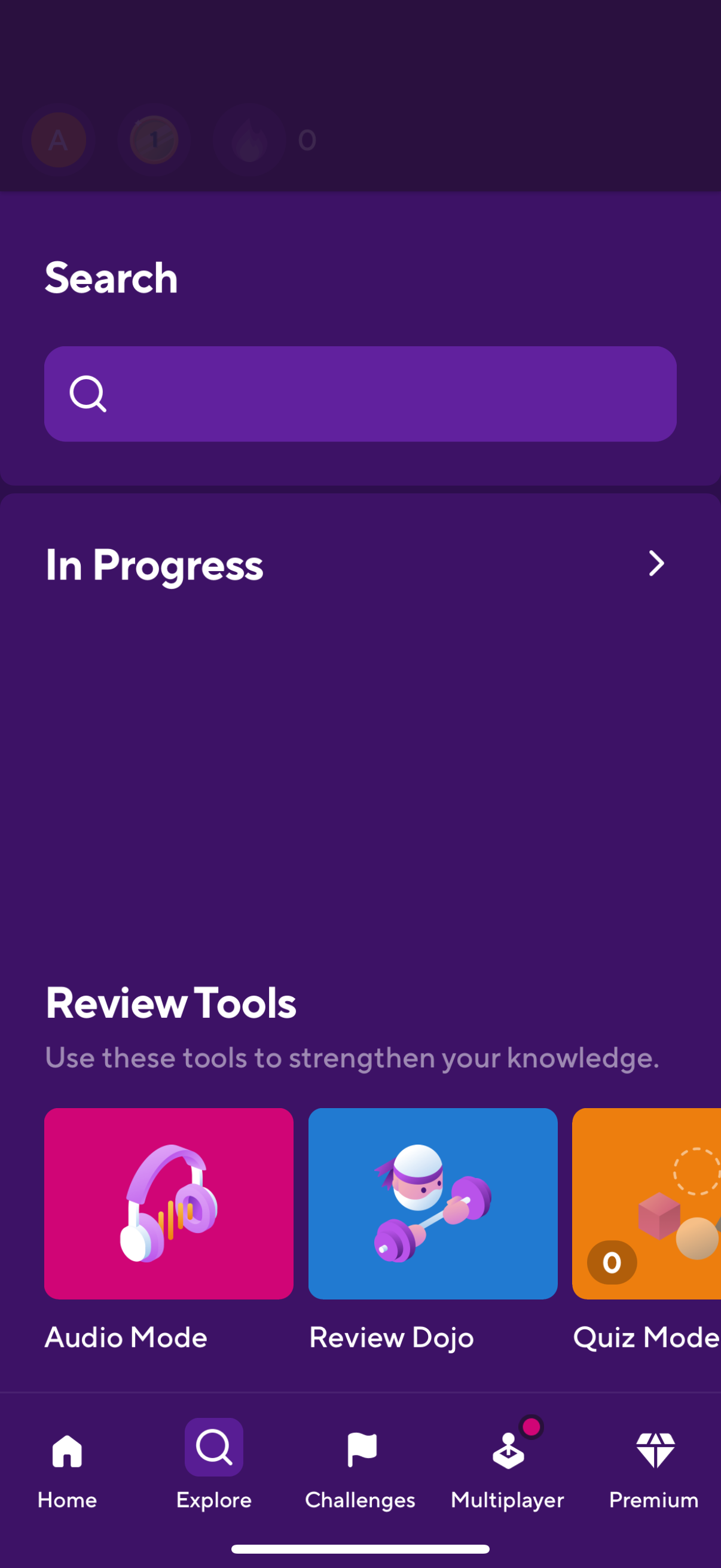
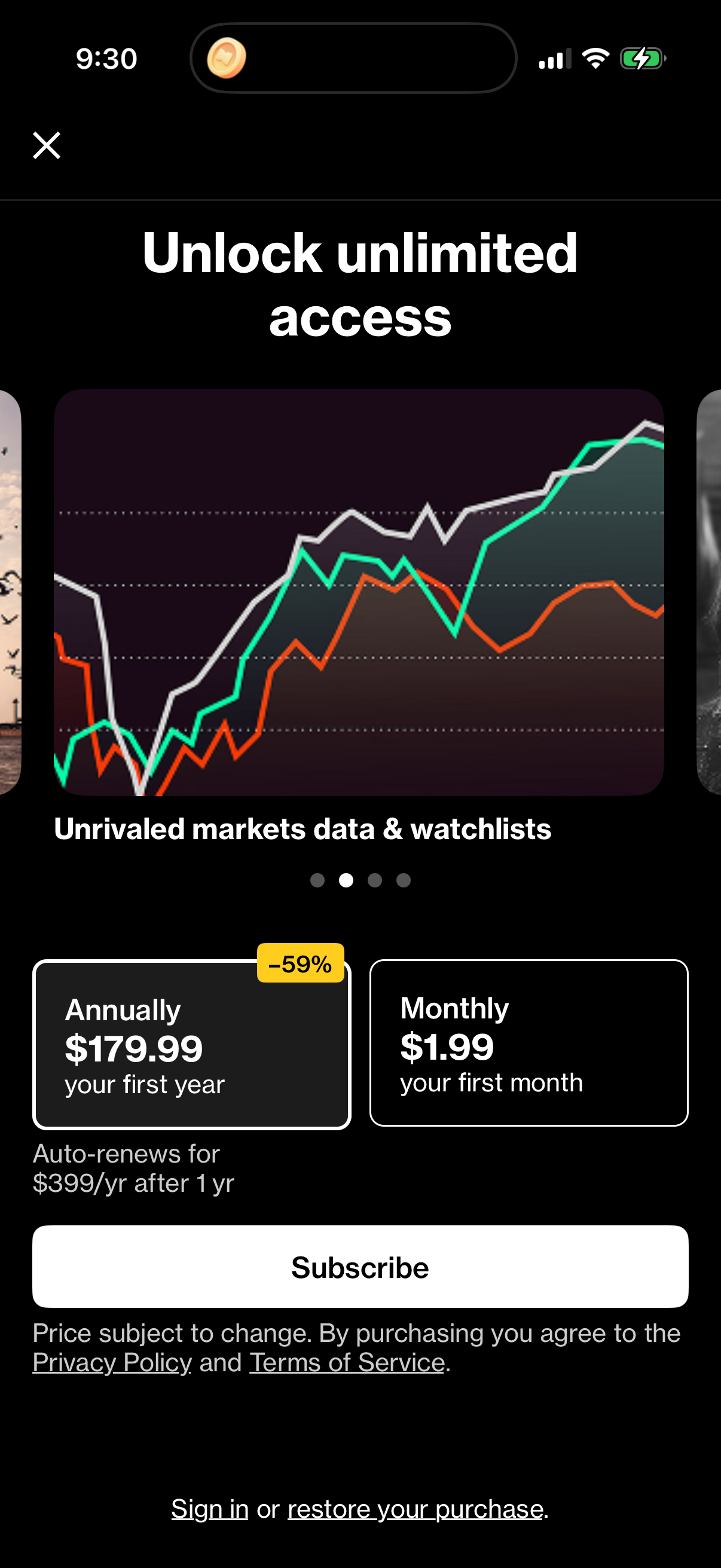
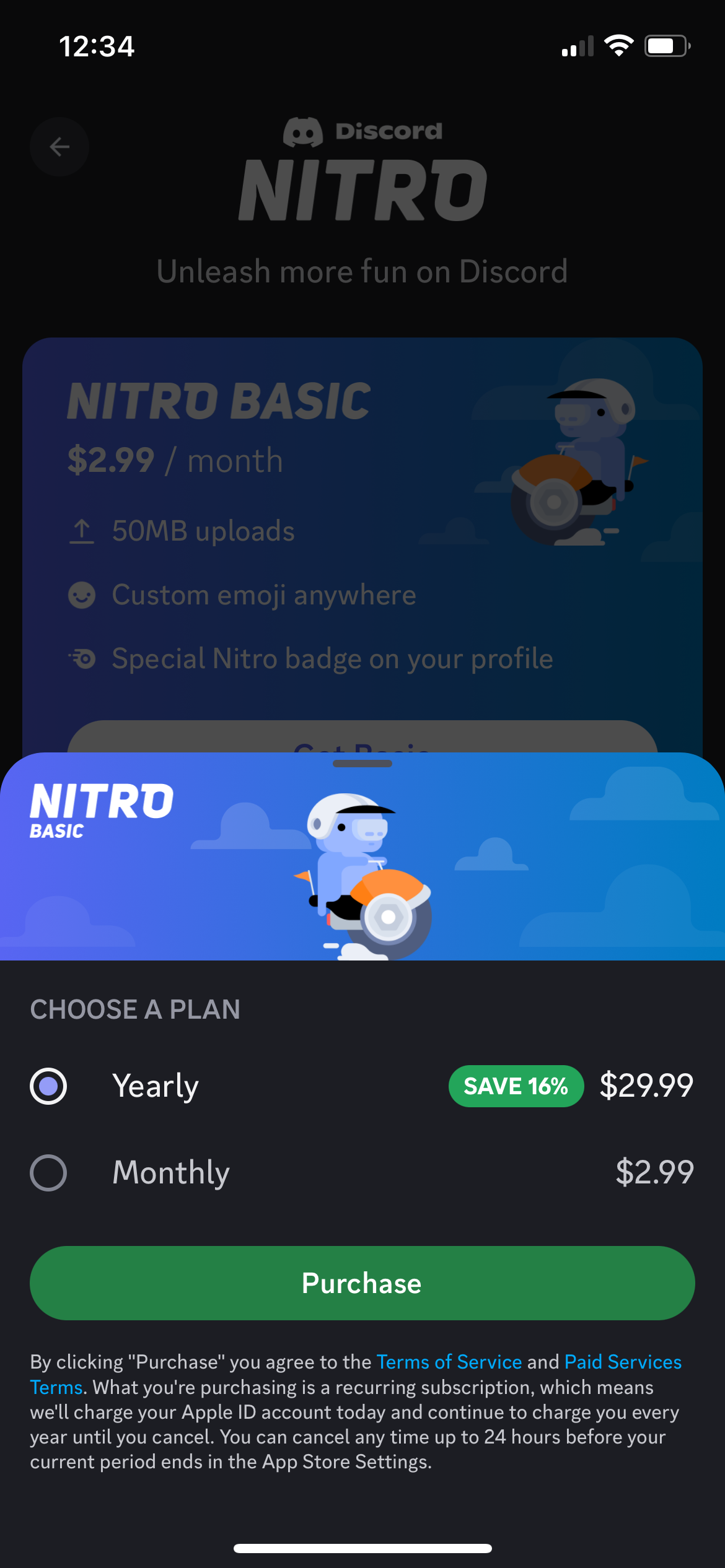
Finding: standalone promo units are the exception
Two related-but-distinct patterns:[1]
| Pattern | Apps | Share | Screenshots |
|---|---|---|---|
| Any upgrade banner / prompt | 271 | 34% | 2,531 |
| Dedicated upsell / promo / subscription card | 71 | 9% | 435 |
The 34% figure includes inline prompts embedded in other surfaces; the 9% figure isolates purpose-built promotional banners/cards. So while a third of apps prompt upgrades in-product, fewer than one in ten dedicate a distinct banner unit to it.
How to apply
Default to embedding upgrade prompts in surfaces users already visit — that's what the 34% mostly do. Build a dedicated upsell card when you have a concrete offer to merchandise (a trial, a seasonal discount, a new premium feature) and want a reusable slot for it. Treat it as a campaign container, not permanent chrome, so it doesn't become banner blindness.
Caveats
'Any upgrade banner/prompt' (271) and 'dedicated upsell card' (71) use overlapping but tightened tag sets and are both company-deduped lower bounds.[1] An app can appear in both. Screenshot counts (2,531 vs 435) indicate how often the pattern is captured, not conversion.
The numbers
| Stat | Computed from |
|---|---|
| 9% (71/809), 435 screenshots | in_product_upsell_banner_card_prevalence: 71/809 |
| 34% (271/809), 2,531 screenshots | upgrade_banner_prompt_prevalence: 271/809 |
Sources & citations
- [1] Lazyweb Research analysis of 809 apps (tracked mobile app corpus with screenshots), July 2026. Prevalence deduped by COUNT(DISTINCT company_name) over 44,873 tagged screenshots; tag patterns are LLM synonym phrases (tightened after spot-checking) so every stat is a lower bound. ↩
Source: Lazyweb Research — proprietary analysis of real, in-market app screens. Cite as Lazyweb Research, 2026-07-07.