How common is a dedicated cold-start (first-run) screen, and which apps use one?
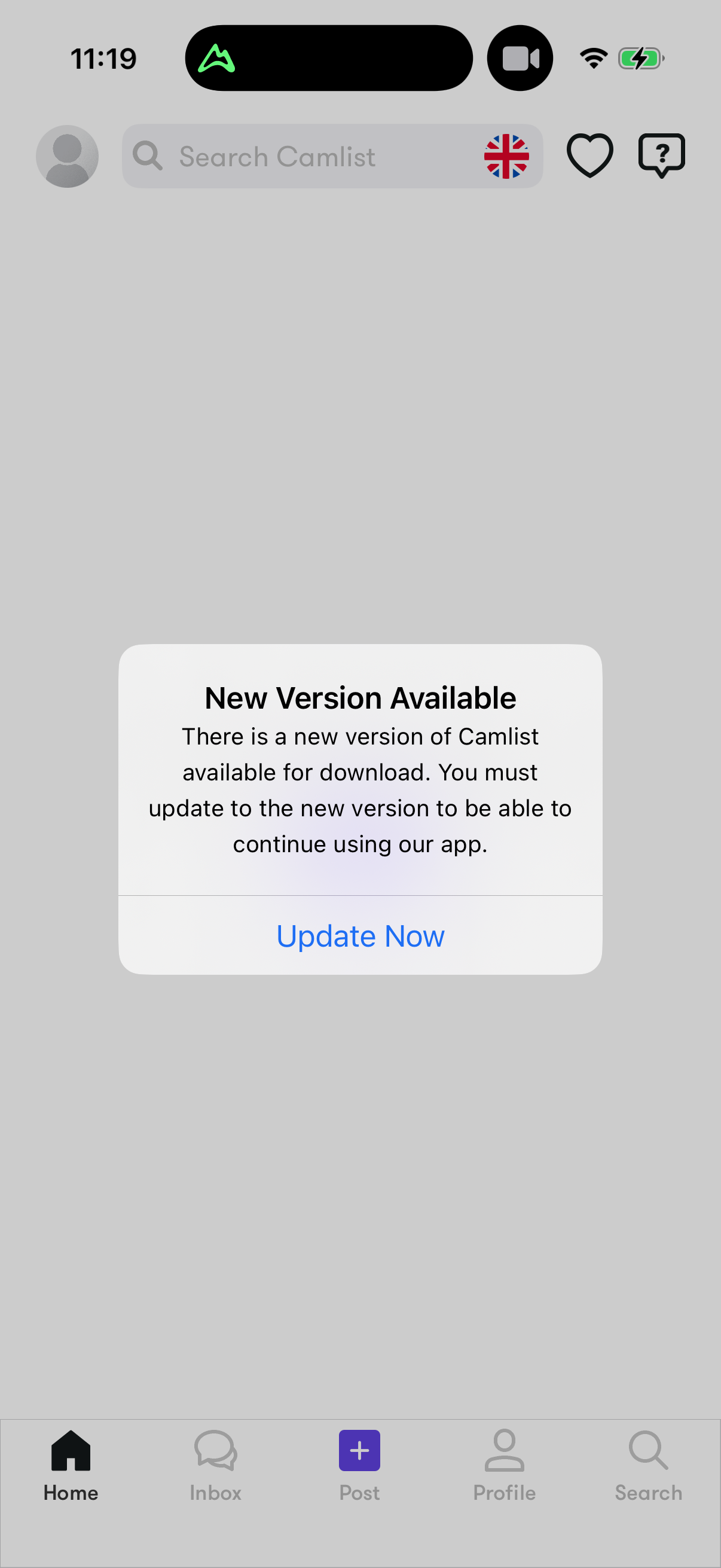
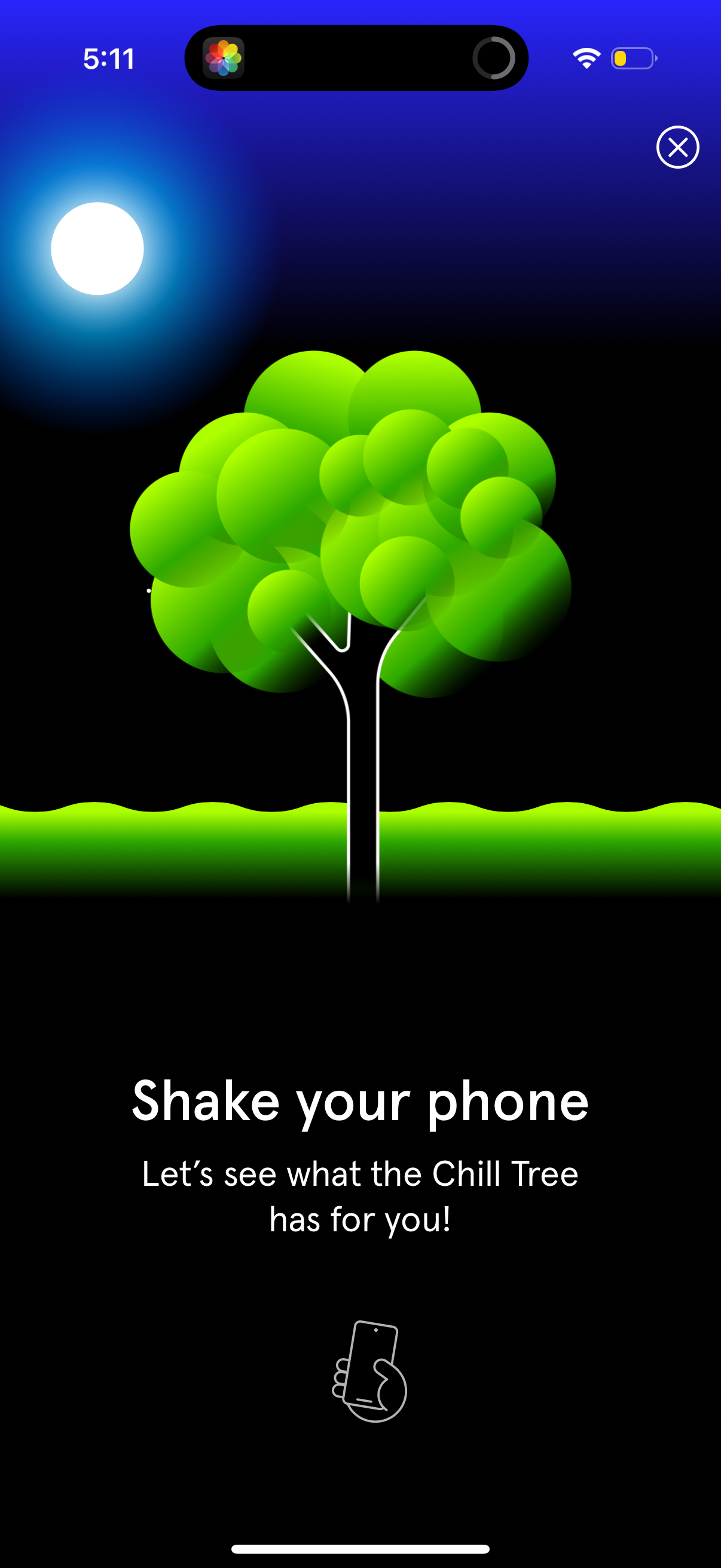
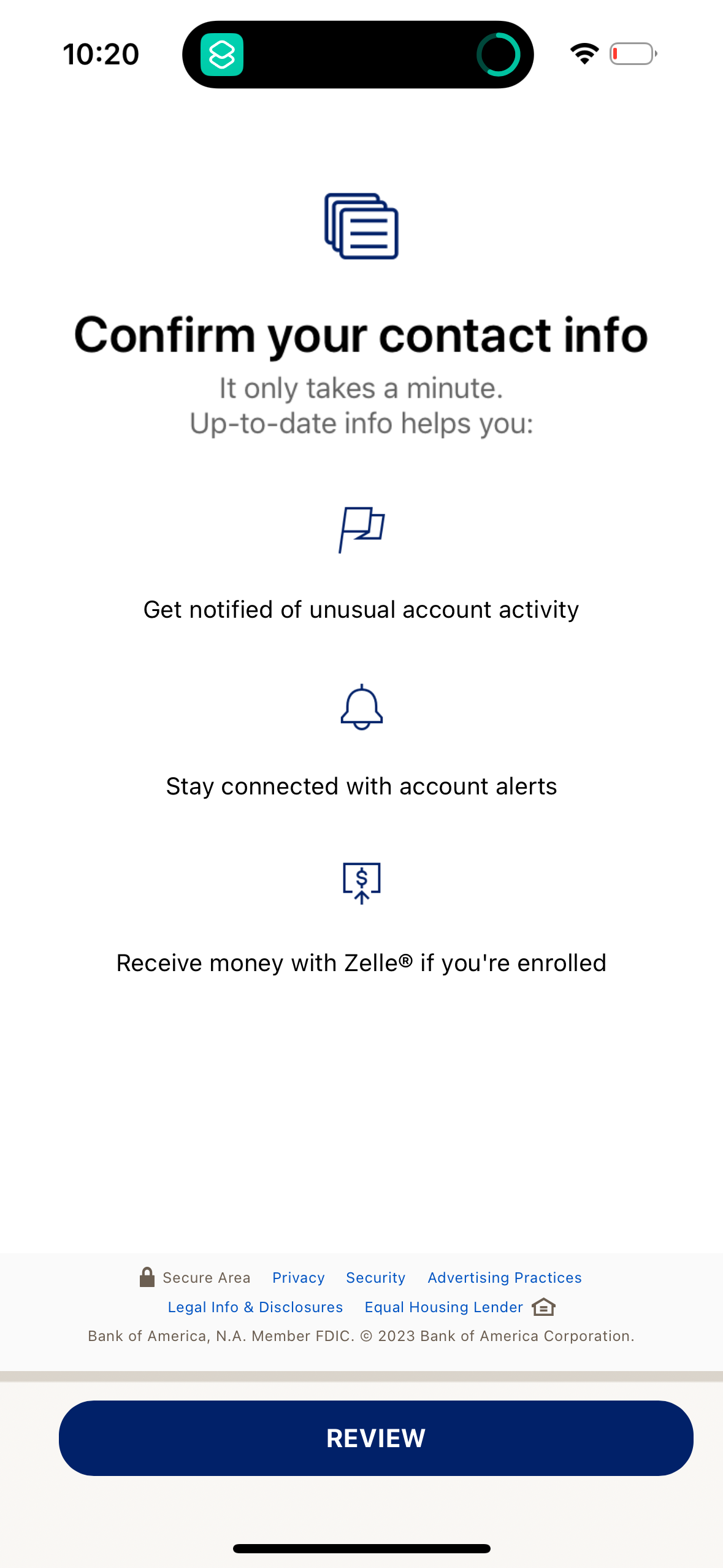
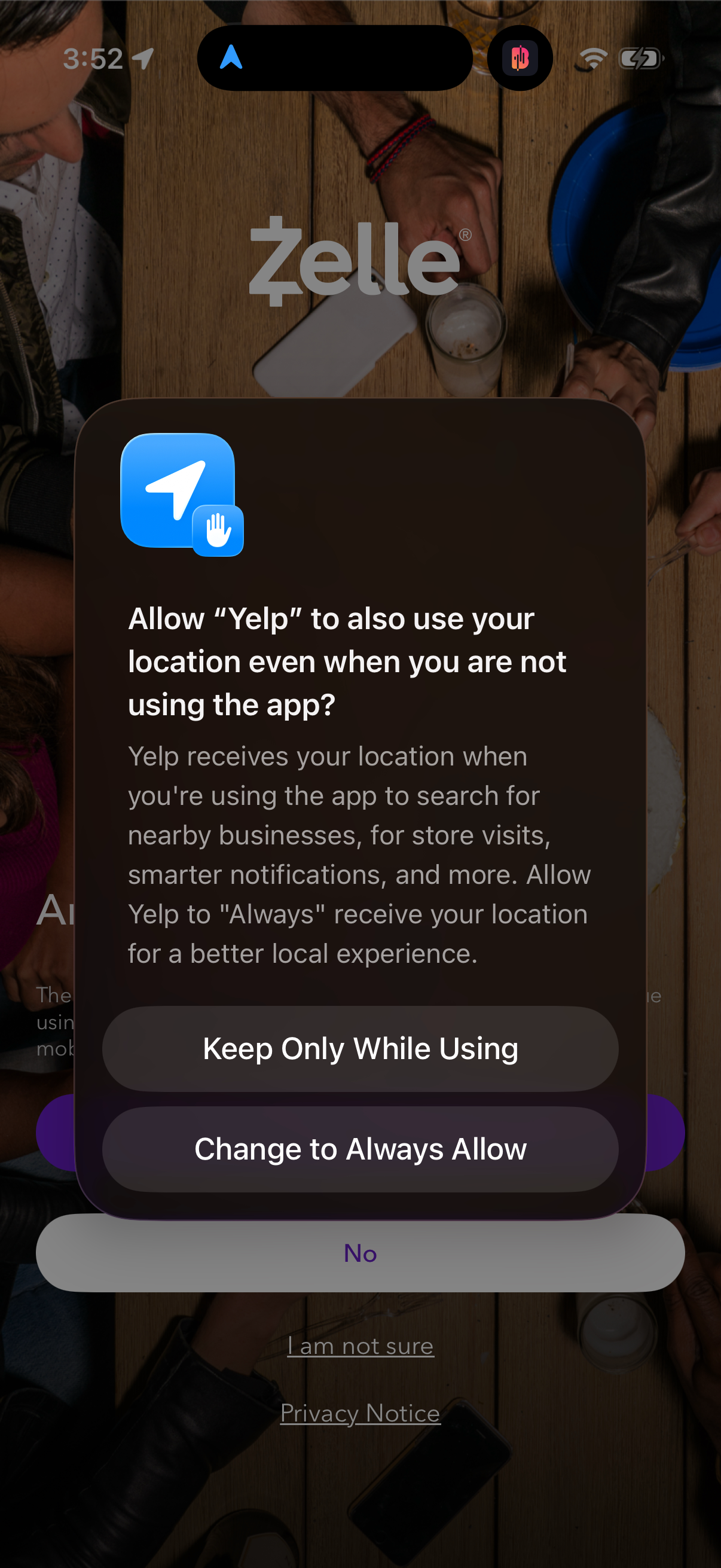
A dedicated cold-start screen category — the purpose-built first-run/empty screen a brand-new user hits — spans 58 canonical screens across 107 apps, from 374 raw screenshots [1]. That makes it the smallest activation family in the corpus, so it is best read as absolute counts plus named examples rather than a percentage. Well-known apps with one include calm, headspace, spotify, nyt, and peloton [2].
58 cold-start canonical screens across 107 apps (374 raw screenshots) — the smallest activation family — Lazyweb Research, July 2026.
| Item | Value |
|---|---|
| Canonical cold-start screens | 58 |
| Apps using one | 107 |
| Raw screenshots mapped | 374 |
What the numbers mean
Cold-start is a dedicated canonical screen category, distinct from a generic empty state, reserved for the deliberate first-run experience [1]:
| Measure | Value |
|---|---|
| Canonical cold-start screens | 58 |
| Apps using one | 107 |
| Raw screenshots mapped | 374 |
Separately, 109 apps carry a cold start tag on 130 screenshots [3] — a close cross-check on the ~107-app footprint. Because 58 canonical screens is below the n=50 threshold this family uses for percentage headlines, lead with the absolute counts and examples, not a rate.
Which apps and categories
Named cold-start apps include calm, headspace, spotify, nyt, peloton, blinkist, betterme, fitbod, disney, hulu, doordash, uber-eats, and reddit [2]. By category, the raw cold-start screenshots concentrate in [4]:
| Category | Cold-start screenshots |
|---|---|
| Education | 23 |
| Health & Fitness | 17 |
Only Education and Health & Fitness clear N>=8; Magazines & Newspapers (6), Weather (5), News (5) and below are absolute counts only [4]. The pattern skews toward habit-forming and content apps that must establish a routine on day one.
How to apply it
If you build a fitness, meditation, or learning app, a dedicated cold-start screen is an established convention — calm, headspace, betterme, and fitbod all invest in one [2][4]. In most other categories it is rare enough that a bespoke first-run screen is a differentiator, not a checkbox. Because the whole family is small, benchmark against the named examples directly rather than against a prevalence rate.
Caveats
58 canonical screens / 107 apps is the smallest-n family in the plan; do not publish a percentage below n=50 [1]. Category counts are absolute; only Education (23) and Health & Fitness (17) are large enough to compare [4]. The tag-based cross-check (109 apps) and the canonical-category count (107 apps) use different mechanics, so treat ~107-109 as the honest range rather than a single exact figure [1][3].
The numbers
| Stat | Computed from |
|---|---|
| 58 cold-start canonical screens, 107 apps, 374 raw screenshots | cold_start_canonical: canonical_screens=58, companies=107, raw_screenshots=374 |
| Cold-start apps: calm, headspace, spotify, nyt, peloton, blinkist, betterme, fitbod, disney, hulu, doordash, uber-eats, reddit | qualitative named_examples cold_start |
| 109 apps carry a 'cold start' tag on 130 screenshots | pattern_prevalence_by_company cold_start_tag: 109 companies, 130 screenshots |
| Cold-start by category: Education 23, Health & Fitness 17 (only N>=8) | cold_start_by_category: Education 23, Health & Fitness 17; Magazines 6, Weather 5, News 5 (N<8) |
Sources & citations
- [1] Lazyweb Research analysis of 23,407 canonical screens (mobile-app screenshot corpus), July 2026. Cold-start canonical category: 58 screens, 107 companies, 374 raw screenshots. ↩
- [2] Lazyweb Research analysis of 809 tracked apps (mobile-app screenshot corpus), July 2026. Named apps mapped to the cold-start canonical category. ↩
- [3] Lazyweb Research analysis of 809 tracked apps (mobile-app screenshot corpus), July 2026. Tag-match cross-check: 'cold start' tag on 109 companies / 130 screenshots. ↩
- [4] Lazyweb Research analysis of 374 cold-start screenshots (mobile-app screenshot corpus), July 2026. Raw cold-start screenshots by app-store category; only Education and Health & Fitness clear N>=8. ↩
Source: Lazyweb Research — proprietary analysis of real, in-market app screens. Cite as Lazyweb Research, 2026-07-07.