How do apps get a new user to their first meaningful action?
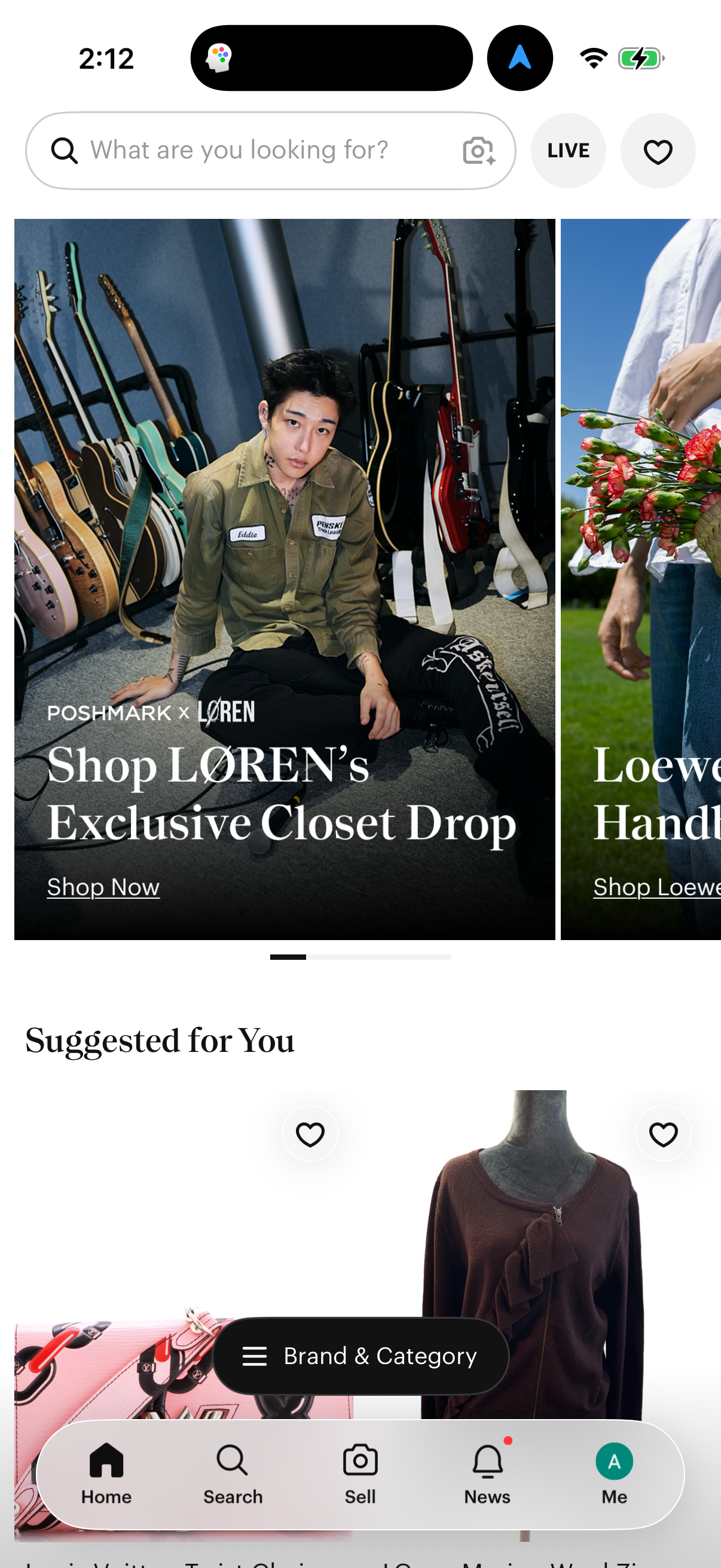
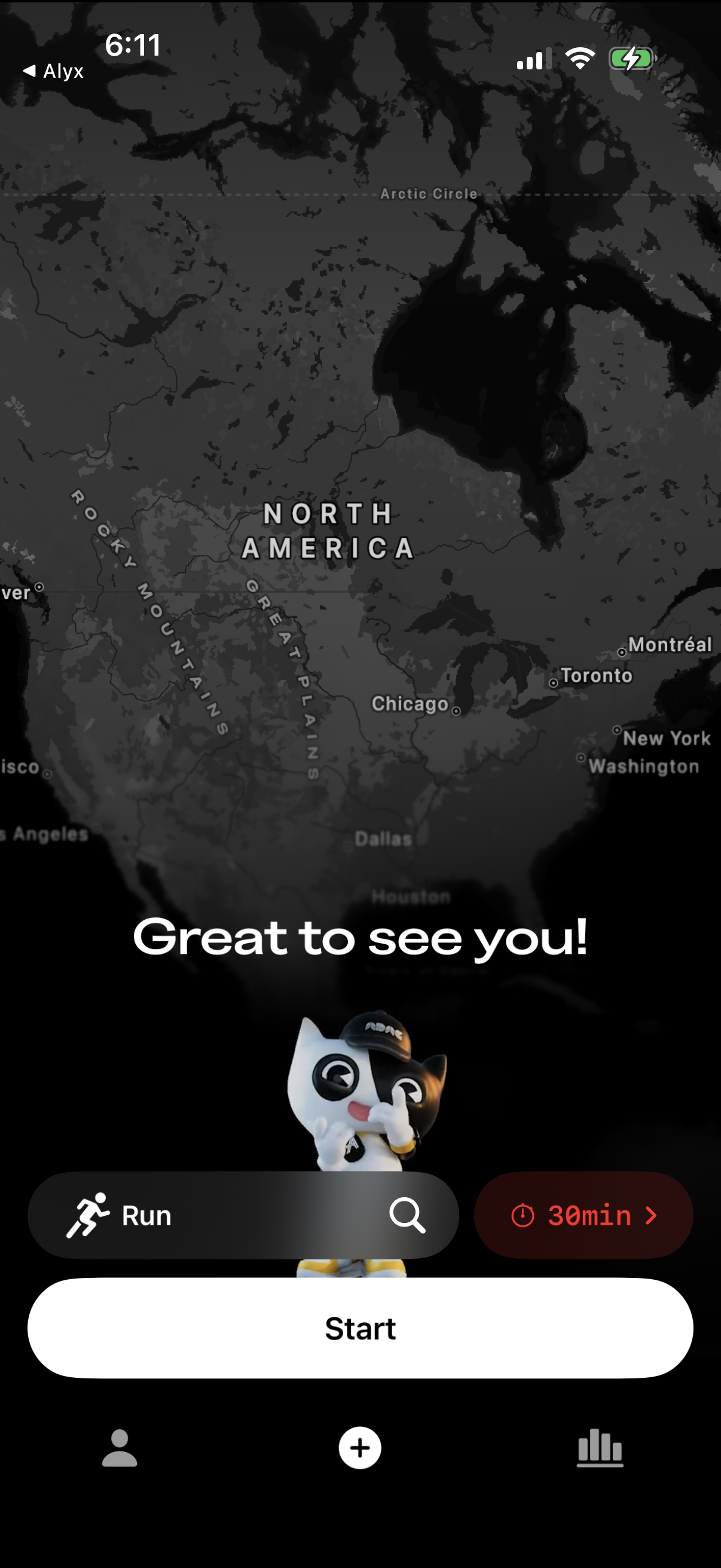
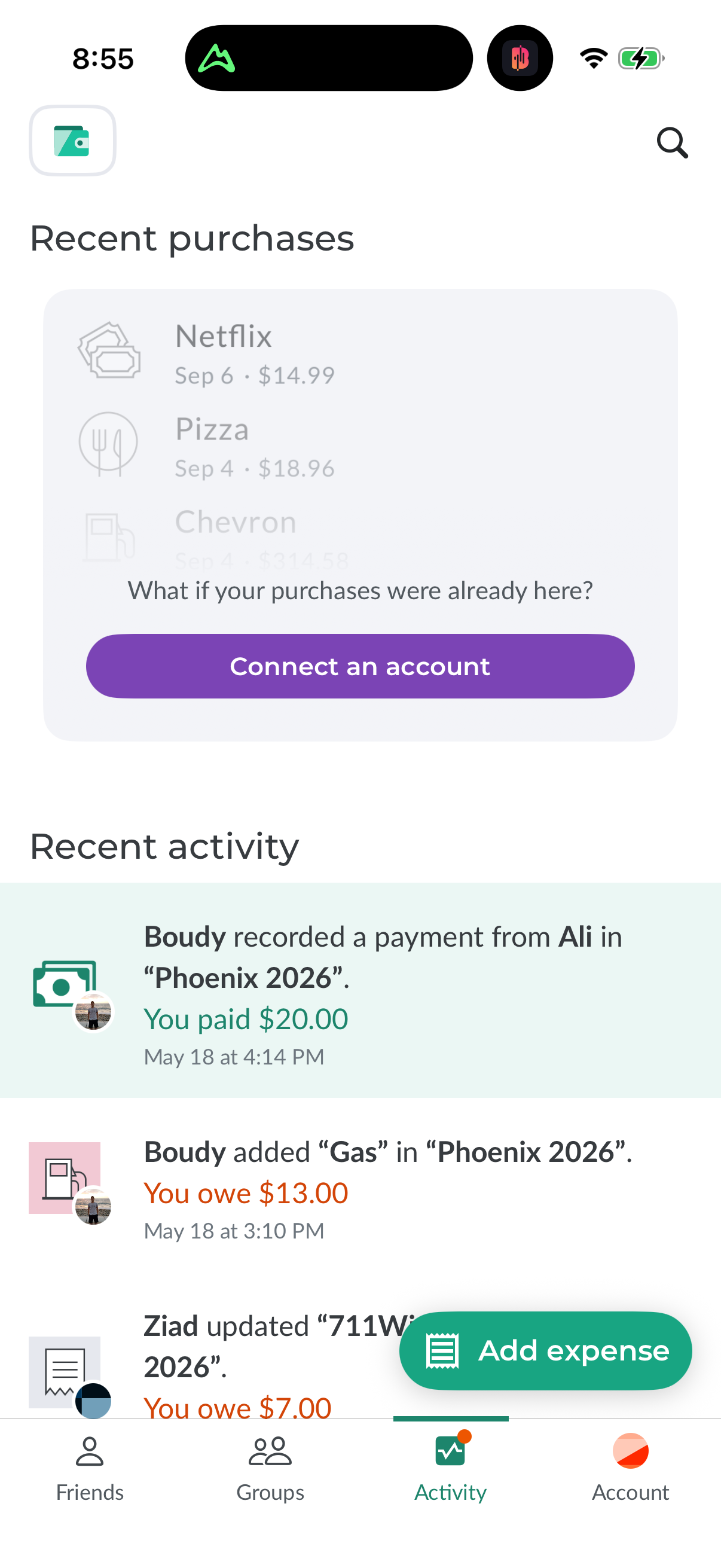
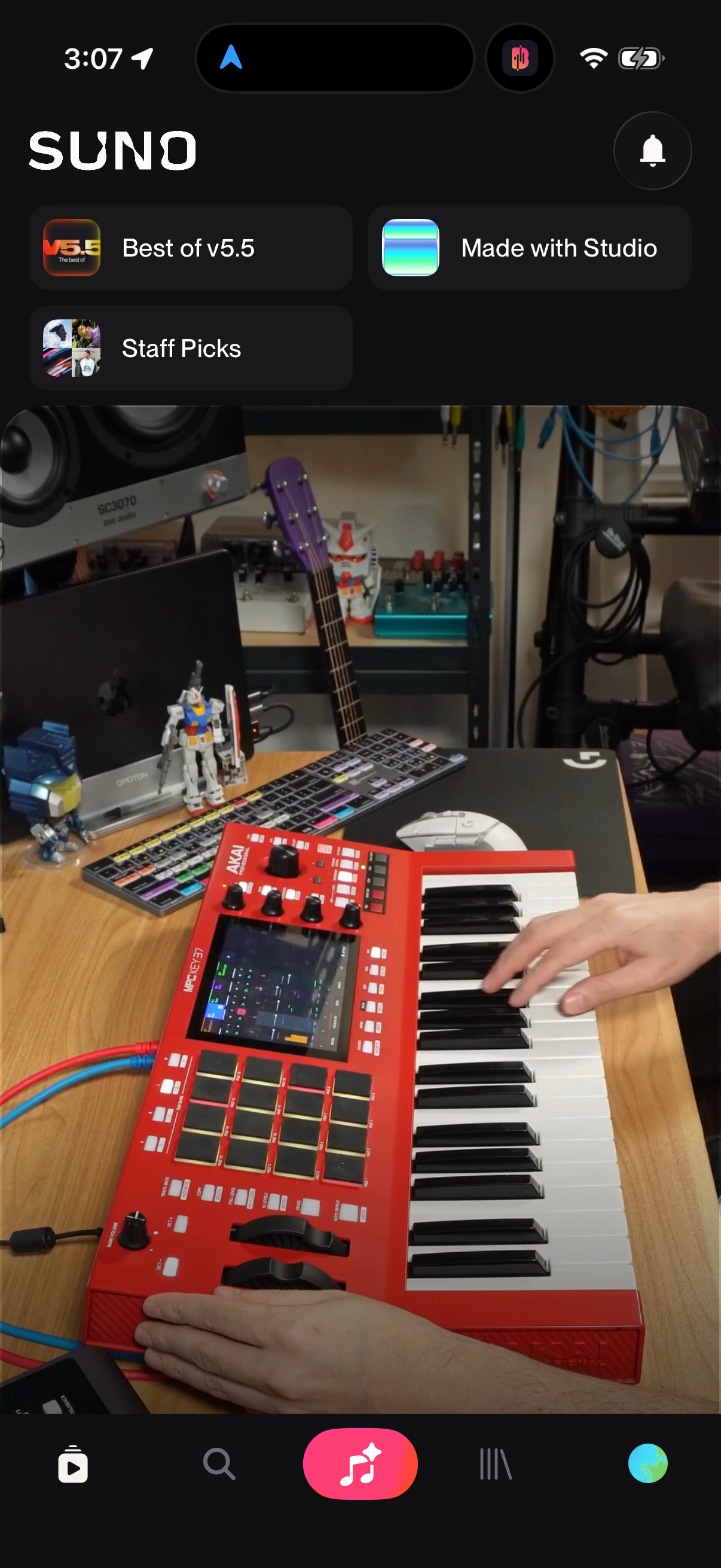
The evidence points to three main levers: a setup checklist (107 apps, 13%), pre-seeded sample content that gives users something to act on (100 apps), and social seeding that fills a feed (64 apps) [1]. An explicit single "create your first X" guided prompt is surprisingly rare — just 15 apps [2]. Most apps still rely on a plain empty state to imply the next step (373 apps) [1].
Only 15 of 809 apps use an explicit guided first-action prompt; 107 use a setup checklist instead — Lazyweb Research, July 2026.
| Item | Apps |
|---|---|
| Plain empty state (implicit prompt) | 373 |
| Setup checklist | 107 |
| Sample / demo content | 100 |
| Social seeding | 64 |
| Guided first action (explicit) | 15 |
The activation toolkit, ranked
Ordered by how many apps use each lever to move a new user toward first value [1][2]:
| Activation lever | Apps |
|---|---|
| Plain empty state (implicit prompt) | 373 |
| Setup checklist | 107 |
| Sample / demo content | 100 |
| Social seeding | 64 |
| Guided first action (explicit) | 15 |
The striking gap is at the bottom: the most direct pattern — a single explicit "do this first" instruction — is the least used. Teams overwhelmingly nudge indirectly (an empty state, a checklist, seeded content) rather than commanding one action.
Match the lever to the product
Each lever fits a product shape [3]. Setup checklists cluster in Health & Fitness (19 apps), News (10), and Productivity (8) where activation is multi-step [4]. Sample content fits creation tools (canva, capcut, replit, wix). Social seeding fits feeds and networks (snapchat, strava, signal, goodreads). Named checklist leaders by screenshot volume include finch, kahoot, quizlet, speechify, and duolingo [3].
How to apply it
Pick one primary lever rather than stacking all of them. If activation genuinely requires several steps (connect account, set a goal, invite a teammate), a checklist is the peer-validated choice — but only ~13% of apps ship one, so it is a real investment [1]. If value is unlocked by a single creative act or a populated feed, seed content or follows instead. Consider testing an explicit guided first action precisely because it is rare — the corpus can't tell you it works, but it can tell you almost no one has tried.
Caveats
All counts are tag-match lower bounds deduped by company [1][2]. Guided first action (N=15) and per-category checklist counts below N=8 are absolute-count only [2][4]. The corpus shows prevalence, not conversion — it cannot say which lever activates more users, only which is more common [1].
The numbers
| Stat | Computed from |
|---|---|
| Empty state 373, checklist 107, sample content 100, social seeding 64 apps | pattern_prevalence_by_company empty_state 373, sample_content 100, social_seeding 64; setup_checklist_strict 107 |
| Guided first action 15 apps | pattern_prevalence_by_company guided_first_action 15 companies (17 screenshots) |
| Checklist leaders finch, kahoot, quizlet, speechify, duolingo; sample canva/capcut/replit/wix; seeding snapchat/strava/signal/goodreads | qualitative named_examples setup_checklist, sample_content, social_seeding |
| Checklist categories: Health & Fitness 19, News 10, Productivity 8 | checklist_by_category: Health & Fitness 19, News 10, Productivity 8 (N>=8) |
Sources & citations
- [1] Lazyweb Research analysis of 809 tracked apps (mobile-app screenshot corpus), July 2026. Activation-lever prevalence deduped by company via tag match. ↩
- [2] Lazyweb Research analysis of 809 tracked apps (mobile-app screenshot corpus), July 2026. Guided-first-action pattern: 15 companies, 17 screenshots (absolute counts only). ↩
- [3] Lazyweb Research analysis of 809 tracked apps (mobile-app screenshot corpus), July 2026. Named examples per activation lever. ↩
- [4] Lazyweb Research analysis of 107 checklist apps (mobile-app screenshot corpus), July 2026. Checklist company counts by category; only Health & Fitness, News, Productivity clear N>=8. ↩
Source: Lazyweb Research — proprietary analysis of real, in-market app screens. Cite as Lazyweb Research, 2026-07-07.