How common is 'cancel anytime' reassurance copy on paywalls?
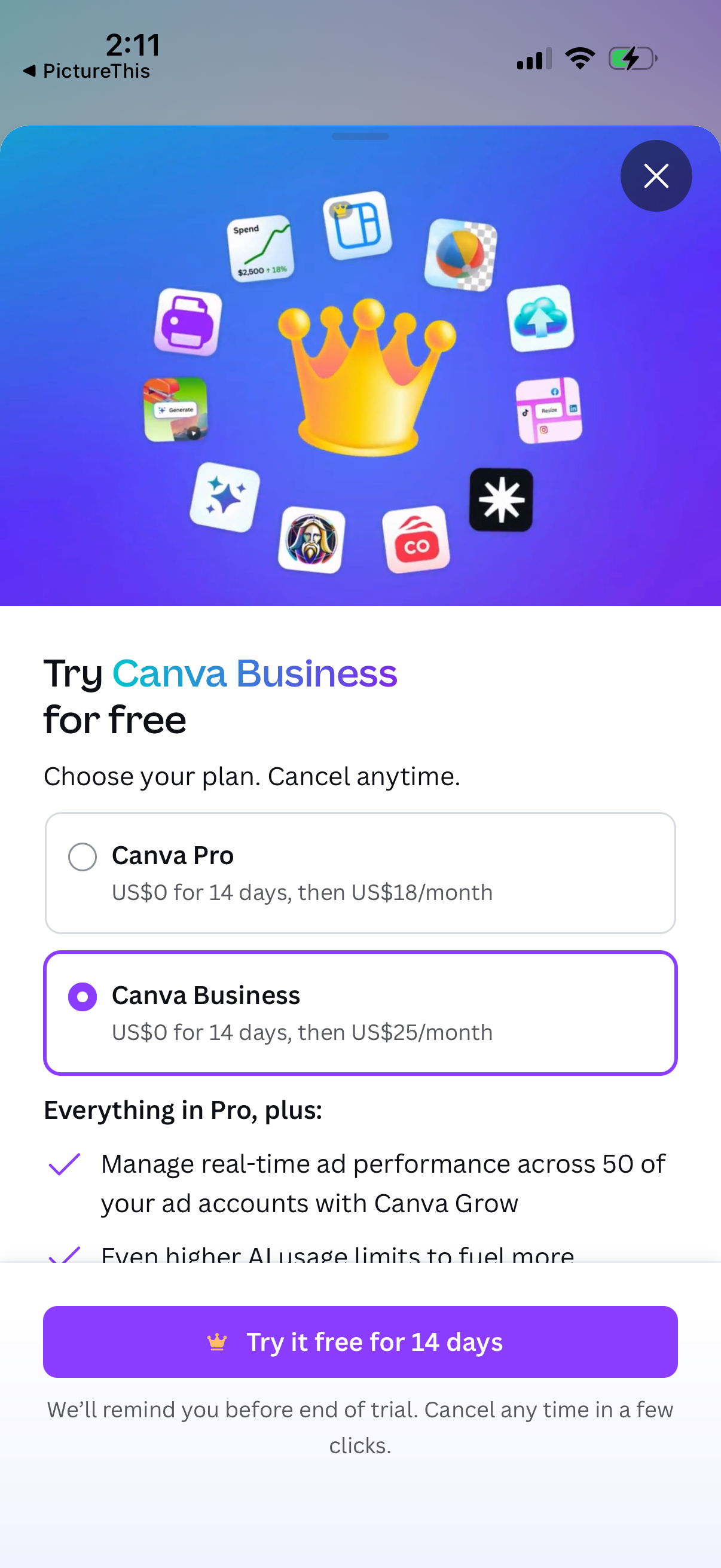
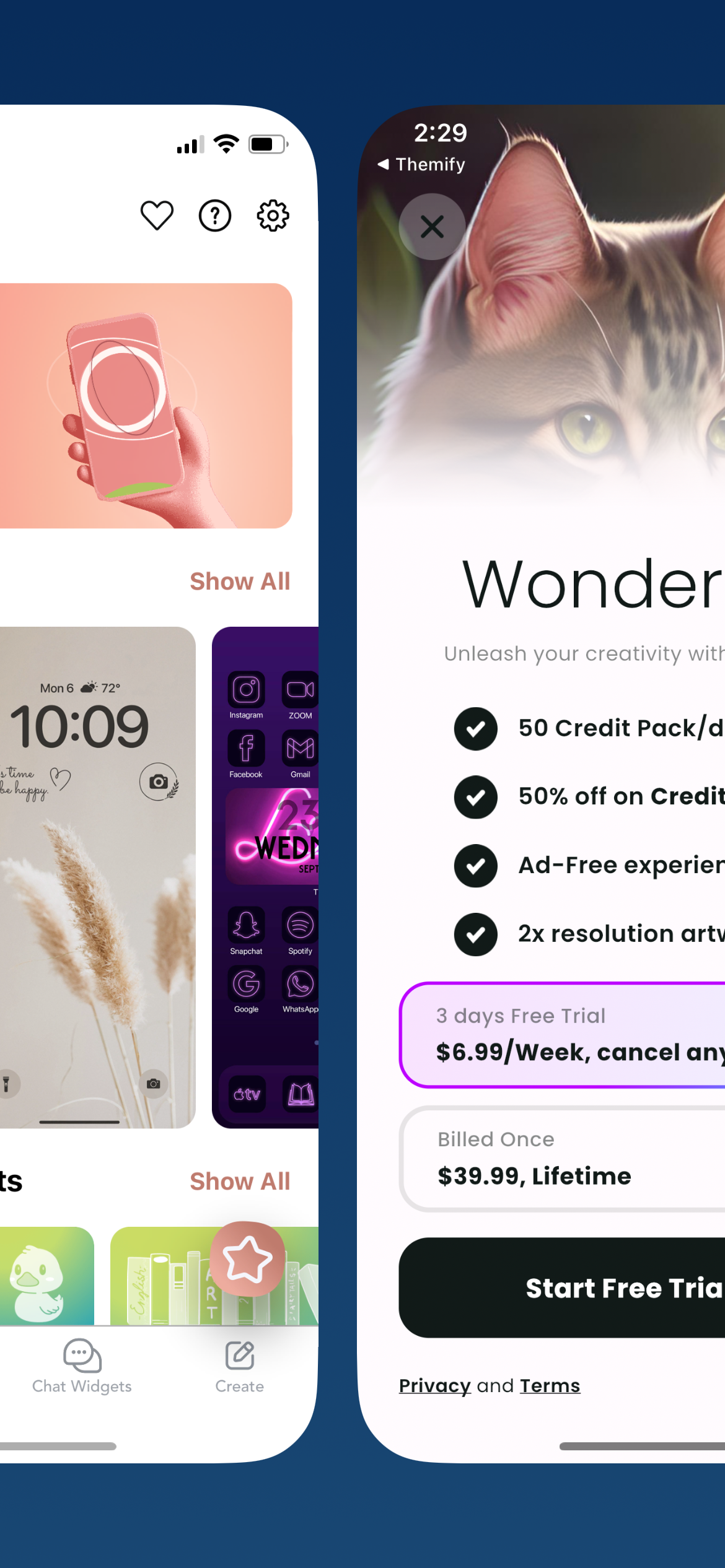
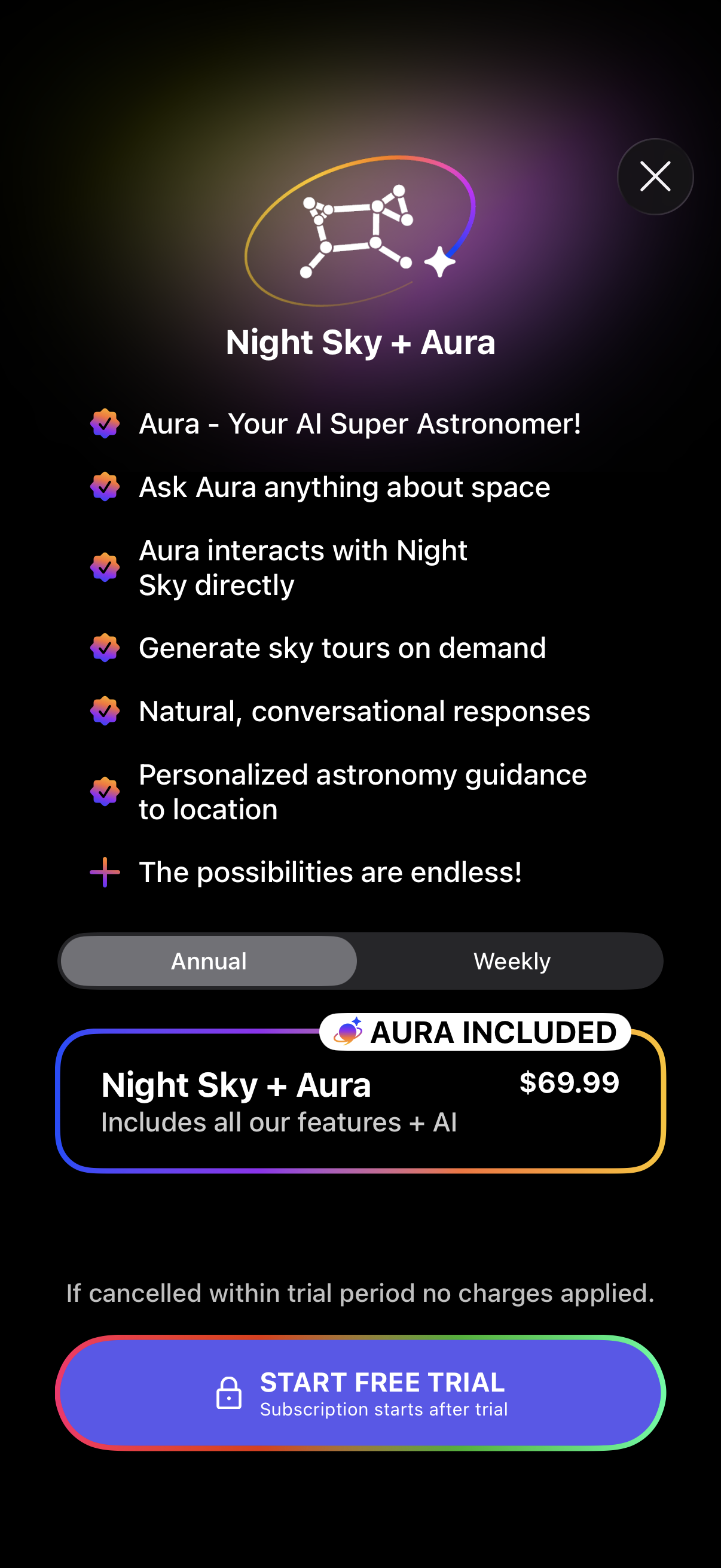
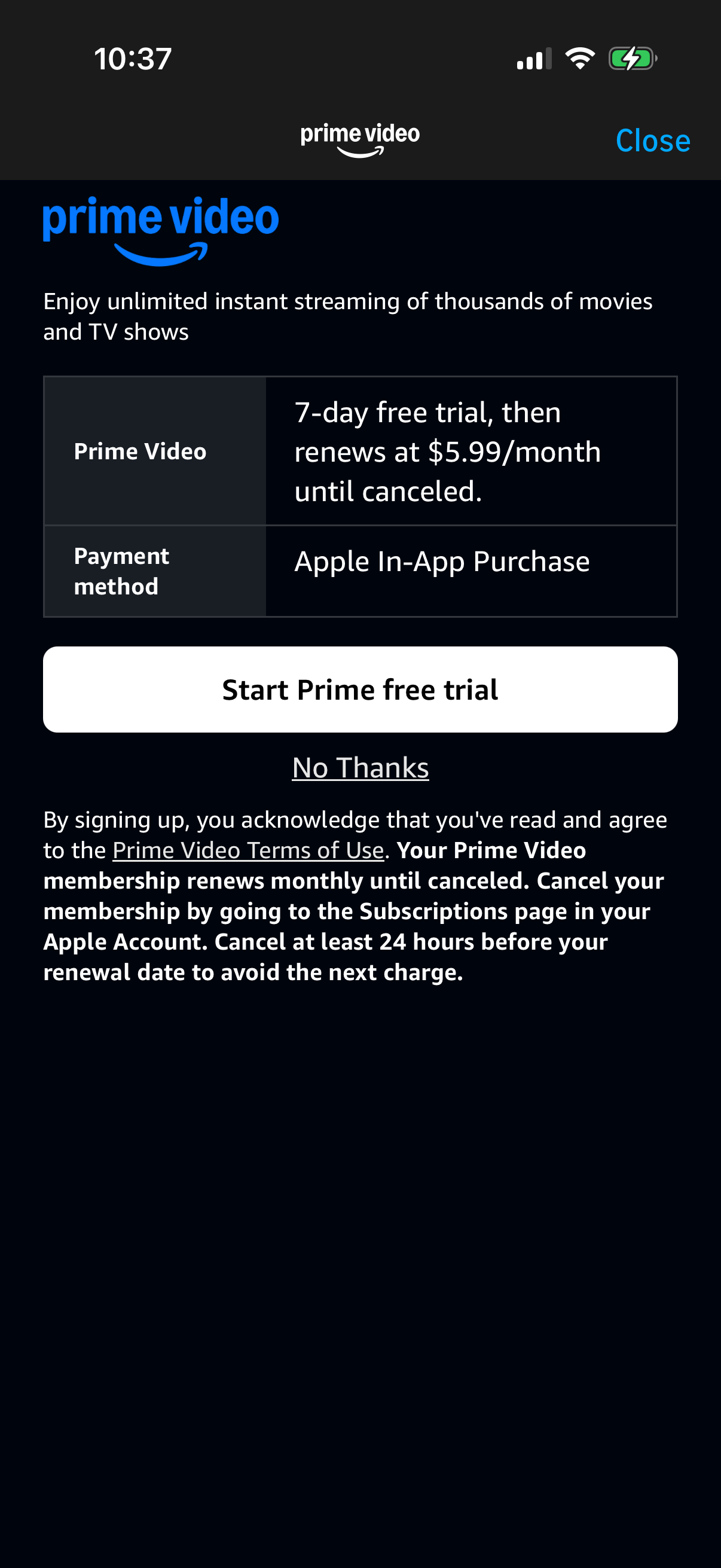
'Cancel anytime' appears on 3.8% of paywall screenshots (102 of 2,708) and is used by 15.9% of companies (40 of 252) somewhere in their paywall copy.[1][2] At the primary-CTA level it is rarer, on 2.7% of buttons' adjacent copy (51 of 1,886).[3] It is a recognizable reassurance pattern but far from universal — a differentiator you can still add.
15.9% of companies (40/252) use 'cancel anytime' on a paywall, but only 3.8% of screens (102/2,708) show it — Lazyweb Research, July 2026.
| Item | 'Cancel anytime' prevalence |
|---|---|
| Companies (any paywall) | 15.9% (40/252) |
| Paywall screenshots | 3.8% (102/2,708) |
| Primary CTA adjacent copy | 2.7% (51/1,886) |
The finding
Reassurance copy sits at three levels of prevalence:
| Level | 'Cancel anytime' prevalence |
|---|---|
| Companies (any paywall) | 15.9% (40/252) |
| Paywall screenshots | 3.8% (102/2,708) |
| Primary CTA adjacent copy | 2.7% (51/1,886) |
One in six companies uses the phrase somewhere, but it shows up on well under one in twenty individual paywall screens.[1][2][3] Named examples pair it with the offer terms: Scribd ('Free for 30 days, then $11.99/month. Cancel anytime.'), Facetune ('No commitment, cancel anytime.'), Rootd ('No commitment. Cancel anytime.').[1]
How to apply it
The gap between the company rate (15.9%) and the screen rate (3.8%) tells you where the phrase belongs: companies that use it tend to place it on the *trial or subscription* paywall specifically, not every monetization screen. Put 'cancel anytime' next to a recurring-billing commitment — right where the user's cancellation anxiety peaks — rather than everywhere.
Because only ~16% of companies use it, adding clear 'cancel anytime' or 'no commitment' copy is still a genuine differentiator on a trial paywall, not table stakes. Pair it with the post-trial price and renewal terms, as Scribd does, so the reassurance reads as honesty rather than a hedge.
Caveats
Detection is a cancel any\s?time regex over extracted CTA-adjacent copy, so a 'cancel anytime' line placed far from the CTA (e.g. in fine print at the screen bottom) may be missed — read all three figures as a lower bound.[1][2][3] Company-level counts span all CTA roles; the 3.8% screen figure and 2.7% primary figure use screen and primary-role denominators respectively. July 2026 pull.
The numbers
| Stat | Computed from |
|---|---|
| 15.9% companies (40/252) | cancel_anytime_companies |
| 3.8% screens (102/2,708) | cancel_anytime_screens |
| 2.7% primary CTAs (51/1,886) | cancel_anytime_primary_rows |
Sources & citations
- [1] Lazyweb Research analysis of 252 companies with paywall CTAs (~800 tracked apps), July 2026. 'cancel any time' regex over extracted CTA copy; company-deduped, all CTA roles; named examples from extracted copy. ↩
- [2] Lazyweb Research analysis of 2,708 paywall screenshots (~800 tracked apps), July 2026. Screen-level bool_or over CTA-adjacent copy; lower bound if phrase sits far from CTA. ↩
- [3] Lazyweb Research analysis of 1,886 primary paywall CTAs (~800 tracked apps), July 2026. Primary-CTA adjacent copy match; 39% unknown-role rows excluded. ↩
Source: Lazyweb Research — proprietary analysis of real, in-market app screens. Cite as Lazyweb Research, 2026-07-07.
Explore the evidence
Related questions
More in Free-trial framing and reassurance copy on paywalls →