What trial lengths do paywalls advertise most — 3, 7, 14, or 30 days?
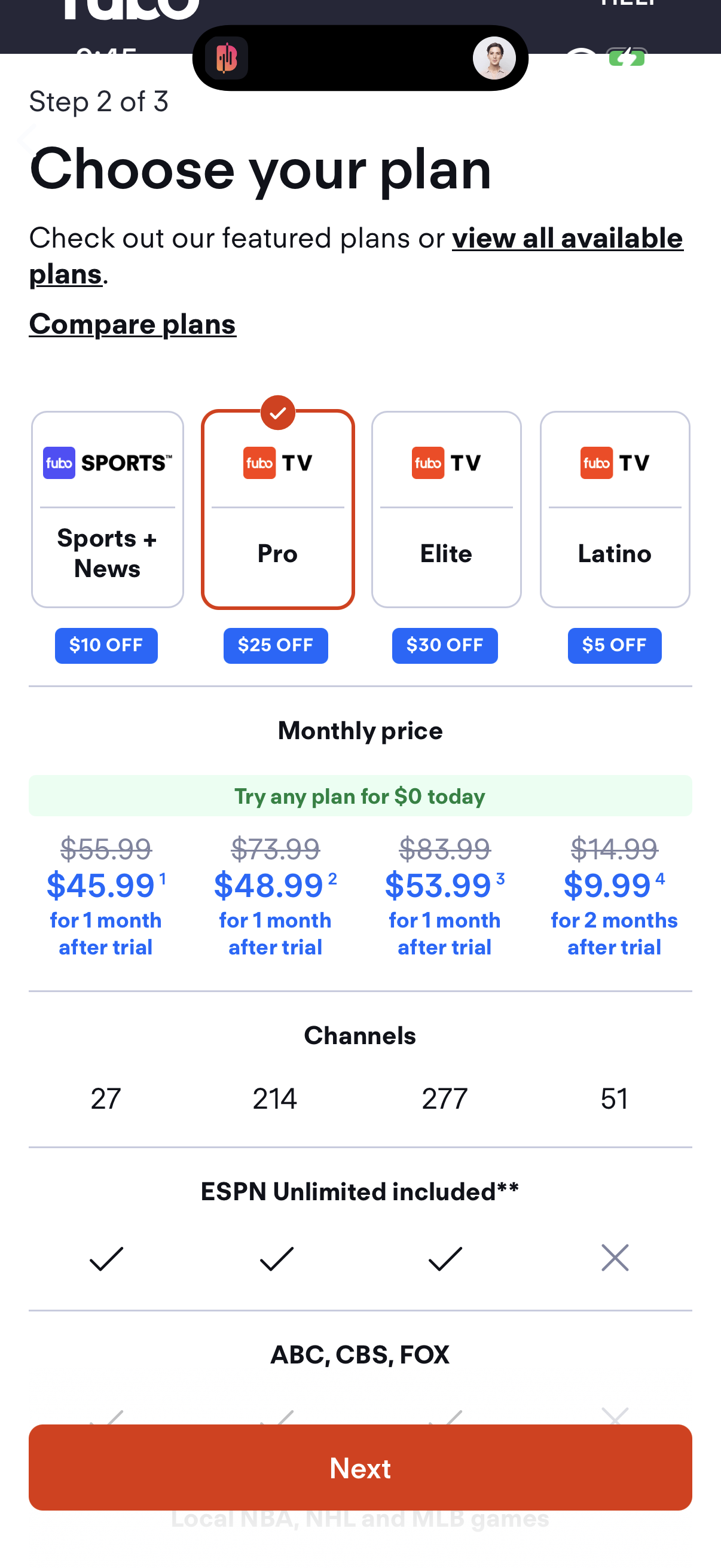
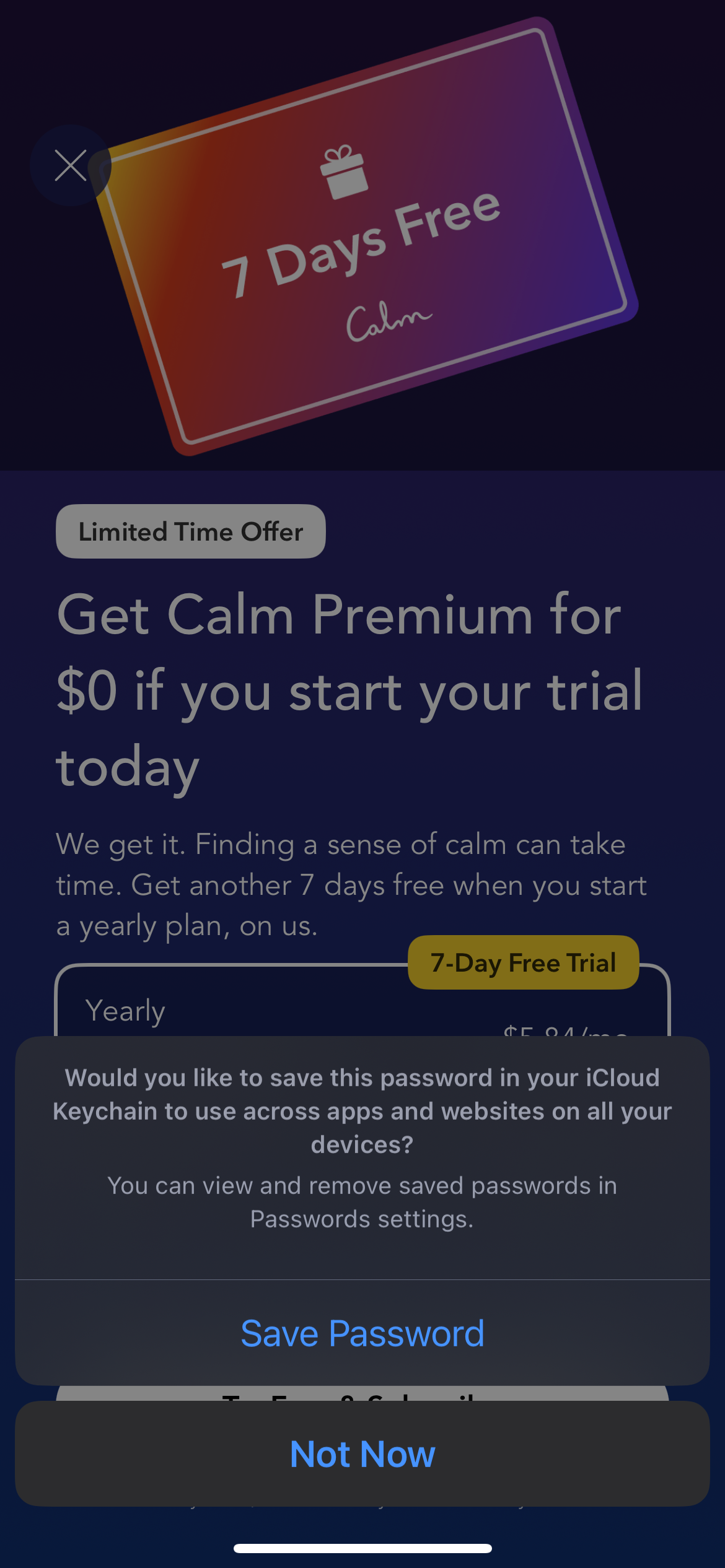
Among the 258 primary CTAs that name a trial length, 7-day is the clear leader at 57.4% (148 mentions, 42 companies), followed by 3-day at 20.9% (54 mentions, 9 companies).[1][2] 14-day trails at 31 mentions (12 companies) and 30-day at 65 mentions (7 companies, an upper bound).[3] If you only advertise one length, 7 days is the market default.
7-day is the most-advertised trial length — 57.4% of the 258 length-naming primary CTAs (148 mentions, 42 companies) — Lazyweb Research, July 2026.
| Item | Mentions |
|---|---|
| 7-day / 1-week | 148 |
| 3-day | 54 |
| 30-day | 65 |
| 14-day | 31 |
The finding
13.7% of primary CTAs (258 of 1,886) name an N-day trial in the button or its adjacent copy.[1] Within that set, the length distribution is:
| Length | Mentions | Share of 258 | Distinct companies |
|---|---|---|---|
| 7-day / 1-week | 148 | 57.4% | 42 |
| 3-day | 54 | 20.9% | 9 |
| 30-day | 65 | — | 7 (upper bound) |
| 14-day | 31 | — | 12 |
Company-deduped, of the 63 companies that advertise any length, 42 use 7-day, 12 use 14-day, 9 use 3-day, and 7 use 30-day.[2] Named 7-day examples: PictureThis ('Try 7 days free, then $39.99/year'), Yousician, Calm.[1]
How to apply it
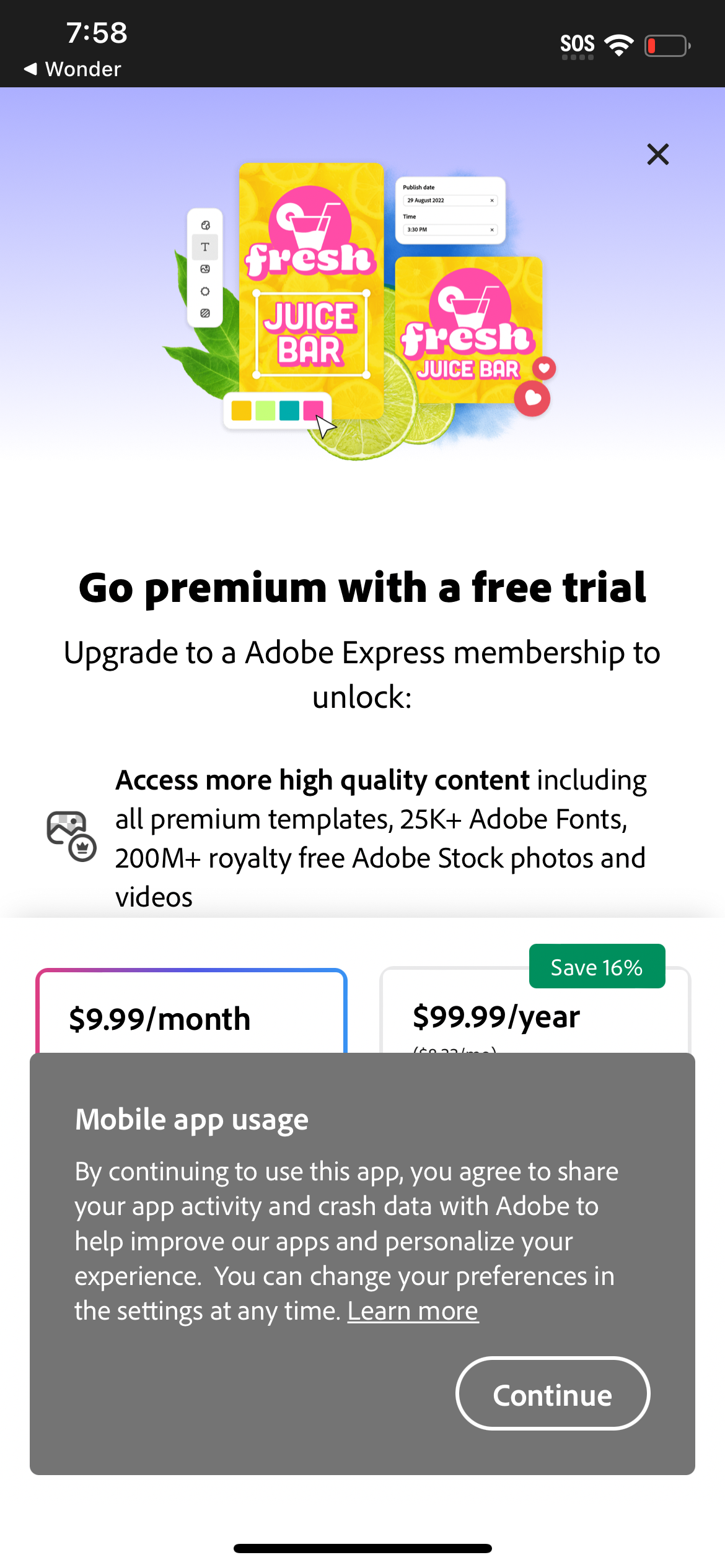
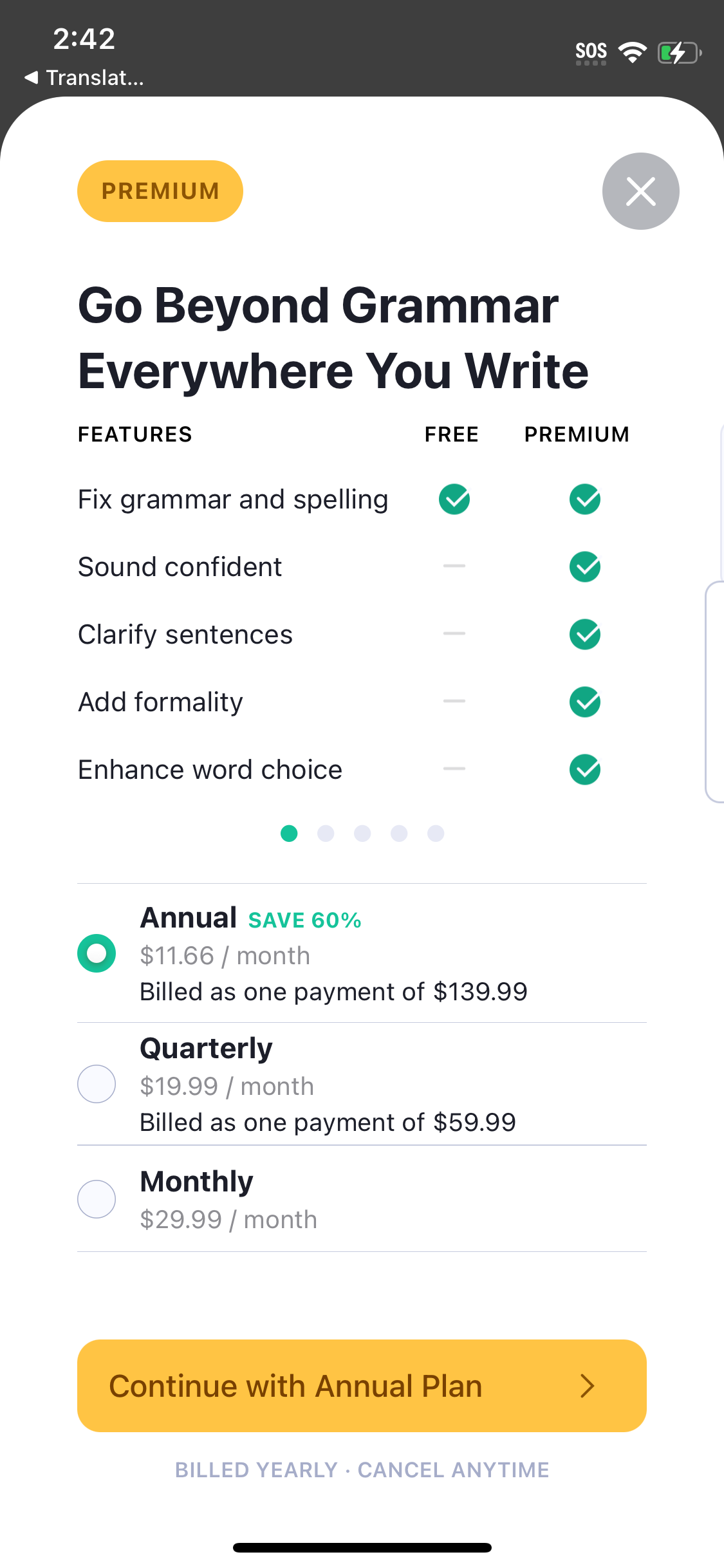
7-day is the safe default: two-thirds of length-advertising companies use it, and it is the only length that clears a meaningful sample in most verticals. Choose 3-day when you want to force a fast decision and your value is immediately obvious (utility and some education apps do this). Choose 14-day when the product needs setup time to show value — the 12 companies here include Termius, Canva, Adobe Express, and Zoom, all tools with a learning curve.[3]
30-day should be treated skeptically: the regex also catches '30-day money-back guarantee' copy, so 65 mentions / 7 companies is an upper bound on genuine 30-day trials, not a reliable count.
Caveats
Length is detected with a \d+[- ]day regex over button text plus adjacent copy, so lengths shown only on plan cards elsewhere are missed. 3-day counts are concentrated: of 54 mentions, 34 come from a single company (plantin's 'Try 3 days free'), so cite the 9-company figure, not the row count, as prevalence.[2] 14-day (31) and 30-day (65) are small samples — treat sub-length percentages cautiously. July 2026 pull.
The numbers
| Stat | Computed from |
|---|---|
| 258/1,886 name a length (13.7%); 7-day 148 (57.4%) | trial_length_any_day_share, trial_length_7day |
| company-deduped: 63 any, 42 7-day, 12 14-day, 9 3-day, 7 30-day | trial_length_companies, trial_length_3day, trial_length_14day, trial_length_30day |
| 14-day 31 mentions/12 companies; 30-day 65/7 (upper bound) | trial_length_14day, trial_length_30day |
Sources & citations
- [1] Lazyweb Research analysis of 1,886 primary paywall CTAs (~800 tracked apps), July 2026. Trial length via \d+[- ]day regex over button text plus adjacent copy; named examples from extracted copy. ↩
- [2] Lazyweb Research analysis of 63 length-advertising companies (~800 tracked apps), July 2026. Company-deduped length counts; 3-day rows concentrated in one company (plantin). ↩
- [3] Lazyweb Research analysis of trial-length mentions in primary CTAs (~800 tracked apps), July 2026. 30-day regex also catches money-back-guarantee copy; treat as upper bound. ↩
Source: Lazyweb Research — proprietary analysis of real, in-market app screens. Cite as Lazyweb Research, 2026-07-07.
Explore the evidence
Related questions
More in Free-trial framing and reassurance copy on paywalls →