Should a discount say '50% off' or 'save 50%' or 'discount'?
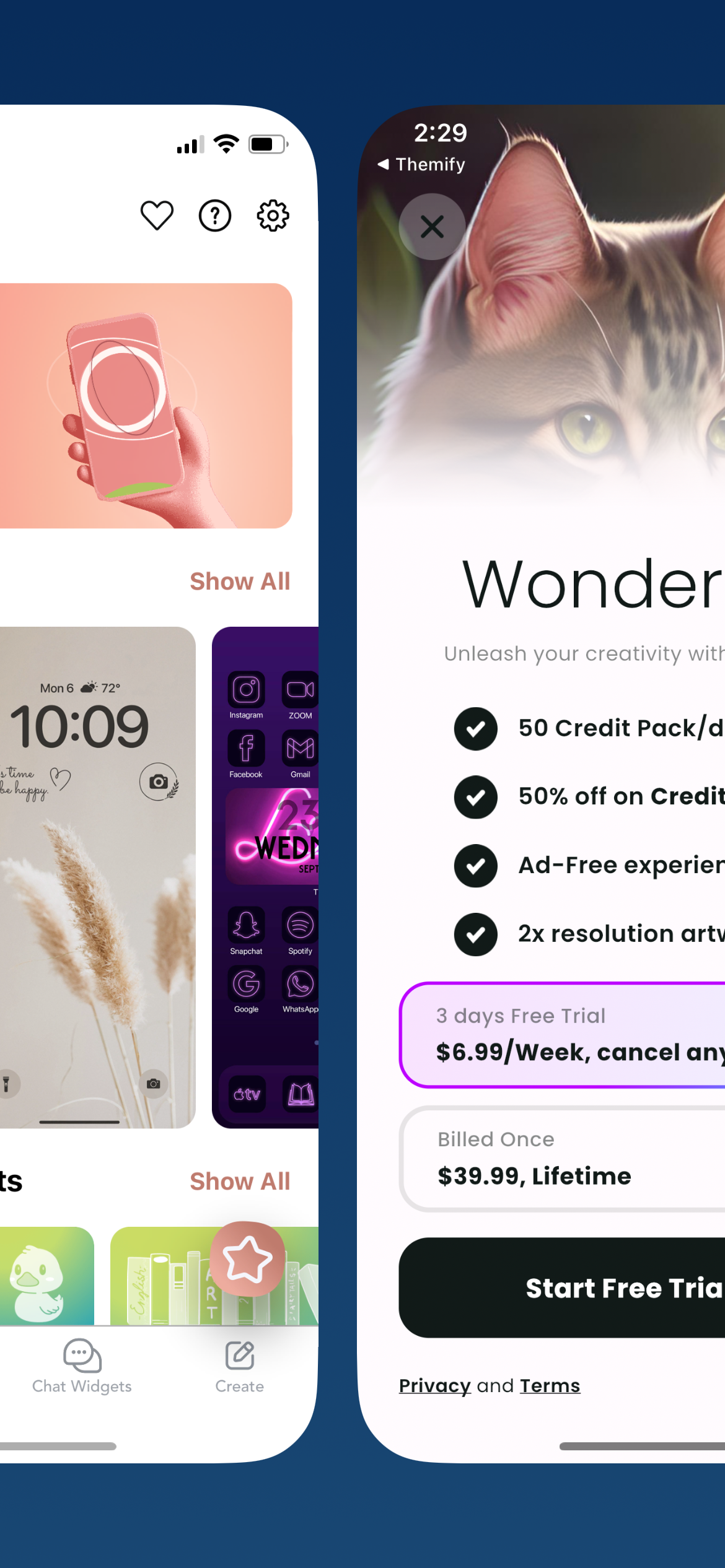
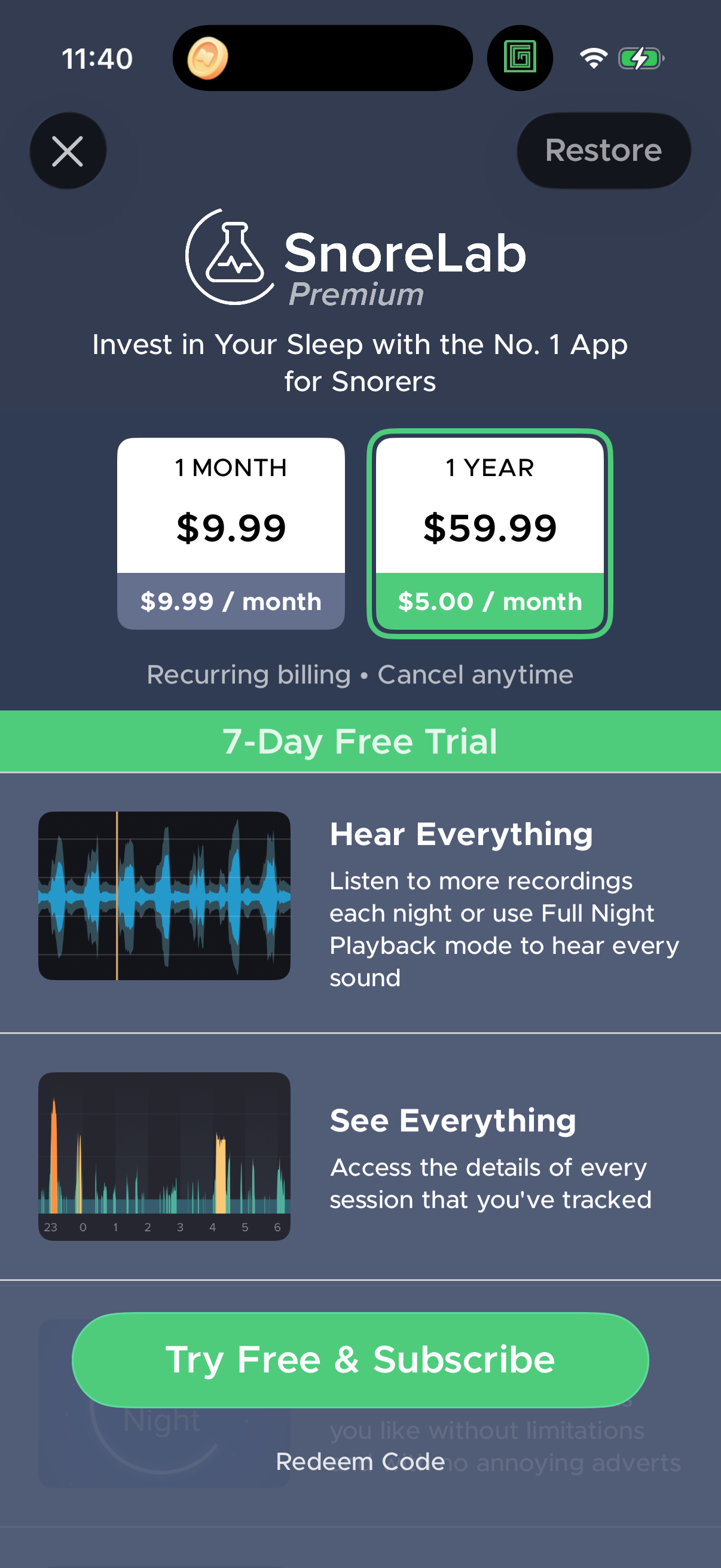
'Off' dominates: it appears in 325 discount CTAs across 60 companies, versus 111 CTAs (34 companies) for 'save' and just 41 CTAs (10 companies) for the literal word 'discount'.[1] Buyers overwhelmingly see percentage-off framing, not the word 'discount.' If you're picking copy, lead with 'X% off' — it's the market's default vocabulary.
'Off' appears in 325 discount CTAs (60 companies) versus only 41 for the literal word 'discount' — Lazyweb Research, July 2026.
| Item | CTAs |
|---|---|
| '…off' (e.g. '50% off') | 325 |
| 'save' (e.g. 'save 50%') | 111 |
| literal 'discount' | 41 |
The finding: 'off' is the default vocabulary
Splitting discount CTAs by which keyword they use shows a clear hierarchy.[1]
| Framing | CTAs | Companies |
|---|---|---|
| '…off' (e.g. '50% off') | 325 | 60 |
| 'save' (e.g. 'save 50%') | 111 | 34 |
| literal 'discount' | 41 | 10 |
'Off' framing is used by 60 of the 80 discounting companies — three times as many as use the literal word 'discount' (10 companies).[1] The word 'discount' itself is rare enough that headlining on it would put you outside the norm.
How to apply it
Default your primary CTA and headline to 'X% off' — it's what buyers are trained on. Use 'save' framing as a secondary or when a detected experiment swap makes sense: Snapchat's detected experiment shifted a price-focused headline to 'Save 60% on Snapchat+' with a 'SPECIAL OFFER' badge, and Drops' detected diff swapped a 'GET 50% OFF' button to 'SAVE 50%'.[2][3] Both moves keep the discount dominant while varying the verb. Avoid leading with the bare word 'discount' — only 10 companies do, so it reads as off-pattern rather than distinctive.[1]
Caveats
These are detected before/after UI diffs with inferred rationale, not measured A/B lift — the Snapchat and Drops swaps tell you what teams tried, not which won.[2][3] Keyword buckets can overlap (a CTA can contain both 'save' and 'off'), so the numerator counts are not mutually exclusive. Detection is text-only; a strikethrough price with no discount word won't be captured under any of these buckets.
The numbers
| Stat | Computed from |
|---|---|
| 'off' in 325 CTAs (60 companies); 'save' in 111 CTAs (34 companies); literal 'discount' in 41 CTAs (10 companies) | keyword_split_off_discount_save |
| Snapchat detected experiment shifted to 'Save 60% on Snapchat+' with a 'SPECIAL OFFER' badge | named_discount_example_snapchat |
| Drops detected diff swapped 'GET 50% OFF' button copy to 'SAVE 50%' | experiment_learning_drops |
Sources & citations
- [1] Lazyweb Research analysis of 4,406 paywall CTAs (252 tracked paywall companies), July 2026. Keyword occurrence split ('off','save','discount') over combined CTA + surrounding copy, with distinct-company counts. ↩
- [2] Lazyweb Research analysis of 795 detected paywall-CTA experiments (252 tracked paywall companies), July 2026. Named detected experiment: Snapchat 'Save 60% on Snapchat+' with 'SPECIAL OFFER' badge; inferred rationale, not measured lift. ↩
- [3] Lazyweb Research analysis of 795 detected paywall-CTA experiments (252 tracked paywall companies), July 2026. Named detected diff: Drops 'GET 50% OFF' -> 'SAVE 50%'; inferred rationale, not measured lift. ↩
Source: Lazyweb Research — proprietary analysis of real, in-market app screens. Cite as Lazyweb Research, 2026-07-07.