How often do real mobile paywalls actually use discounts?
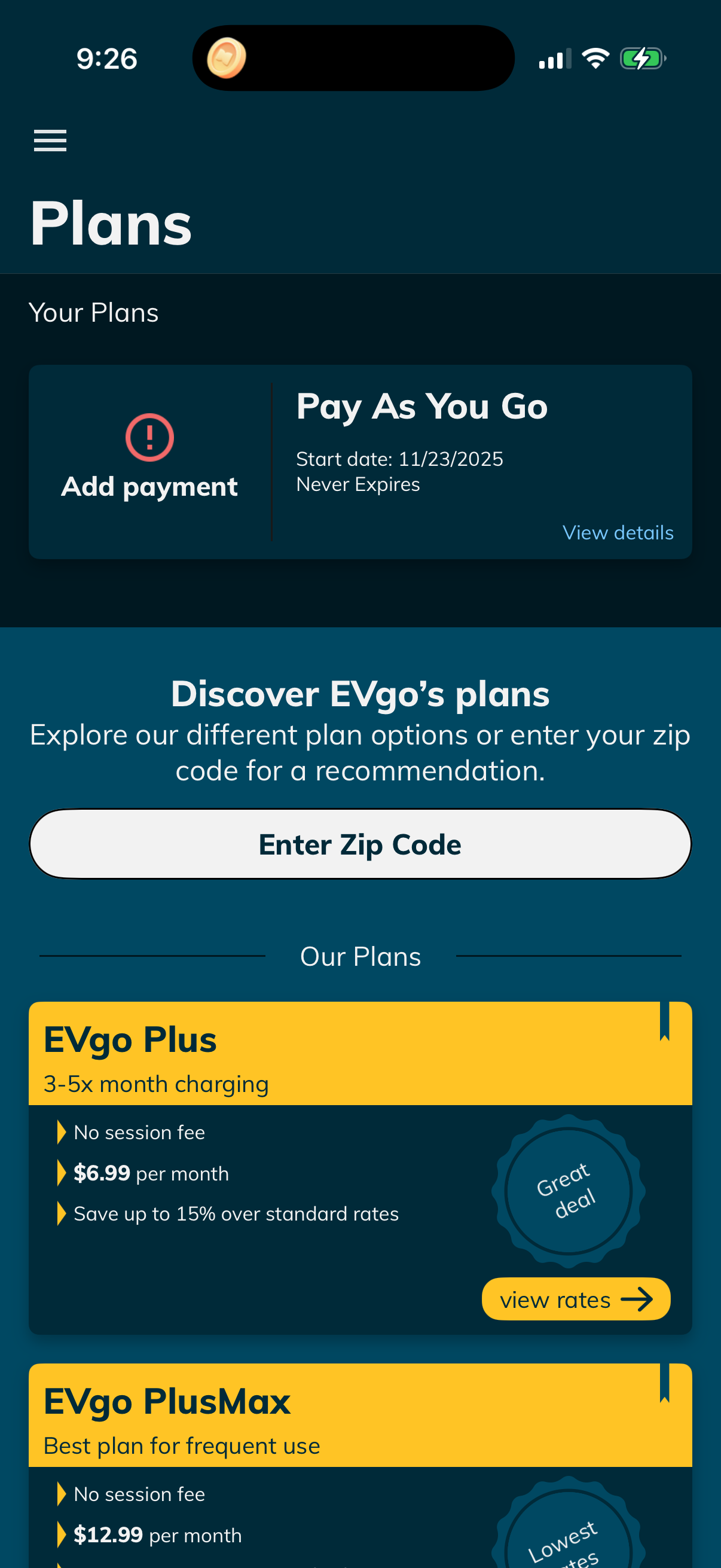
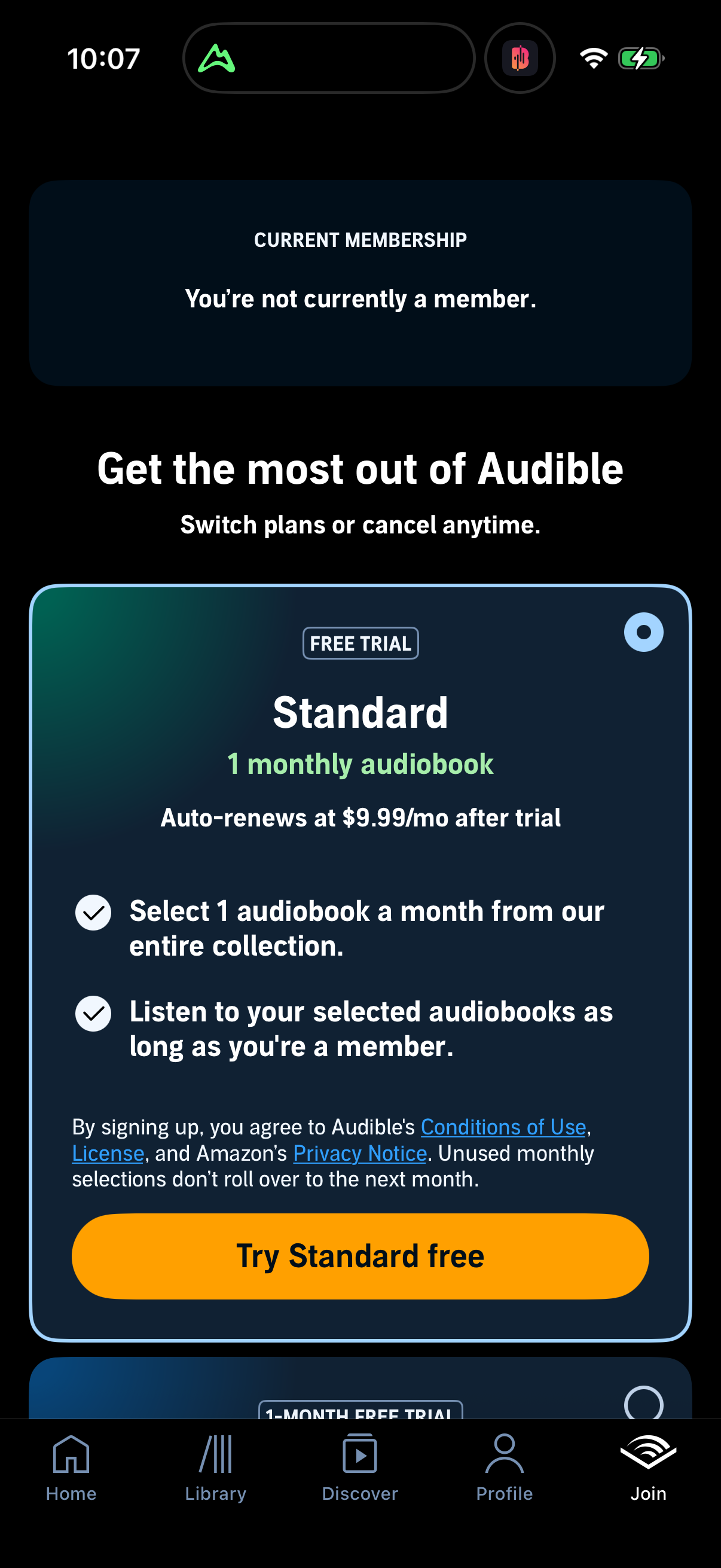
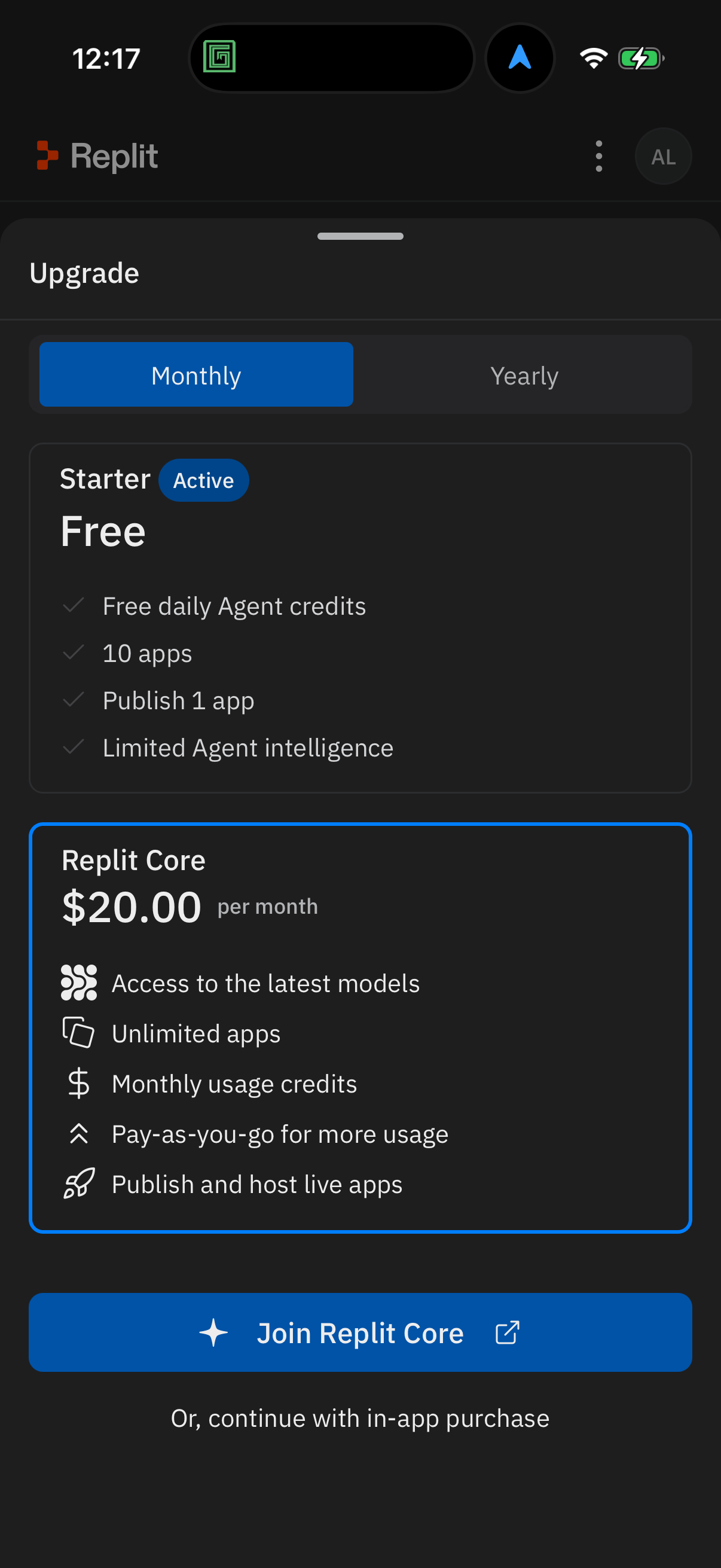
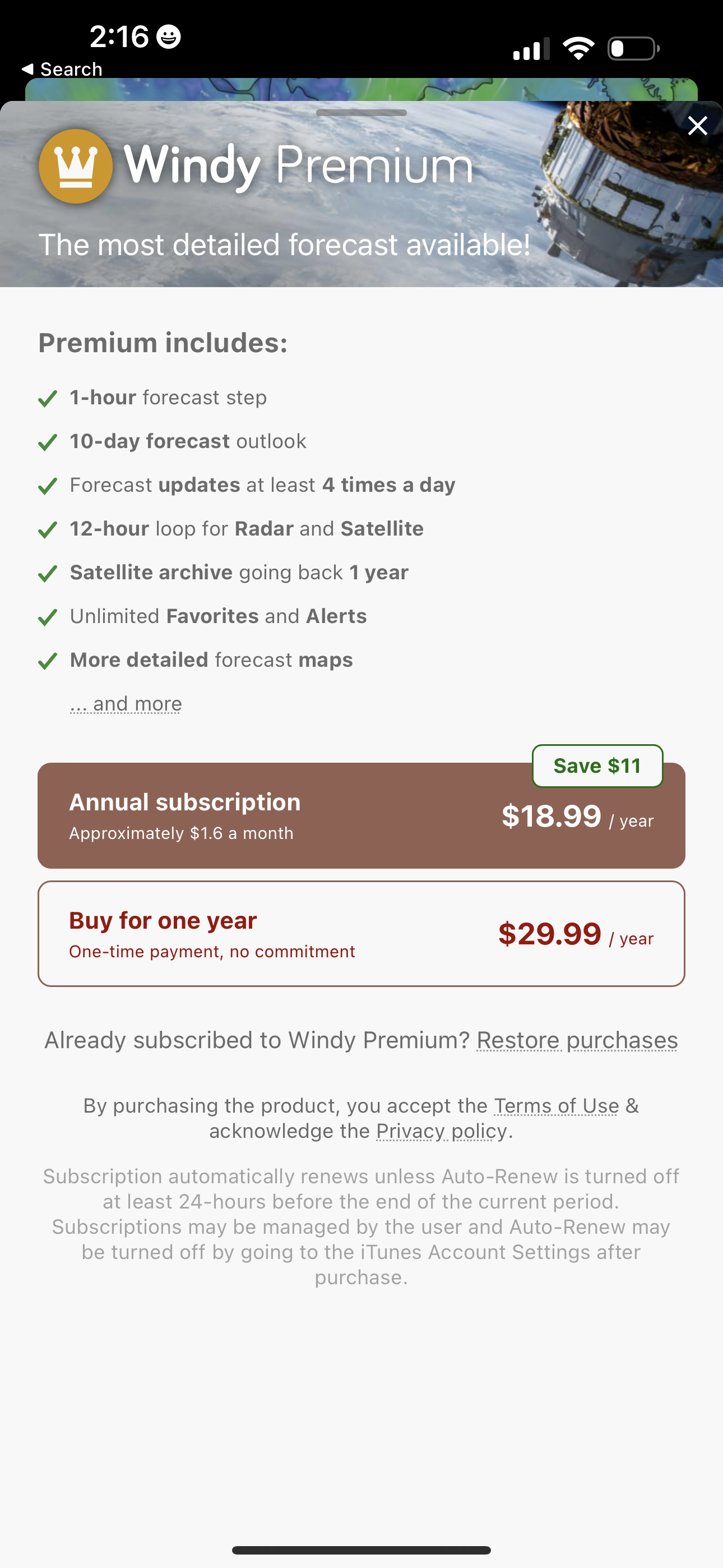
9.6% of paywall CTAs (422 of 4,406) carry a discount signal in their button or surrounding copy, but adoption is much wider at the company level: 31.7% of tracked paywall companies (80 of 252) run at least one discount paywall.[1] So a discount is a minority of the average app's CTAs but something roughly a third of apps reach for somewhere. If you're deciding whether discounting is 'normal,' the honest read is: common as a tactic, rare as a default.
9.6% of paywall CTAs carry a discount, but 31.7% of tracked paywall companies run at least one discount paywall — Lazyweb Research, July 2026.
| Item | Discount rate |
|---|---|
| All paywall CTAs (4,406) | 9.6% (422) |
| Primary CTAs only (1,886) | 10.8% (203) |
| Tracked paywall companies (252) | 31.7% (80) |
The finding: rare per-screen, common per-company
Across 4,406 paywall CTAs from 252 tracked paywall apps, only 9.6% (422) mention a discount in the button text or the surrounding title/subtitle.[1] But because most apps show many non-discount CTAs and only a handful of discount ones, the company-level rate is far higher: 80 of 252 companies (31.7%) run at least one discount paywall.[2]
| Denominator | Discount rate |
|---|---|
| All paywall CTAs (4,406) | 9.6% (422) |
| Primary CTAs only (1,886) | 10.8% (203) |
| Tracked paywall companies (252) | 31.7% (80) |
Primary buttons — the main purchase CTA — carry a discount at 10.8% (203 of 1,886), roughly matching the overall rate.[3]
How to apply it
Treat discounting as a targeted play, not a permanent price position. The data says most apps that discount do it on a subset of surfaces (second-chance modals, seasonal sales, win-back), not on their evergreen paywall. If you're a growth PM debating whether to make a discount your standing offer, note that ~two-thirds of tracked apps (172 of 252) don't run any detected discount paywall at all.[2] The safer pattern the corpus supports is: keep a clean full-price paywall as the default, and reserve discounts for specific triggered moments.
Caveats
Denominator is 252 companies with a detected paywall CTA — a subset of ~800 tracked apps — not the full company universe.[1] Discount detection is keyword/regex over cta_text plus surrounding title/subtitle ('off', 'discount', 'save'), so purely visual discounts (e.g. a strikethrough price with no words) can be missed. This makes 9.6% a lower bound on true discount prevalence.
The numbers
| Stat | Computed from |
|---|---|
| 9.6% of paywall CTAs (422 of 4,406) carry a discount signal | discount_cta_prevalence_overall |
| 31.7% of tracked paywall companies (80 of 252) run at least one discount paywall | discount_companies_denominator |
| 10.8% of primary CTAs (203 of 1,886) carry a discount | primary_cta_discount_rate |
Sources & citations
- [1] Lazyweb Research analysis of 4,406 paywall CTAs (252 tracked mobile-app paywall companies), July 2026. Discount signal = keyword/regex match ('off','discount','save') over cta_text + surrounding_title + surrounding_subtitle. ↩
- [2] Lazyweb Research analysis of 252 tracked mobile-app paywall companies, July 2026. Company counted if any of its detected paywall CTAs matched the discount keyword set. ↩
- [3] Lazyweb Research analysis of 1,886 primary paywall CTAs (252 tracked companies), July 2026. Primary CTA = cta_role='primary'; discount signal via the same keyword set. ↩
Source: Lazyweb Research — proprietary analysis of real, in-market app screens. Cite as Lazyweb Research, 2026-07-07.