Do Companies That Change Their Free Trial Keep the Change?
Trial changes are the most reversed of the tactics we track: of 81 screens where a trial-related element was added, 69 (85%) kept it and 12 later removed it [1]. Across 517 experiments that mention trials, 118 added versus 41 removed among classifiable diffs — a ~2.9:1 ratio, the narrowest of the five tactics [2][3]. This is a persistence signal from observed UI diffs, not a measured A/B result.
Trial changes have the highest rollback rate of the five tactics tracked: 12 of 81 add-screens later removed them (85% retained) — Lazyweb Research, July 2026.

| Item | Kept / added |
|---|---|
| Social proof | 29 / 29 |
| Price anchoring | 42 / 43 |
| Urgency / countdown | 56 / 58 |
| Discount badges | 147 / 162 |
| Trial-related | 69 / 81 |
The finding: trials get reversed most
Lazyweb Research detected 517 before/after experiments across 140 companies that mention 'trial' — the broadest of our tactic buckets after discount and CTA copy [2]. Where trial elements were added and re-captured, 69 of 81 screens kept them; 12 reversed [1]. That 85% retention is the lowest of the five tactics we measure, meaning trial mechanics are the most actively churned [4].
Direction and comparison
Direction of trial changes: 118 added, 41 removed, 22 mixed, 336 unclassifiable [3]. Retention vs. other tactics:
| Tactic | Kept / added | Retention |
|---|---|---|
| Social proof | 29 / 29 | 100% [5] |
| Price anchoring | 42 / 43 | 98% [6] |
| Urgency / countdown | 56 / 58 | 97% [7] |
| Discount badges | 147 / 162 | 91% [8] |
| Trial-related | 69 / 81 | 85% [1] |
Trials also have the highest raw removal count (41) among classifiable diffs [3].
How to apply it
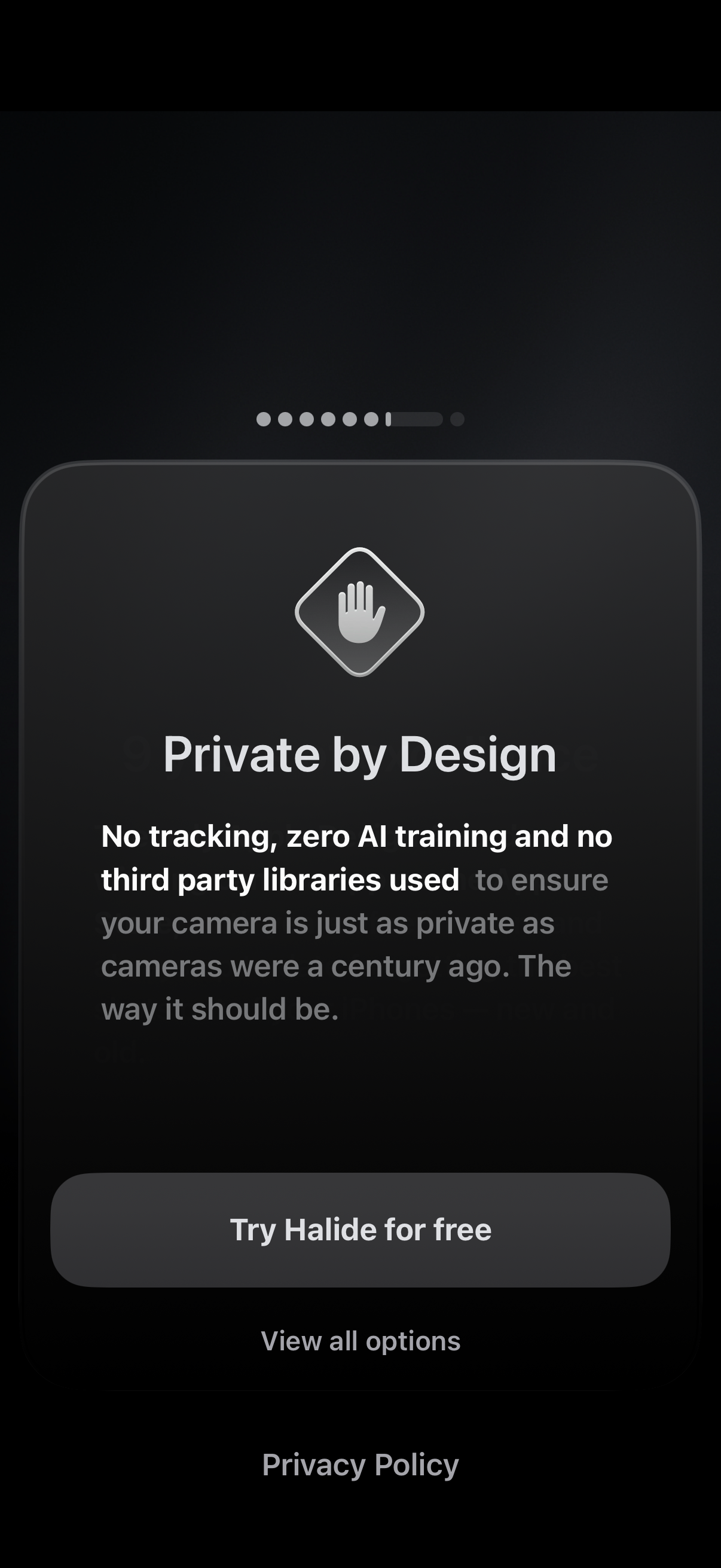
Trial length and framing are genuinely contested, so treat yours as tunable rather than fixed. Real corpus moves in both directions: Apple cut its Apple Music free trial from 3 months to 1 month across nav, hero, and banner [9]; amie replaced its 7-day trial tiers with a Free plan plus a 'FREE DURING BETA' $10 tier, removing payment anticipation entirely [10]. Both are live examples of teams rethinking the trial rather than defaulting to it.
Caveats
The '%trial%' keyword matches any trial mention — length changes, removals, and CTA copy alike — so 517 is broad [11]. The 81-screen retention sample is small, and 'kept it' means no later detected removal on the same canonical screen [12]. Learnings are LLM-inferred, not measured lift.
The numbers
| Stat | Computed from |
|---|---|
| 69 of 81 trial add-screens kept it (85%), 12 removals — highest rollback rate | retention__trial |
| 517 experiments mention trials across 140 companies | tactic_mentions__trial_length |
| 118 added / 41 removed / 22 mixed / 336 other | direction_split__trial |
| 85% is the lowest retention of the five measured tactics | retention__trial vs other retention keys |
| 29 of 29 social-proof add-screens kept it | retention__social_proof |
| 42 of 43 anchoring add-screens kept it | retention__price_anchoring |
| 56 of 58 urgency add-screens kept it | retention__urgency |
| 147 of 162 discount add-screens kept it | retention__discount |
| Apple cut Apple Music free trial from 3 months to 1 month | qualitative: apple-tv+ Apple Music, 2026-07-04 |
| amie replaced 7-day trial tiers with Free + 'FREE DURING BETA' $10 tier | qualitative: amie, 2026-07-04 |
| '%trial%' matches any trial mention, not only length changes | smallSampleWarnings |
| 81-screen sample; retention is a persistence proxy | smallSampleWarnings; retention__trial denominator |
Sources & citations
- [1] Lazyweb Research analysis of 517 detected experiments (140 companies, 1,358 canonical screens), July 2026. Retention computed per canonical screen; a later detected removal counts as a reversal. '%trial%' is a broad match. ↩
- [2] Lazyweb Research analysis of 4,814 detected experiments (362 companies, 1,358 canonical screens), July 2026. Detected before/after UI diffs; learnings are LLM-inferred, not measured A/B outcomes. ↩
Source: Lazyweb Research — proprietary analysis of real, in-market app screens. Cite as Lazyweb Research, 2026-07-07.
Explore the evidence
Related questions
More in Does X work? Tactic-level experiment evidence pages →