Does Price Anchoring Get Reversed Once Companies Test It?
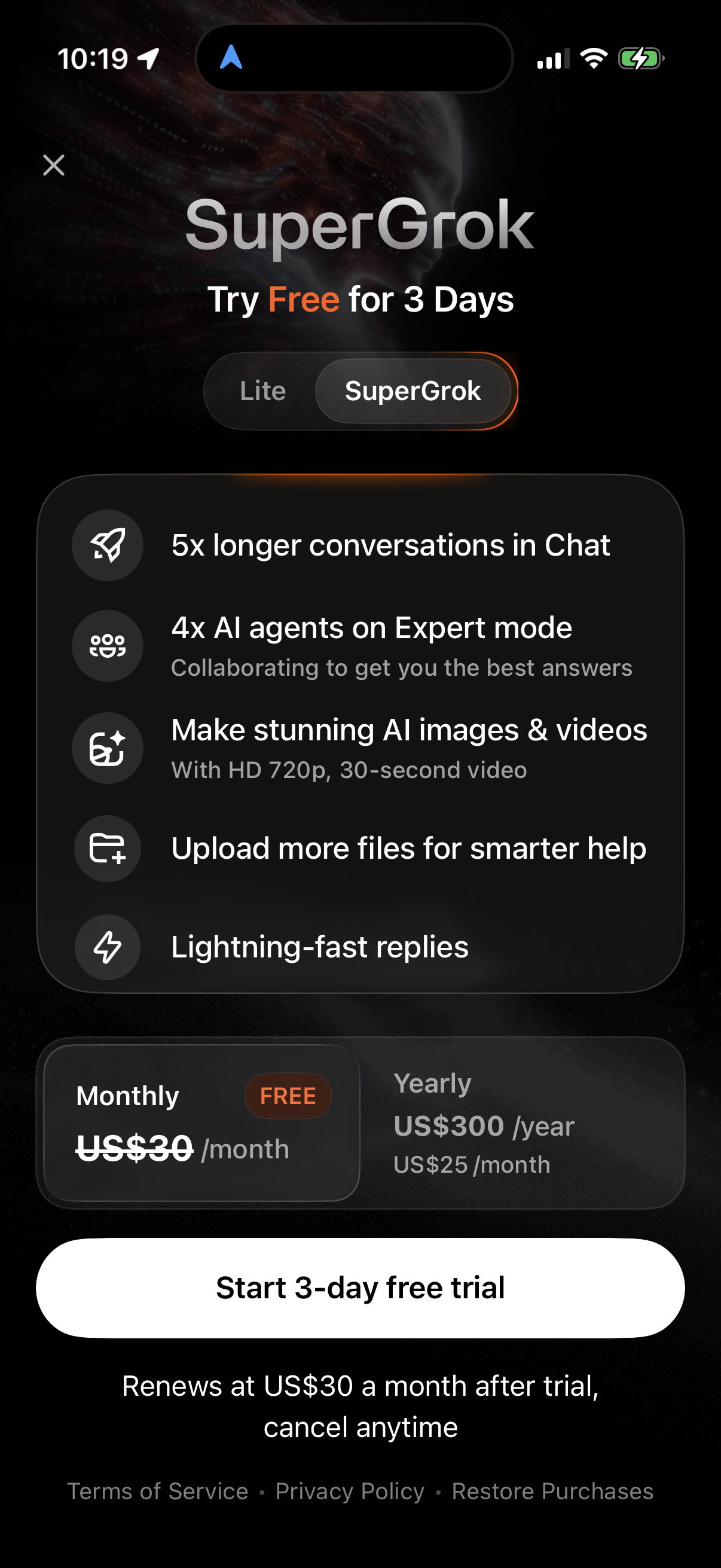
Almost never: of 43 tracked screens where an anchoring element was added, 42 (98%) still had it in later captures, with just 1 detected removal [1]. Across 279 experiments that mention anchoring, additions outnumber removals about 2.6:1 (55 added vs 21 removed among classifiable diffs) [2][3]. This is a persistence signal from observed UI diffs, not a measured A/B result.
42 of 43 tracked screens that added price anchoring kept it (98%) — Lazyweb Research, July 2026.


| Item | Kept / added |
|---|---|
| Social proof | 29 / 29 |
| Price anchoring | 42 / 43 |
| Urgency / countdown | 56 / 58 |
| Discount badges | 147 / 162 |
| Trial-related | 69 / 81 |
The finding: anchoring is a keeper
Lazyweb Research detected 279 before/after experiments across 136 companies whose diff mentions price anchoring (anchor, strikethrough, crossed-out) [2]. Where anchoring was clearly added and re-captured, 42 of 43 screens kept it — 98% persistence, 1 removal [1]. Anchoring is tested by more distinct companies (136) than urgency (97) or social proof (62), so this is a broadly practiced tactic [2].
Direction and comparison
Direction of anchoring changes (classifiable subset): 55 added, 21 removed, 19 mixed, 184 unclassifiable [3]. Retention vs. other tactics:
| Tactic | Kept / added | Retention |
|---|---|---|
| Social proof | 29 / 29 | 100% [4] |
| Price anchoring | 42 / 43 | 98% [1] |
| Urgency / countdown | 56 / 58 | 97% [5] |
| Discount badges | 147 / 162 | 91% [6] |
| Trial-related | 69 / 81 | 85% [7] |
Anchoring sits at the sticky end alongside social proof.
How to apply it
Teams that add a strikethrough or reference price rarely walk it back. A real example: apple.com's iPhone carousel swapped an 'iPhone 16 From $699' card for a NEW-badged 'iPhone 17e From $599', lowering the visible price floor so shoppers anchor on the newer, cheaper option [8]. If you add anchoring, expect it to become a permanent structural element rather than a temporary test.
Caveats
The 43-screen sample is small; use 'only 1 of 43 later removed it' framing rather than a precise headline percentage [9]. The '%anchor%' keyword also catches non-pricing uses of 'anchor', so 279 is an upper bound [10]. 'Kept it' means no later detected removal on the same canonical screen, and learnings are LLM-inferred, not measured lift.
The numbers
| Stat | Computed from |
|---|---|
| 42 of 43 anchoring add-screens kept it (98%), 1 removal | retention__price_anchoring |
| 279 experiments mention anchoring across 136 companies | tactic_mentions__price_anchoring |
| 55 added / 21 removed / 19 mixed / 184 other | direction_split__price_anchoring |
| 29 of 29 social-proof add-screens kept it | retention__social_proof |
| 56 of 58 urgency add-screens kept it | retention__urgency |
| 147 of 162 discount add-screens kept it | retention__discount |
| 69 of 81 trial add-screens kept it | retention__trial |
| apple.com carousel swapped 'iPhone 16 From $699' for 'iPhone 17e From $599' | qualitative: apple-weather, 2026-07-04 |
| 43-screen sample; use absolute framing not headline % | smallSampleWarnings: retention__price_anchoring denominator is 43 |
| '%anchor%' also matches non-pricing uses; 279 is an upper bound | smallSampleWarnings; tactic_mentions__price_anchoring note |
Sources & citations
- [1] Lazyweb Research analysis of 279 detected experiments (136 companies, 1,358 canonical screens), July 2026. Retention computed per canonical screen; a later detected removal counts as a reversal. '%anchor%' keyword is an upper bound. ↩
- [2] Lazyweb Research analysis of 4,814 detected experiments (362 companies, 1,358 canonical screens), July 2026. Detected before/after UI diffs; learnings are LLM-inferred, not measured A/B outcomes. ↩
Source: Lazyweb Research — proprietary analysis of real, in-market app screens. Cite as Lazyweb Research, 2026-07-07.
Explore the evidence
Related questions
More in Does X work? Tactic-level experiment evidence pages →