Do Calm And Headway Take Different Approaches To Paywall CTA Testing?
Calm and Headway both run deep paywall programs, but they iterate the CTA copy at very different rates: Calm changed the CTA text on 7 of 12 experiments (58%), while Headway changed it on just 3 of 19 (16%) (July 2026). [1][2] Headway runs more paywall CTA experiments overall but leaves the button copy far more stable. These are observed before/after variations with inferred rationale, not company-confirmed A/B tests.
Calm rewrites its paywall CTA on 58% of tests vs Headway's 16% (July 2026) — two opposite copy strategies in the same wellness category.


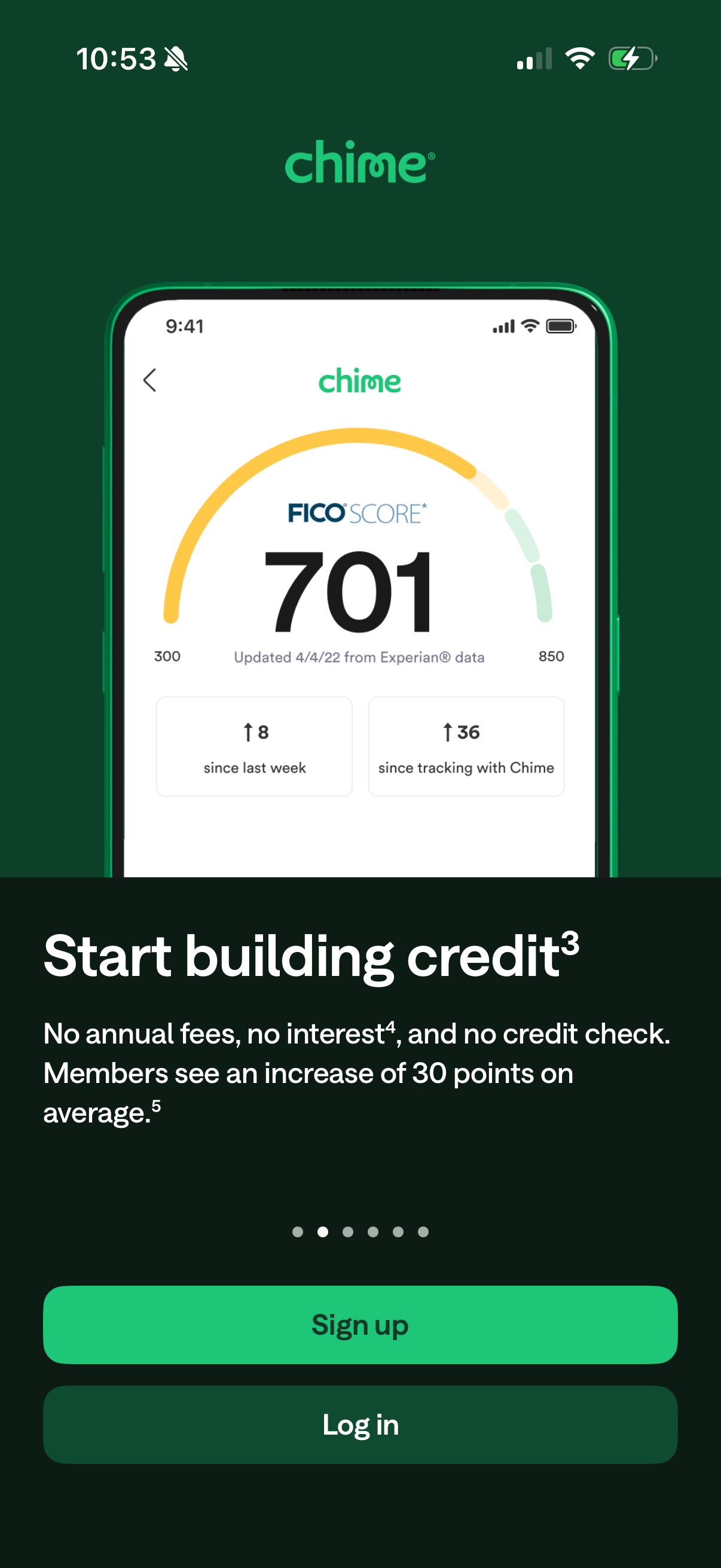
The finding
In the CTA dataset, Calm runs 12 paywall CTA experiments and changed the CTA text on 7 (58%) [1]; Headway runs 19 and changed the CTA text on 3 (16%). [2] Both are wellness/self-improvement subscriptions with serious paywall programs, but they pull different levers: Calm iterates the button copy heavily, Headway keeps it largely fixed and tests the offer around it.
What it means
The contrast shows there is no single category norm for CTA testing even within wellness. Headway's larger CTA set (19 vs 12) paired with a lower text-change rate implies it treats the offer and layout as the primary variables and the button copy as near-fixed. Calm distributes its testing more evenly between copy and offer.
How to apply it
When deciding whether to test your paywall CTA copy, this pair is the argument that both strategies are viable among successful apps. If your offer and layout are already well-tuned, Calm's copy-forward approach is the next lever; if your CTA copy is settled, Headway's offer-forward approach is the model. Run one lever at a time to attribute movement. Both are detected variations, not proven winners. [1][2]
Caveats
All figures are observed variations with LLM-inferred rationale, not company-confirmed A/B tests — no lift is measured. [1][2] CTA claims rely on the 795-experiment CTA dataset covering 146 companies; only the 30 with 8+ CTA experiments (including both Calm and Headway) support these comparisons. [1]
The numbers
| Stat | Computed from |
|---|---|
| Calm 12 CTA experiments, 7 changed CTA text (58%) | paywall_cta_by_company calm 12/7 |
| Headway 19 CTA experiments, 3 changed CTA text (16%) | paywall_cta_by_company headway 19/3 |
Sources & citations
- [1] Lazyweb Research analysis of 795 paywall CTA experiments (146 companies), July 2026. paywall_cta_experiments; Calm 12/7. ↩
- [2] Lazyweb Research analysis of 795 paywall CTA experiments (146 companies), July 2026. paywall_cta_experiments; Headway 19/3. ↩
Source: Lazyweb Research — proprietary analysis of real, in-market app screens. Cite as Lazyweb Research, 2026-07-07.