
Your landing page’s weakest score is Trust.
How FIS (Filibuster / fault injection alternatives) — Gremlin ranks
- 1.
Turmoil (AWS) — replaced by Coroot? (excluded)75
- 2.
Antithesis73
- 3.
FIS (Filibuster / fault injection alternatives) — Gremlin69
- 4.
Workers IO62
- 5.
Jepsen51
Trust
54FairProof that the product is real, competent, and safe to try.
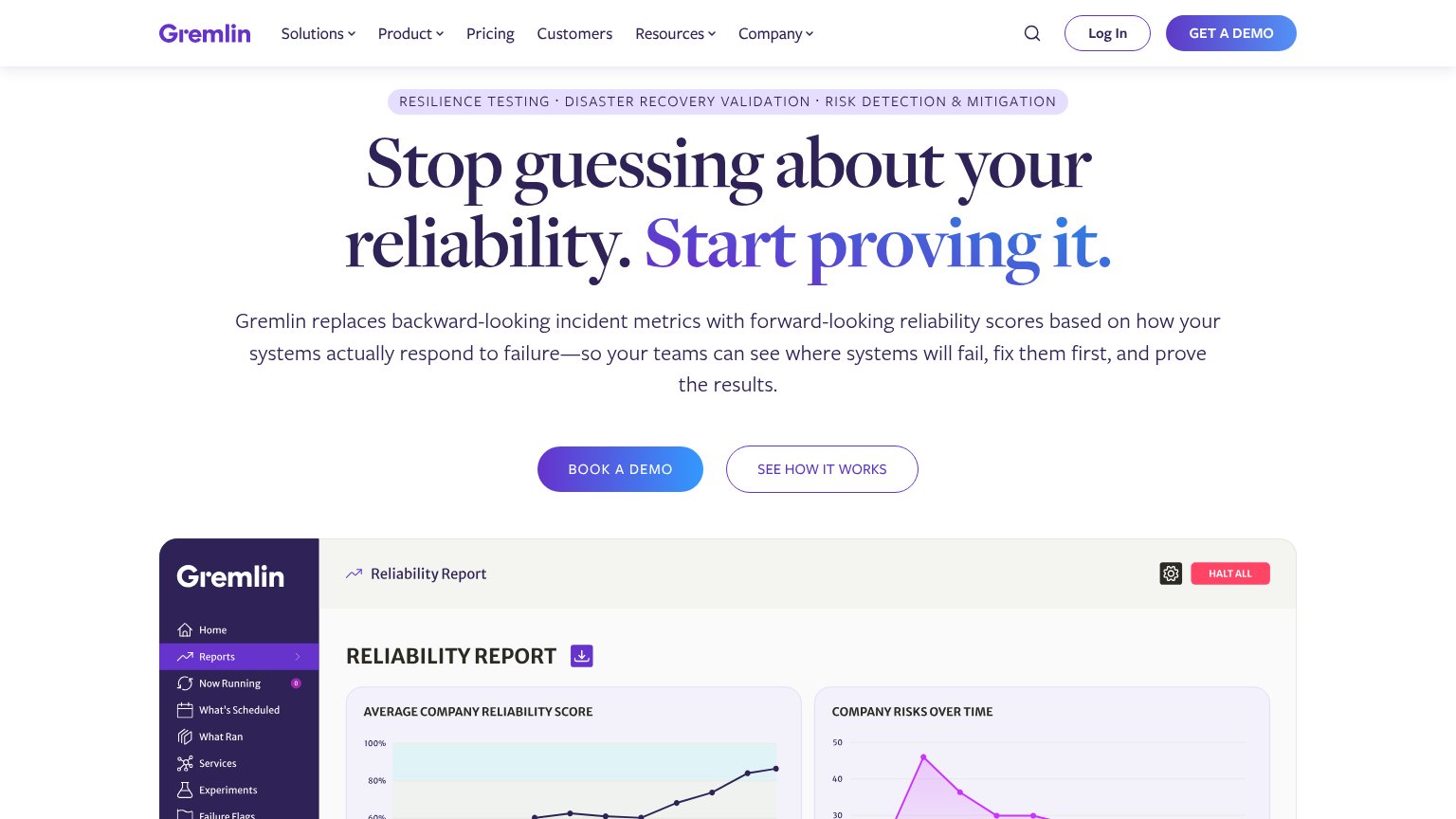
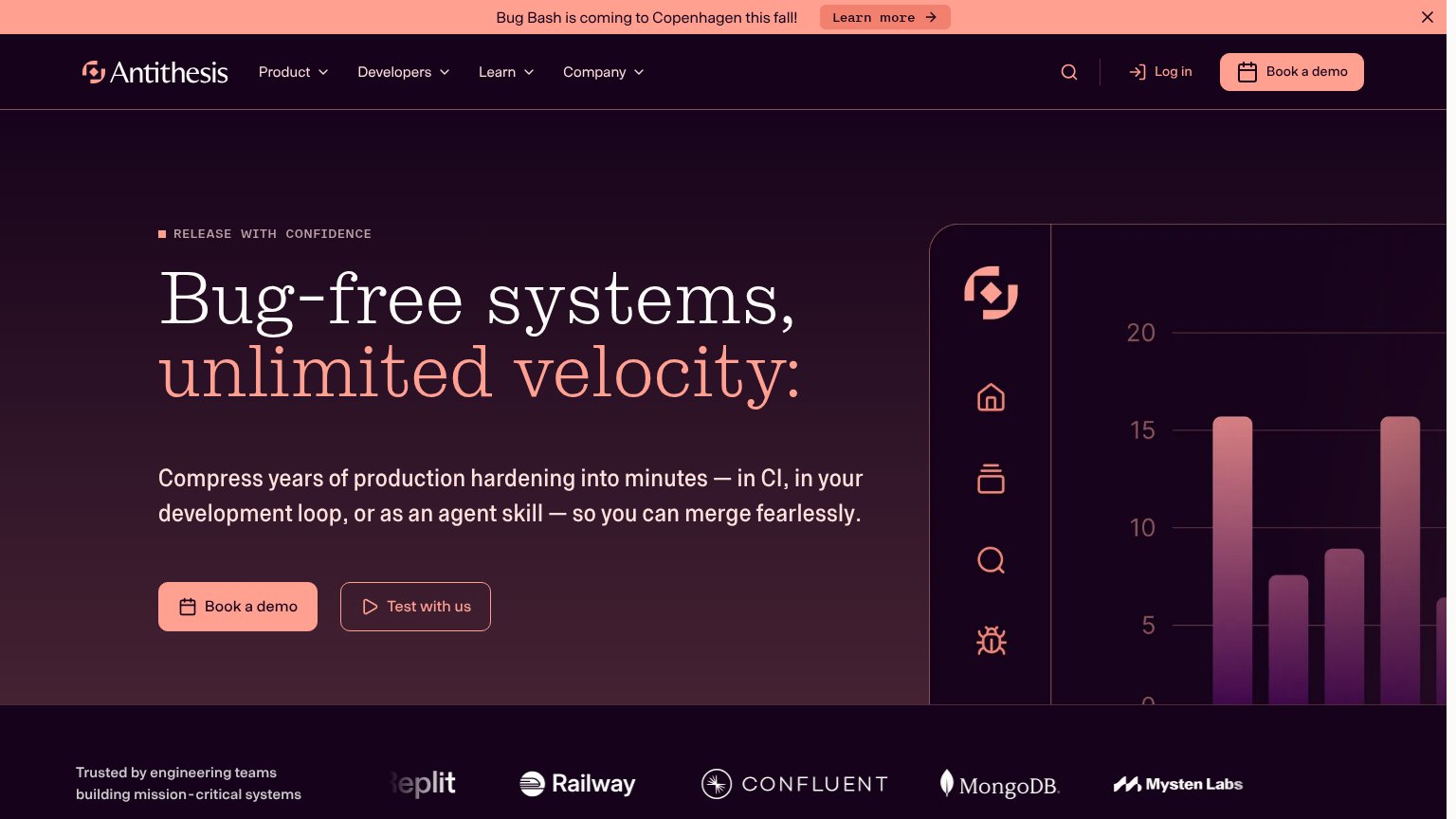
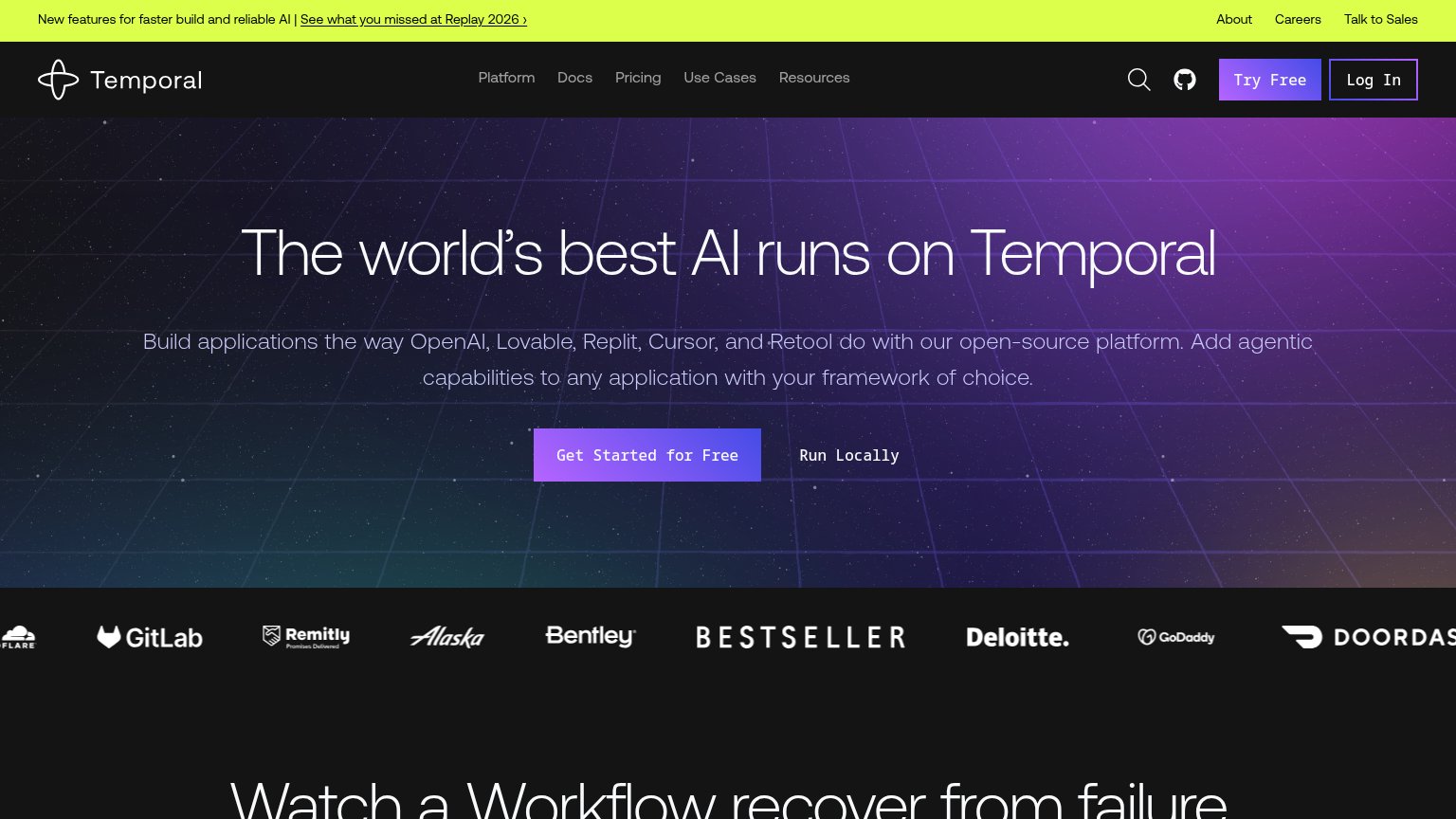
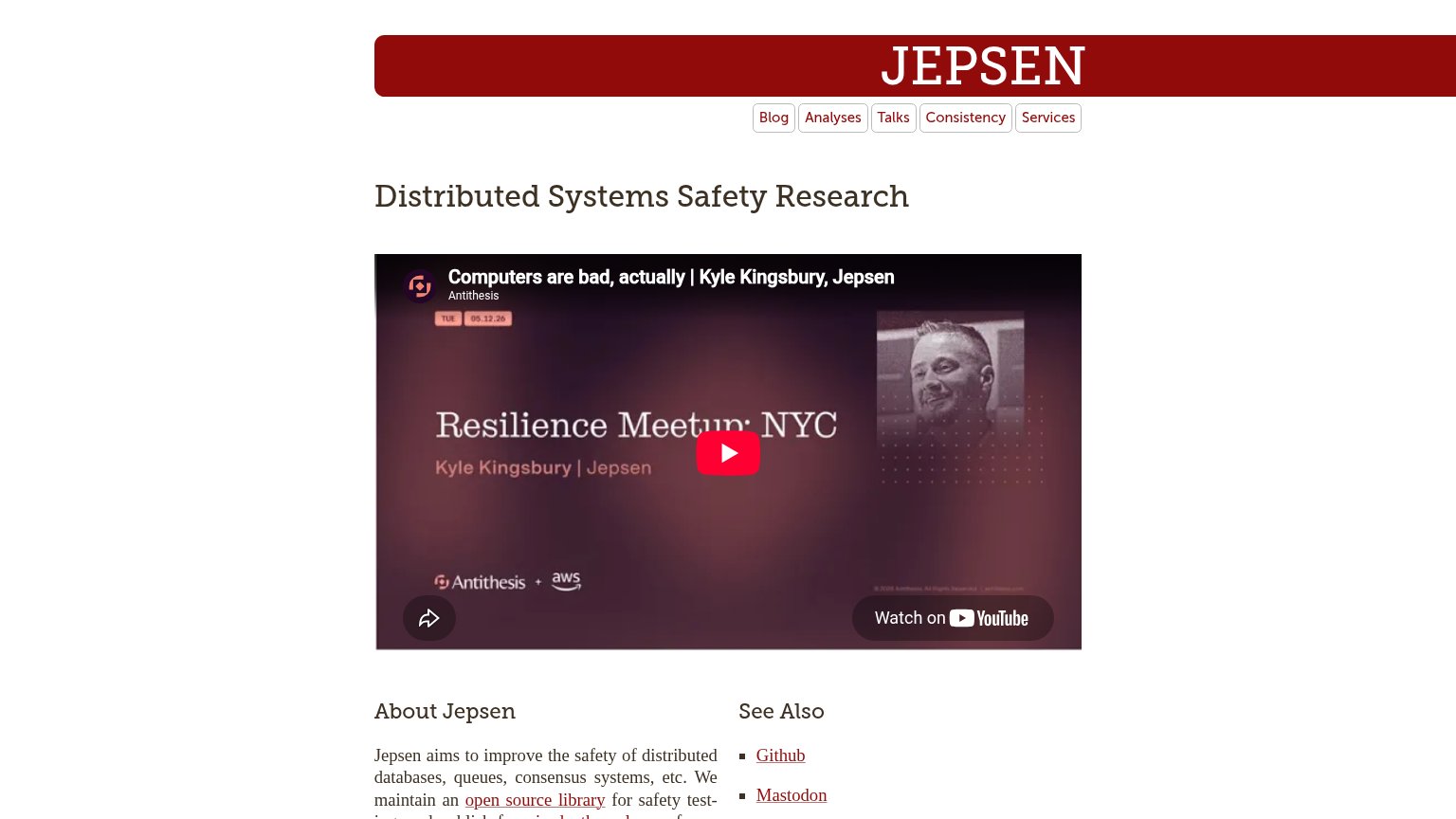
| Trust read | |
|---|---|
| FIS (Filibuster / fault injection alternatives) — Gremlin | "Reliability Report" product dashboard screenshot with Average Company Reliability Score and Company Risks Over Time cha |
| "BACKED BY" Y Combinator investor badge above the headline | |
| Customer logo strip (Replit, Railway, Confluent, MongoDB, Mysten Labs) labeled "Trusted by engineering teams building mi | |
| Embedded talk video "Computers are bad, actually | Kyle Kingsbury, Jepsen" with Antithesis and AWS branding | |
| Customer logo strip (GitLab, Deloitte, GoDaddy, DoorDash, Remitly, Alaska, Bestseller, Bentley) |
Mobile web
62FairThe phone experience as a first-class citizen.
 1234
- BOOK A DEMO button — Primary CTA sits below the fold on mobile — the eight-line body paragraph and tall headline push it out of the first viewport.
- Body paragraph block — Desktop-length copy wraps into eight lines on the phone, burying the CTA and forcing a scroll before any action is reachable.
- Eyebrow badge pill — Three stacked category phrases in tracked-out caps wrap to two dense lines, adding a competing message above the headline.
- BOOK A DEMO width — Button keeps desktop proportions instead of going near-full-bleed, shrinking the thumb target.
CTA
70FairCopy, size, verb, cost-feel — does the primary CTA earn the click?
How FIS (Filibuster / fault injection alternatives) — Gremlin compares
Recommended rewrites
Information hierarchy
76FairDoes the design help or inhibit what the page is trying to say?
What works
What to improve
Value props
82StrongTitle, subtitle, hero — do they sell the product's true value?
FIS (Filibuster / fault injection alternatives) — Gremlin’s headline
Stop guessing about your reliability. Start proving it.
Gremlin replaces backward-looking incident metrics with forward-looking reliability scores based on how your systems actually respond to failure—so your teams can see where systems will fail, fix them first, and prove the results.
Working
Could improve