What do click-to-cancel flows look like screen by screen in the field?
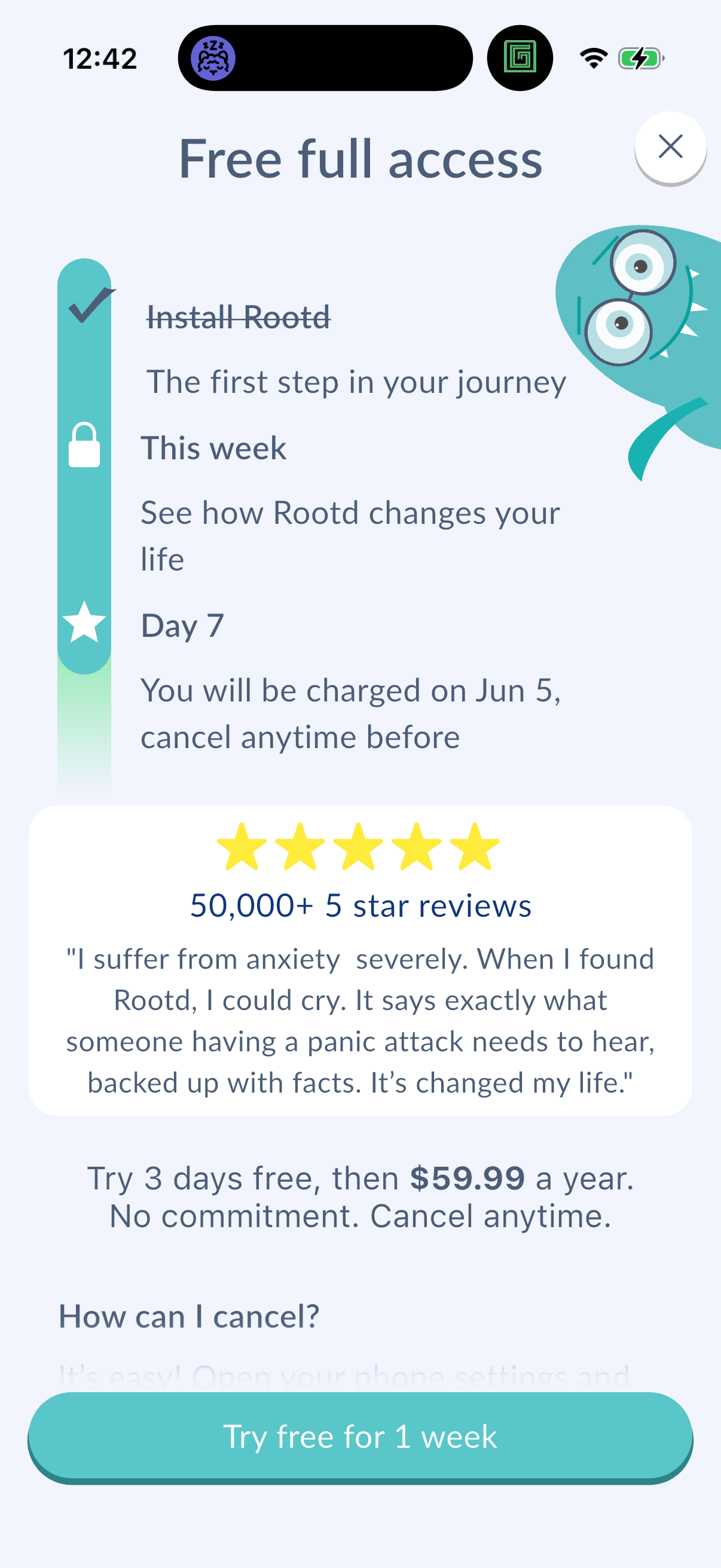
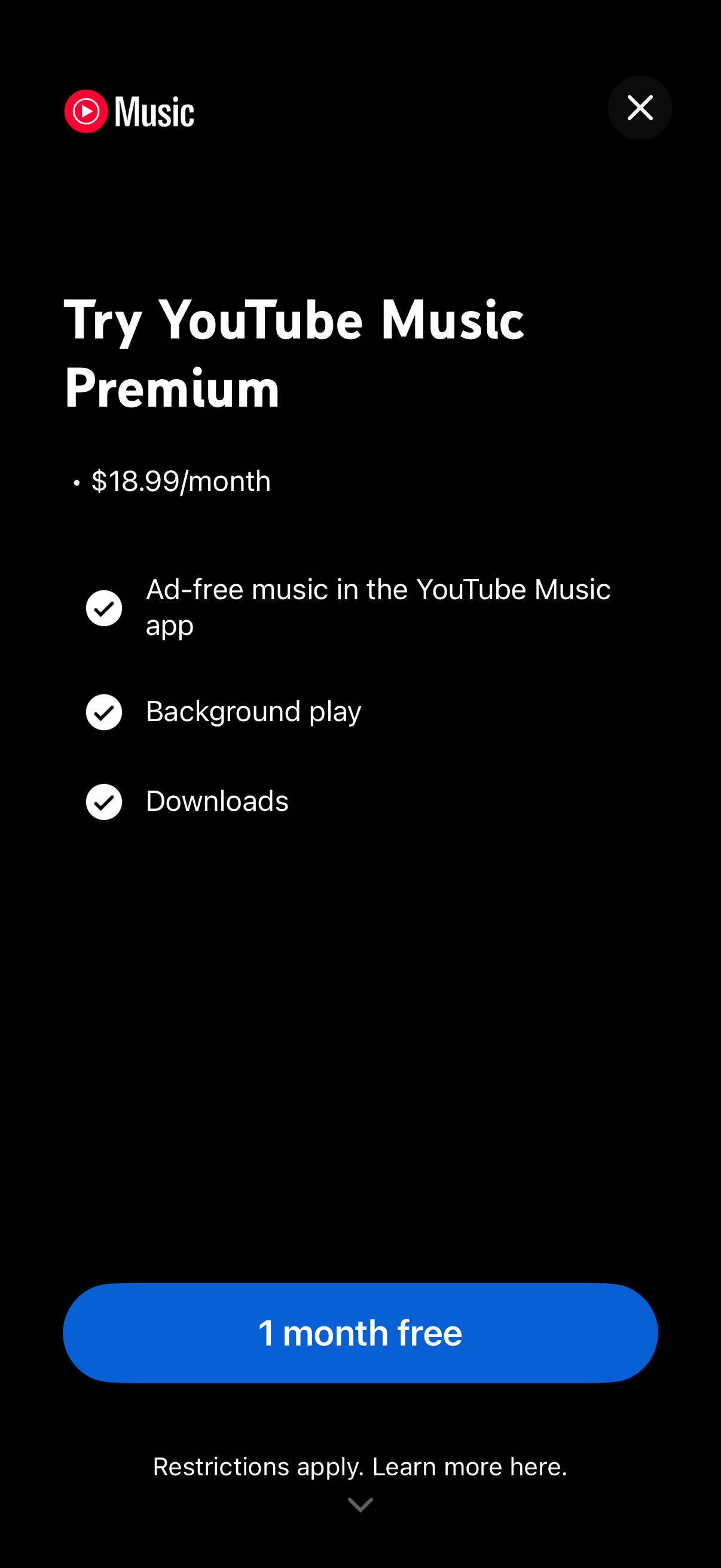
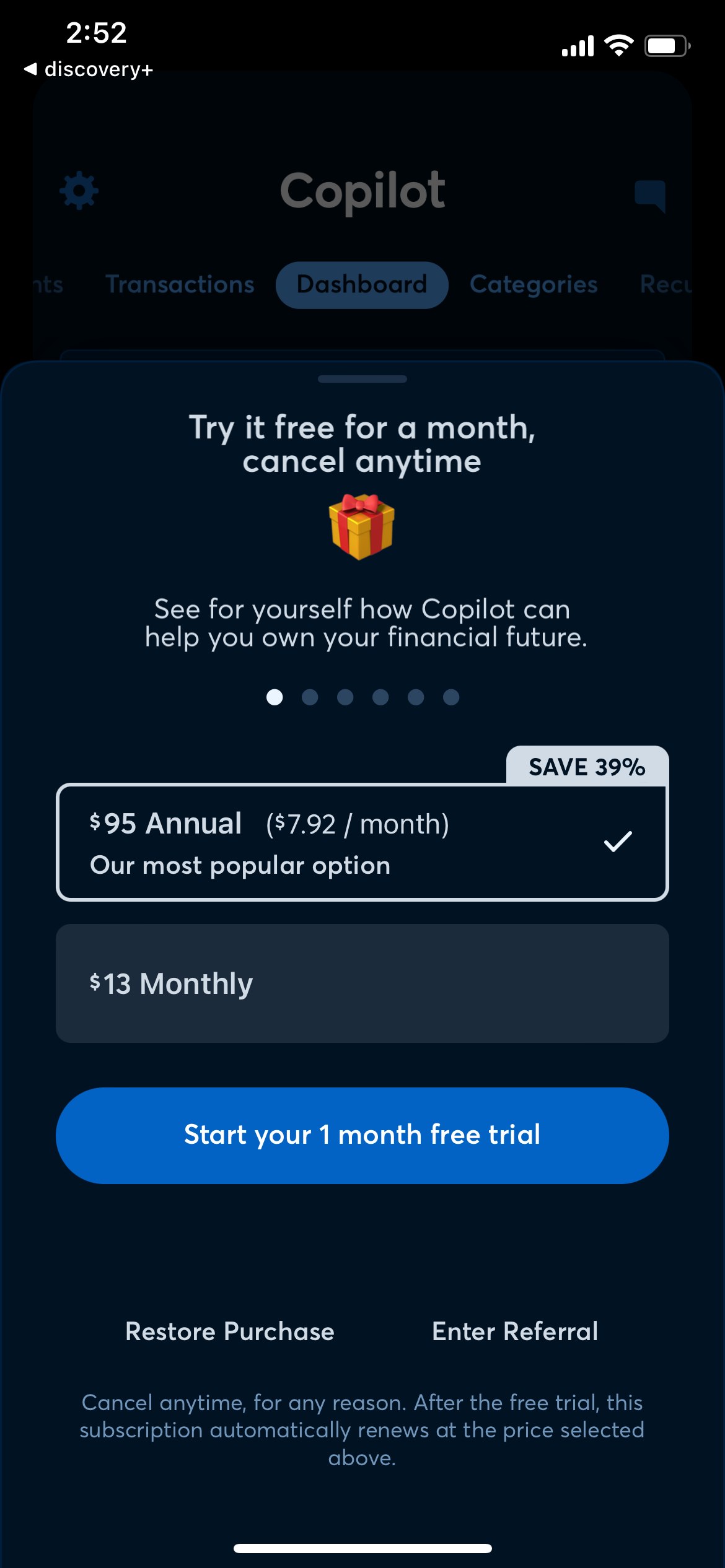
Across 48 apps with genuine cancel-intent screens, the observed building blocks are a confirmation step (12 apps, 25%), a keep/stay retention CTA (10 apps, 21%), a discount offer (30 apps, 63%), and — rarely — a reason survey (2 apps, 4%) [1][2][3][4]. A common named pattern (Instacart+) stacks loss-aversion warning, reason survey, and a 'remind me later' deferral before the primary cancel button [5].
Confirmation step in 25% of apps, keep/stay CTA in 21%, discount in 63% of 48 cancel-flow apps, July 2026.

| Item | Share |
|---|---|
| Discount / offer | 63% [1] |
| Confirm / 'are you sure' step | 25% [2] |
| Keep / stay retention CTA | 21% [3] |
| Reason survey | 4% [4] |
The observed screen components
| Component | Apps (of 48) | Share |
|---|---|---|
| Discount / offer | 30 | 63% [1] |
| Confirm / 'are you sure' step | 12 | 25% [2] |
| Keep / stay retention CTA | 10 | 21% [3] |
| Reason survey | 2 | 4% [4] |
Discount is the most common element; a confirmation step and a keep/stay CTA appear in roughly a quarter and a fifth of apps respectively [1][2][3].
A representative sequence
Instacart+'s cancellation confirmation combines three tactics on one screen: a loss-aversion warning ('you'll lose benefits on [date]'), a reason survey (radio options plus free text), and a 'remind me later' deferral, before the primary 'Yes, cancel membership' [5]. DoorDash shows a survey-first variant: a single-select reason list gates progression [6]. These illustrate how confirmation, survey, and retention CTA compose into the ~3-screen median depth.
How to apply it (and the compliance angle)
The cancel action itself is typically de-emphasized — across cancel/keep/pause/resubscribe CTAs, 40 are styled dismiss and 18 secondary versus only 7 primary [7]. If you are aiming for compliance, keep the actual cancel affordance reachable rather than buried in dismiss styling. DoorDash's own A/B made the reason button easier to progress (grayed-out → solid), a completion-friendly direction [8]. Lead with observed prevalence, not compliance advice — but note the field trend is toward easing, not obstructing, the cancel path.
The numbers
| Stat | Computed from |
|---|---|
| 30 of 48 apps (63%) show discount/offer language on cancel screens | save_offer_offer_language |
| 12 of 48 apps (25%) show a confirm/'are you sure' step | confirmation_dialog |
| 10 of 48 apps (21%) show a keep/stay retention CTA | keep_stay_cta |
| 2 of 48 apps (4%) show a reason survey | cancellation_survey_prevalence |
| Instacart+ stacks loss-aversion warning, reason survey, 'remind me later' deferral | qualitative / instacart cancel-flow-screen |
| DoorDash single-select reason list gates progression | qualitative / doordash cancel-flow-screen |
| Cancel/keep/pause/resubscribe CTA roles: 40 dismiss, 18 secondary, 7 primary | cancel_flow_cta_roles |
| DoorDash A/B eased reason button from grayed-out to solid red | qualitative / doordash experiment |
Sources & citations
- [1] Lazyweb Research analysis of 48 apps (genuine cancel-intent screens), July 2026. Company-level presence of confirmation, keep/stay, discount, and survey elements. ↩
- [2] Lazyweb Research analysis of 401 cancel-intent screenshots (48 apps), July 2026. Instacart+ and DoorDash named cancel-flow vision descriptions. ↩
- [3] Lazyweb Research analysis of 78 cancel/keep/pause CTA buttons (paywall universe), July 2026. CTA role split showing cancel actions skew dismiss/secondary. ↩
Source: Lazyweb Research — proprietary analysis of real, in-market app screens. Cite as Lazyweb Research, 2026-07-07.