How Do Apps Add Social Proof Near the Paywall CTA When They Rewrite It?
Across 795 detected before/after paywall CTA changes tracked by Lazyweb Research, 33 (4%) touched social proof near the button — testimonials, star ratings, review banners, or trusted-by counts — spread across 22 companies.[1][2] It is one of the smaller rewrite themes, well behind price display (381) and trial wording (249), so treat it as a targeted lever rather than a default. These are detected UI diffs with inferred rationale, not measured A/B lift.[3]
33 of 795 detected paywall CTA changes (4%), across 22 companies, added or reworked social proof near the button — Lazyweb Research, July 2026.

The finding
Of 795 detected paywall CTA before/after changes, 33 mention social proof near the CTA — testimonials, reviews, ratings, or trusted-by framing — across 22 distinct companies.[1][2] That is about 4% of all detected changes, making it the second-smallest named theme ahead only of cancel-anytime reassurance copy (18).[4] For comparison, price display shows up in 381 changes and trial wording in 249.[5][6] Social proof is a deliberate, occasional move, not a house style most apps reach for when iterating the button.
Two observed patterns
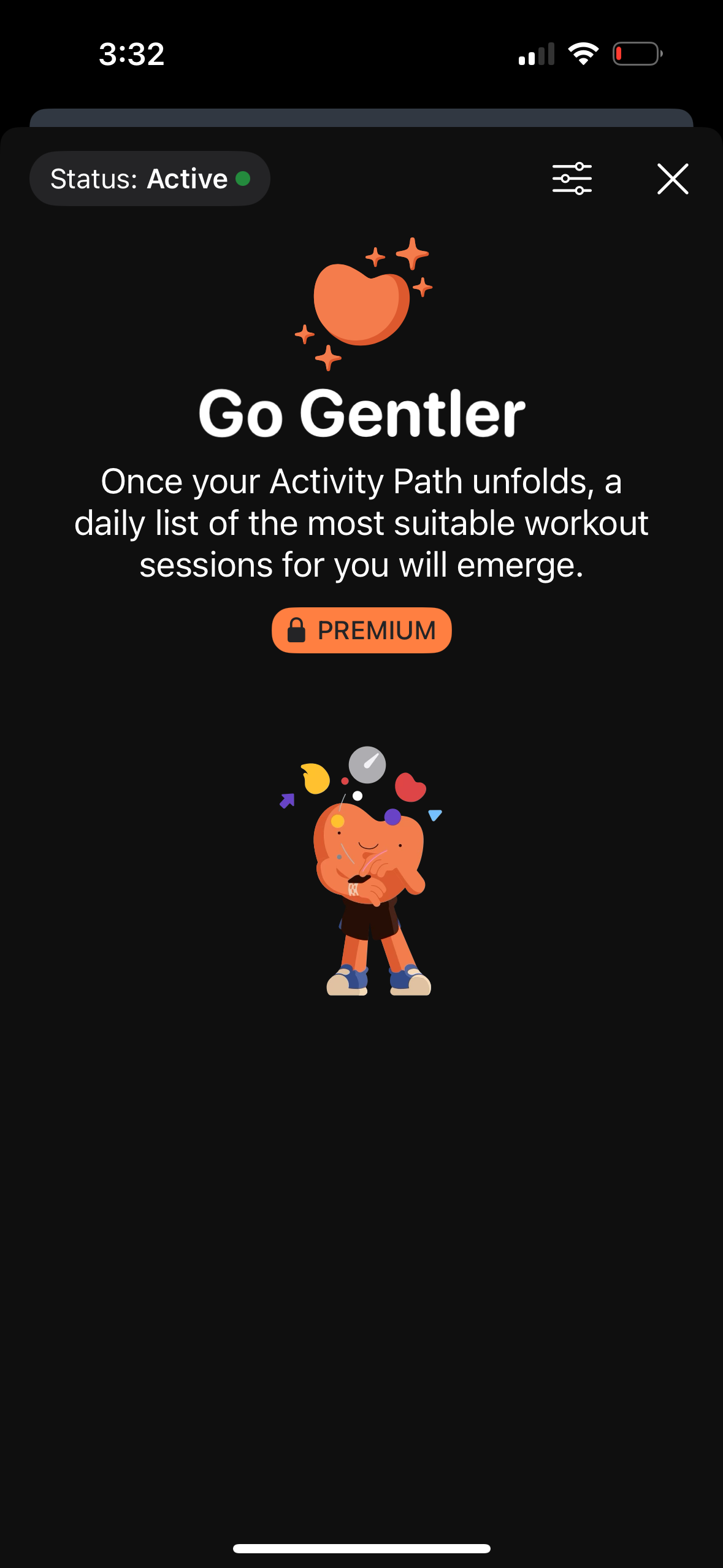
The detected examples cluster into two shapes. First, adding proof alongside a trial-framed CTA: Rootd (health & fitness) moved from a plain 'Continue' button with strikethrough $79.99 pricing to 'Free full access' plus a 5-star review banner and a 'Try free for 1 week' CTA.[6] Second, swapping the type of proof: Gentler replaced testimonial quotes with a current Apple Design Award badge and benefit-led hero copy, keeping the 'Start FREE Trial' button.[7] The through-line is that social proof usually rides alongside a benefit or trial reframe of the button, not on its own.
How to apply it
If you are testing social proof near your paywall CTA, the corpus suggests pairing it with a clearer benefit or trial framing rather than shipping a review banner in isolation — both observed examples did exactly that.[6][7] Because only 33 changes across 22 companies touched this lever, there is no dominant 'winning' format to copy; ratings banners, award badges, and testimonial swaps all appear. Decide based on which proof you can show credibly.
Caveats
At 33 rows this theme clears the n≥8 reporting floor but is thin; the two named companies (Rootd, Gentler) illustrate patterns rather than prove them.[3] Theme classification is regex over LLM-inferred change text, so counts are approximate, and every row is a detected UI diff with inferred rationale — never a measured conversion result.[3]
The numbers
| Stat | Computed from |
|---|---|
| 795 detected paywall CTA changes | headline_total_detected_cta_changes |
| 33 changes / 22 companies mention social proof near CTA (4%) | theme_social_proof |
| 381 changes mention price display | theme_price_display |
| 249 changes mention trial wording | theme_trial_wording |
| 18 changes mention reassurance copy | theme_reassurance |
| Rootd before 'Continue' → after 'Try free 1 week' with 5-star review banner | qualitative.social proof near CTA.rootd |
| Gentler swapped testimonial for Apple Design Award badge, kept 'Start FREE Trial' | qualitative.social proof near CTA.gentler |
Sources & citations
- [1] Lazyweb Research analysis of 795 detected paywall CTA changes (146 companies in the ~800-tracked-app mobile corpus), July 2026. paywall_cta_experiments table; 100% of rows carry what_changed and learning text. Social-proof theme = 33 rows / 22 companies by regex over LLM-inferred change text. ↩
- [2] Lazyweb Research analysis of 33 social-proof paywall CTA changes (22 companies), July 2026. Detected UI diffs, not measured A/B outcomes. Named examples Rootd and Gentler drawn from the qualitative sample. ↩
Source: Lazyweb Research — proprietary analysis of real, in-market app screens. Cite as Lazyweb Research, 2026-07-07.
Explore the evidence
Related questions
More in How apps rewrite paywall CTAs (before/after experiment pages) →