Should your evergreen paywall carry a discount by default?
Probably not as a standing default: 89.2% of primary paywall CTAs (1,683 of 1,886) carry no discount, and two-thirds of tracked paywall companies (172 of 252) run no detected discount paywall at all.[1][2] Discounting is a targeted play — a third of apps use it somewhere, but almost always on specific surfaces, not the evergreen wall.[2] Keep the default clean and reserve discounts for triggered moments.
89.2% of primary paywall CTAs (1,683 of 1,886) carry no discount — the default paywall is full-price — Lazyweb Research, July 2026.
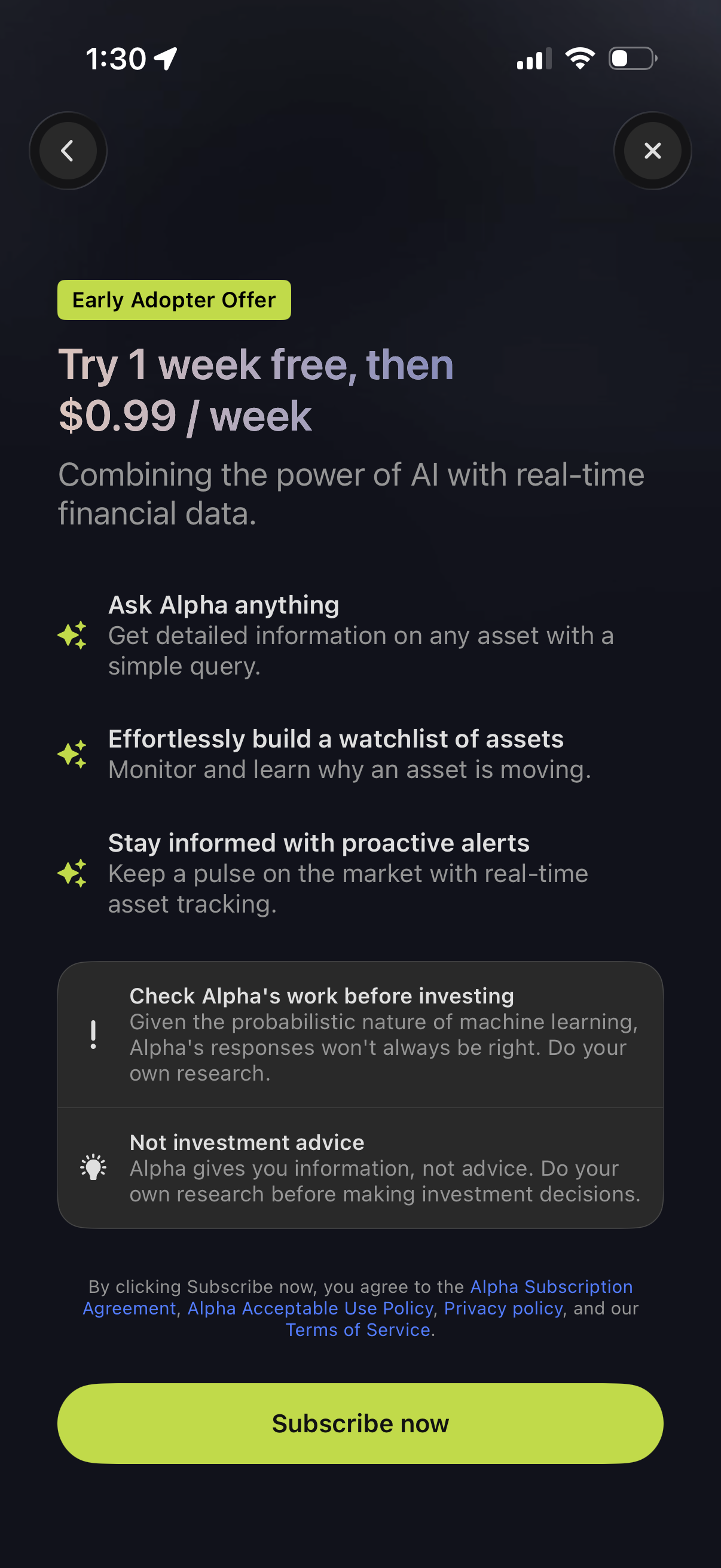
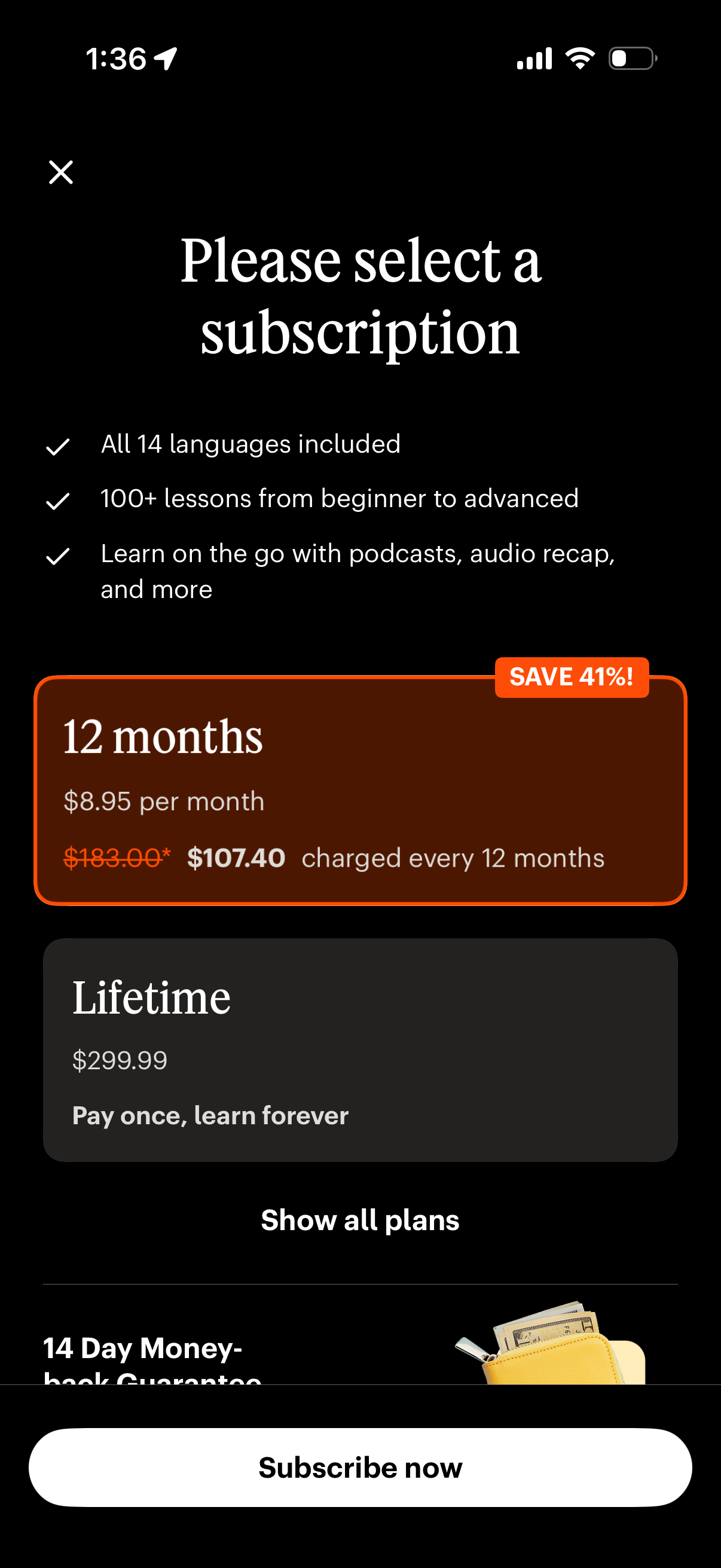
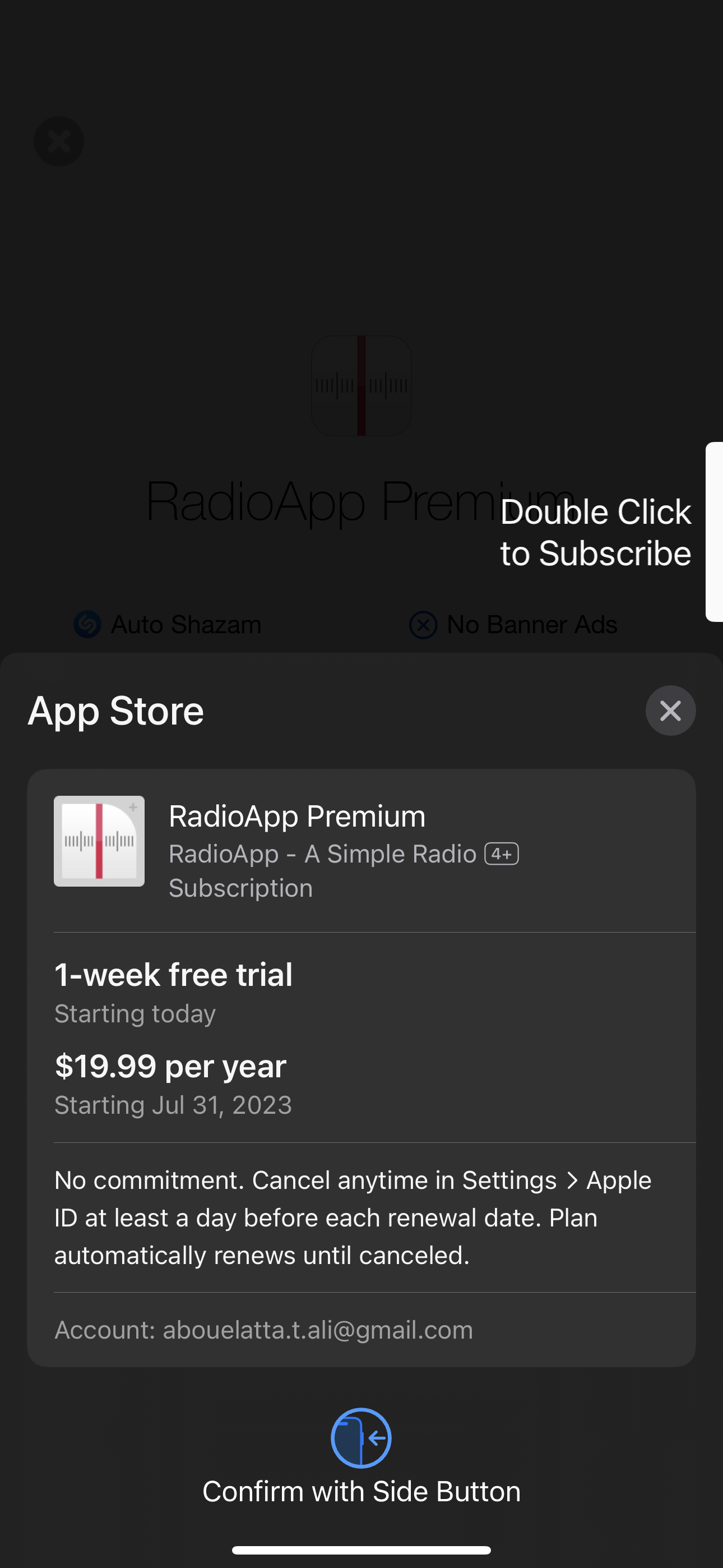
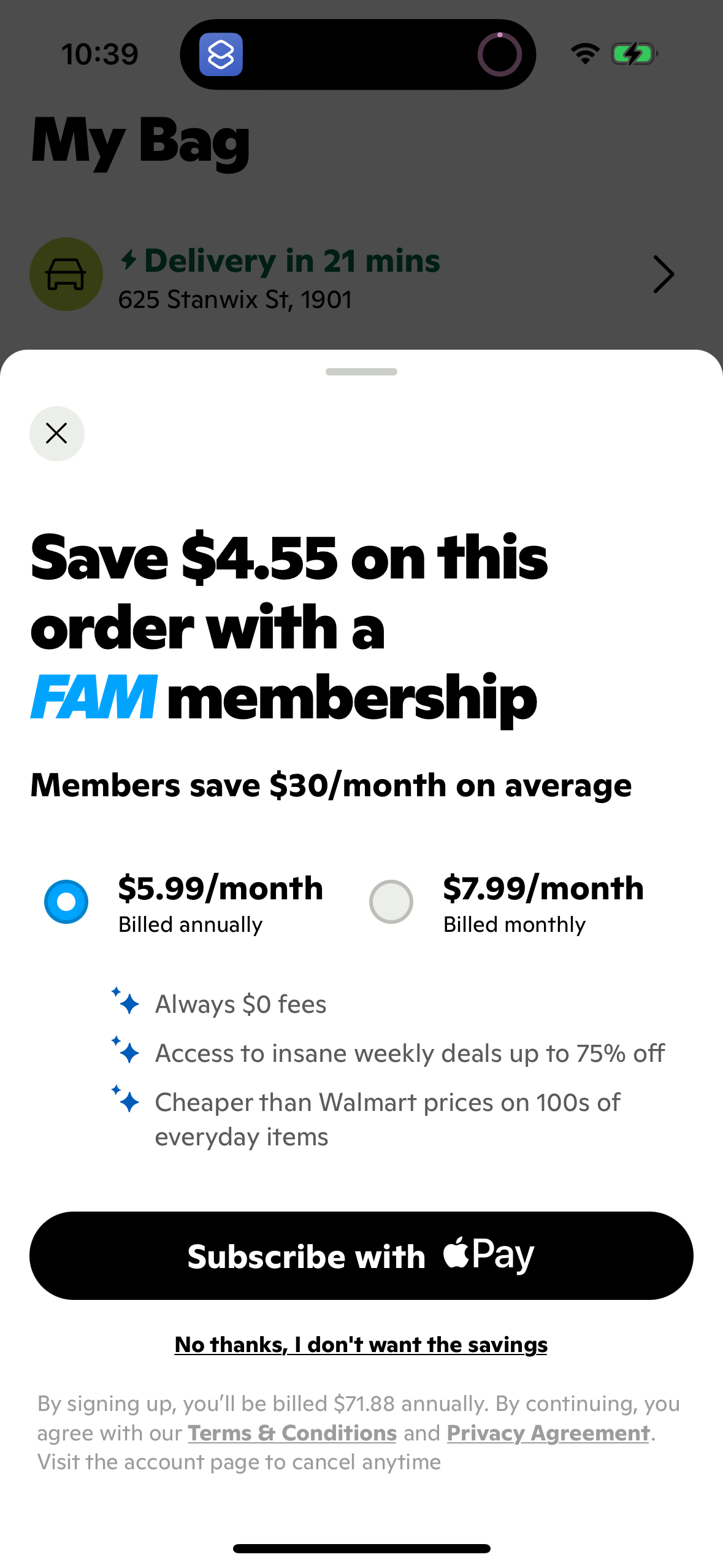
The finding: the default is full price
The main purchase button is overwhelmingly full-price. Only 10.8% of primary CTAs (203 of 1,886) carry a discount, so 89.2% (1,683) don't.[1] At the company level, 172 of 252 tracked paywall companies (68.3%) run no detected discount paywall at all.[2]
| View | No discount | Discount |
|---|---|---|
| Primary CTAs (1,886) | 89.2% (1,683) | 10.8% (203) |
| Companies (252) | 68.3% (172) | 31.7% (80) |
Discounting is the exception on the default surface, not the rule.
How to apply it
Keep your evergreen paywall full-price and reserve discounts for triggered contexts — post-trial expiry (Headway), reactivation (LinkedIn), second-chance modals (Loona), and seasonal campaigns (Wattpad).[3] This preserves ARPU on your highest-intent traffic while keeping the discount lever meaningful for the moments where hesitation is real. Utility categories reinforce this: Productivity, Reference, and Medical show essentially zero discount paywalls and monetize via trials instead.[4] If you make discounting your default, you risk training users to expect the lower price and eroding your anchor.
Caveats
Keyword detection undercounts purely visual discounts, so the true discount share on primary CTAs is somewhat above 10.8% — but even generously adjusted, full-price dominates.[1] The 68.3% no-discount company figure is over the 252-company paywall denominator, not all tracked apps.[2] This is a prevalence argument, not a lift measurement: the corpus shows what apps do, not what maximizes revenue for your specific product.
The numbers
| Stat | Computed from |
|---|---|
| 10.8% of primary CTAs (203 of 1,886) carry a discount; 89.2% (1,683) do not | primary_cta_discount_rate |
| 80 of 252 companies (31.7%) run a discount paywall; 172 of 252 (68.3%) run none | discount_companies_denominator |
| Headway post-trial 'Continue 50% off'; LinkedIn 'Reactivate Premium: 50% Off'; Loona 'Secret deal — 40% off' | named_discount_example_headway |
| Productivity 0 of 260 discount CTAs; Reference 0 of 124; Medical 0 of 31 | discount_by_category_productivity_zero |
Sources & citations
- [1] Lazyweb Research analysis of 1,886 primary paywall CTAs (252 tracked companies), July 2026. Discount vs no-discount split on primary (main-button) CTAs. ↩
- [2] Lazyweb Research analysis of 252 tracked mobile-app paywall companies, July 2026. Companies running at least one detected discount paywall vs none. ↩
- [3] Lazyweb Research analysis of 4,406 paywall CTAs (252 tracked paywall companies), July 2026. Named triggered-discount examples: Headway post-trial, LinkedIn reactivation, Loona second-chance. ↩
- [4] Lazyweb Research analysis of Productivity (260), Reference (124), Medical (31) paywall CTAs, July 2026. Utility categories with effectively zero discount paywalls. ↩
Source: Lazyweb Research — proprietary analysis of real, in-market app screens. Cite as Lazyweb Research, 2026-07-07.