Should You Add or Remove a Discount Badge? What Companies Actually Do When They Iterate?
Among the discount-touching experiments Lazyweb Research could classify by direction, 238 added a discount versus 68 that removed one — roughly 3.5 additions per removal.[1] Discounts are the most-touched tactic overall, with 1,133 detected experiments across 222 companies.[2] But 792 of those rows could not be cleanly classified, so read the ratio as 'of the classifiable changes.'
Companies added a discount 238 times versus removing it 68 times among classifiable discount experiments — a 3.5:1 add-to-remove ratio (Lazyweb Research, July 2026, n=1,133).


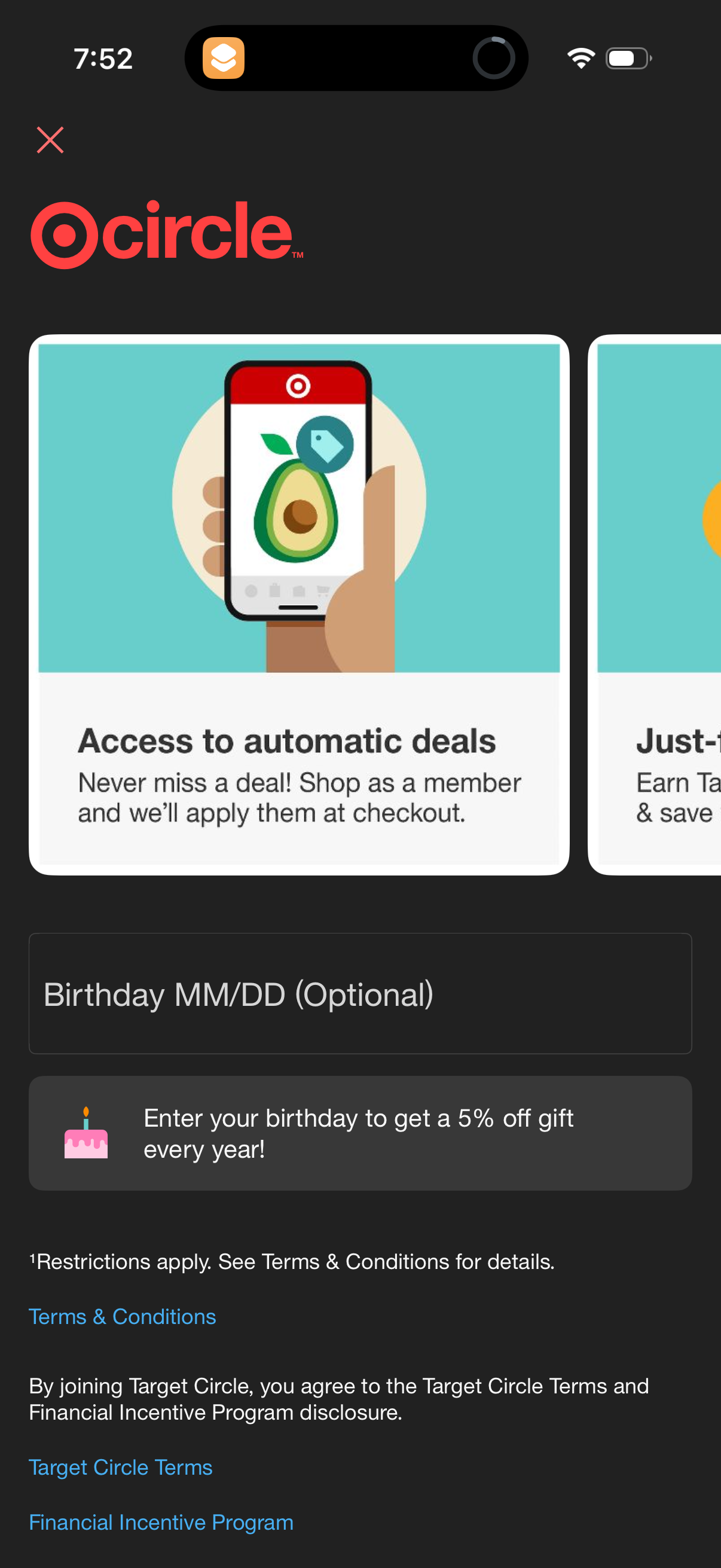
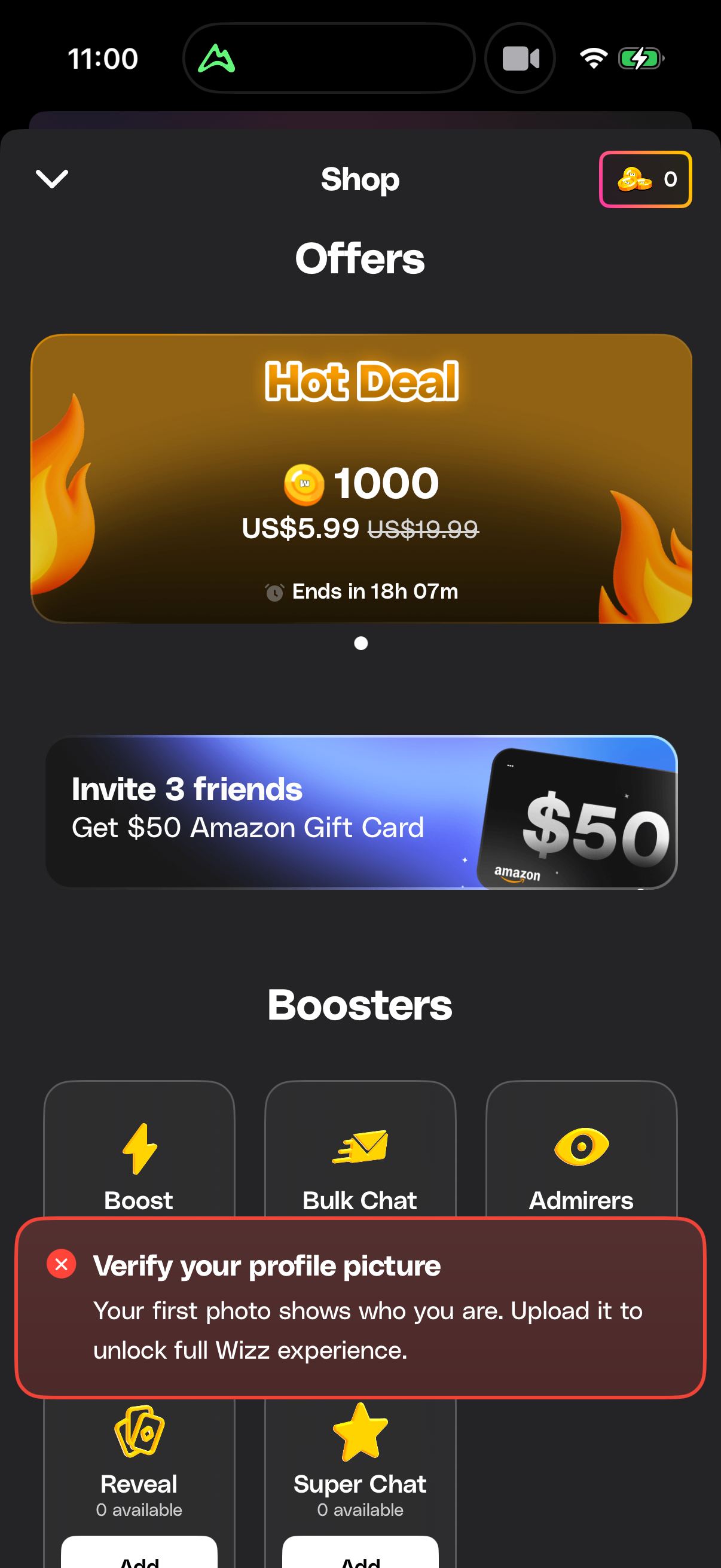
The finding: additions dominate, but removals happen
Of 1,133 discount-touching experiments across 222 companies, Lazyweb could classify direction on 341 (238 added, 68 removed, 35 mixed); the other 792 were 'changed/other.'[1][2] The add-to-remove ratio among classifiable rows is about 3.5:1. Discounts are the single most-touched tactic in the corpus (1,133 of 4,814 experiments, 24%),[2][3] which tells you the lever is heavily worked — not that adding always wins.
When removal shows up
The clearest removal example in the corpus is Cartesia, which stripped its monthly/yearly toggle and its yearly-default 'SAVE 20%' badge, re-anchoring on monthly pricing.[4] The inferred rationale: developers want low-commitment entry, so killing the billing toggle removes a decision before plan selection. Removals cluster where the discount was tied to an annual-commitment framing that the company decided was friction, not incentive.
How to apply it
Use the 3.5:1 ratio as a weak prior, not a mandate. If your discount is a straightforward 'save X% on annual,' peers overwhelmingly add and keep it (91% of 162 added-discount screens kept it).[5] If the discount is bundled into a billing toggle that adds a decision step, the removal camp — led by developer-audience products — is a real minority worth studying.
Caveats
Direction is a keyword heuristic over what_changed + learning; 70% of discount rows (792/1,133) could not be classified, so both numbers are shown for honesty.[1] The '%save %' pattern also over-matches. These are observed UI diffs with inferred rationale, not measured lifts.
The numbers
| Stat | Computed from |
|---|---|
| 238 added / 68 removed / 35 mixed / 792 unclassified | direction_split__discount |
| 1,133 discount-touching experiments across 222 companies | tactic_mentions__discount_badges |
| 4,814 total detected experiments (discounts = 24%) | total_detected_experiments; 1133/4814 |
| Cartesia removed its yearly-default 'SAVE 20%' toggle | qualitative: discount badges, cartesia, 2026-07-04 |
| 147 of 162 added-discount screens (91%) kept it | retention__discount |
Sources & citations
- [1] Lazyweb Research analysis of 4,814 detected experiments (362 companies, mobile-app corpus), July 2026. Direction heuristic: 238 added / 68 removed / 35 mixed / 792 unclassified among discount-touching rows. ↩
- [2] Lazyweb Research analysis of 4,814 detected experiments (362 companies, mobile-app corpus), July 2026. 1,133 discount-touching experiments across 222 distinct companies. ↩
- [3] Lazyweb Research analysis of 4,814 detected experiments (362 companies, mobile-app corpus), July 2026. Discounts are 1,133 of 4,814 total detected experiments (24%). ↩
- [4] Lazyweb Research analysis of 4,814 detected experiments (362 companies, mobile-app corpus), July 2026. Cartesia (2026-07-04) removed the billing toggle and yearly-default discount. ↩
- [5] Lazyweb Research analysis of 4,814 detected experiments (362 companies, mobile-app corpus), July 2026. Retention proxy: 147 of 162 screens where a discount was added kept it in later captures. ↩
Source: Lazyweb Research — proprietary analysis of real, in-market app screens. Cite as Lazyweb Research, 2026-07-07.
Explore the evidence
Related questions
More in Does X work? Tactic-level experiment evidence pages →