Do Companies That Add Discount Badges to Their Paywall Keep Them?
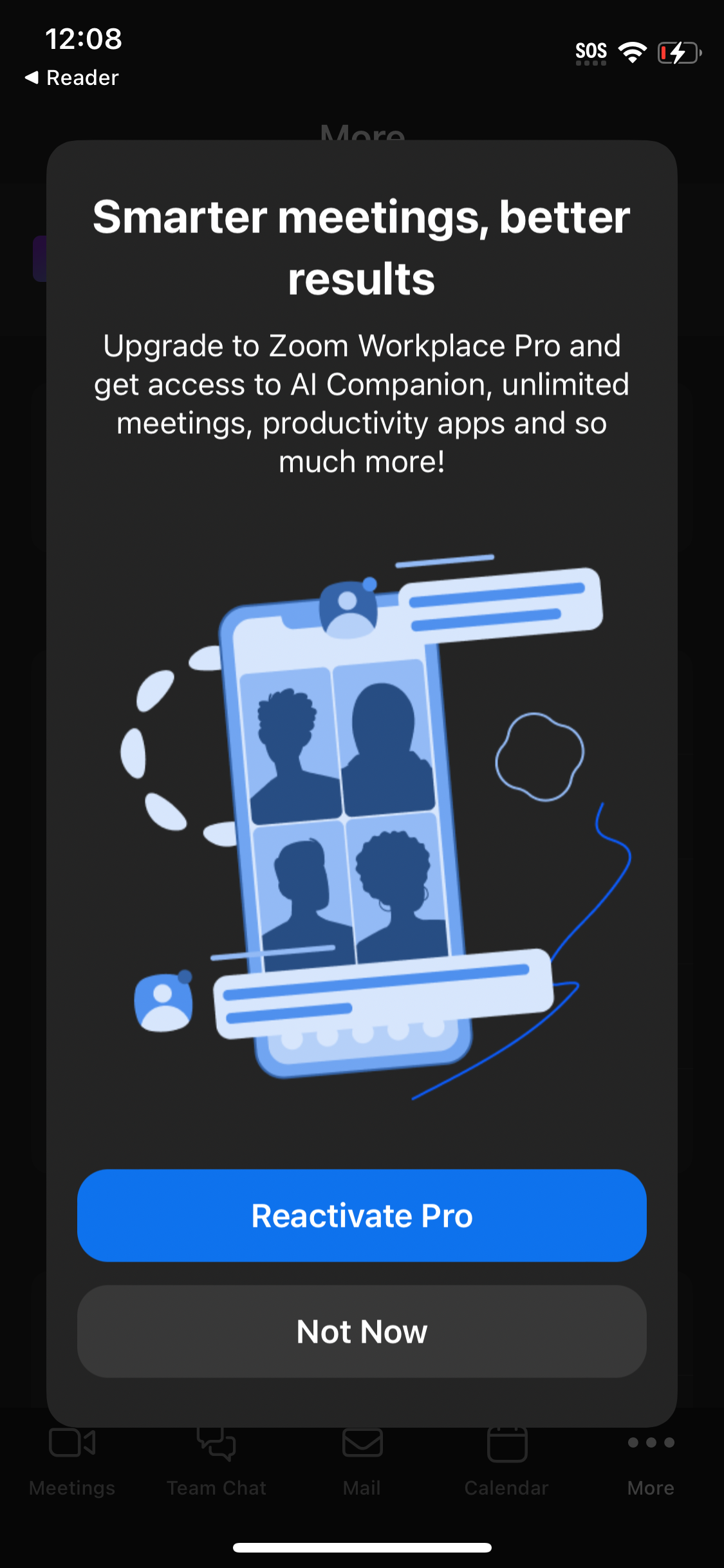
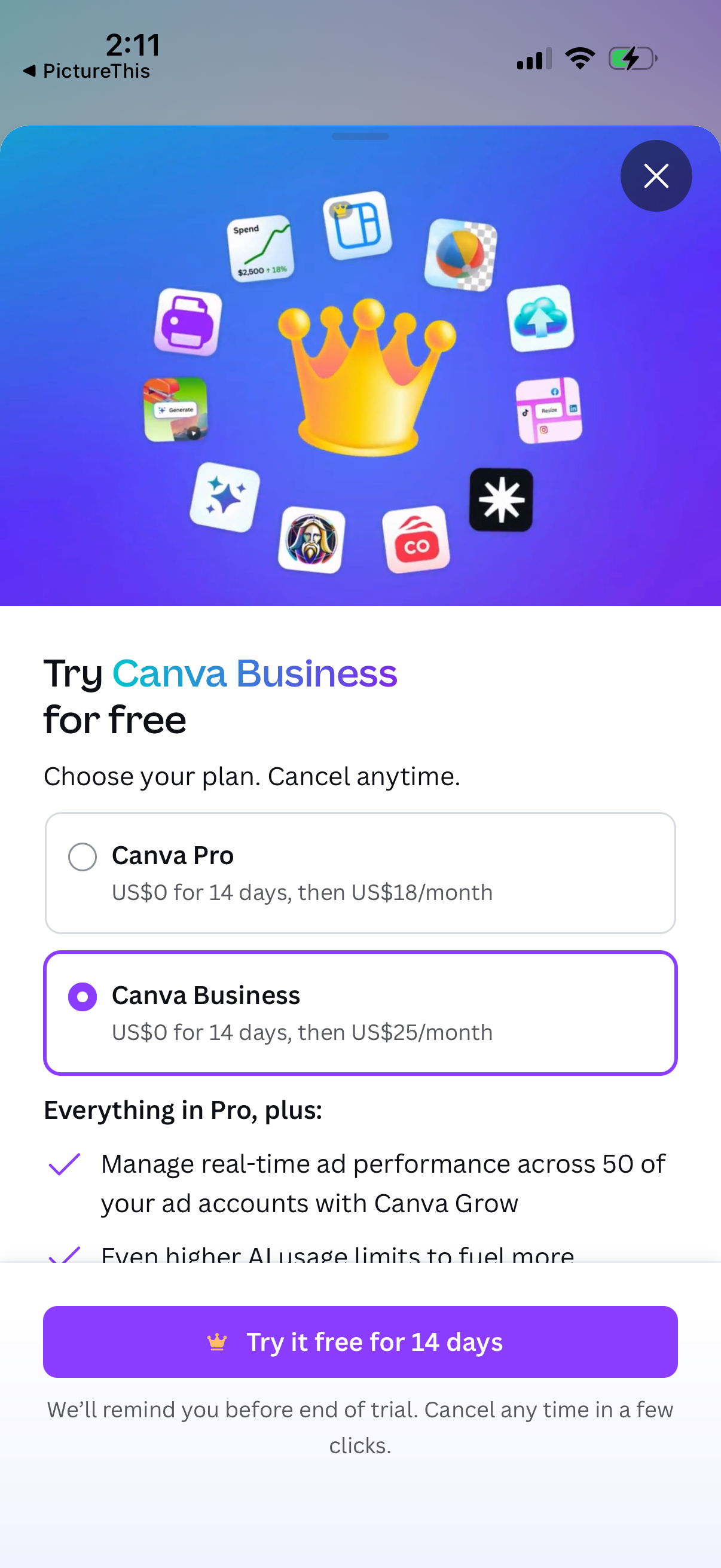
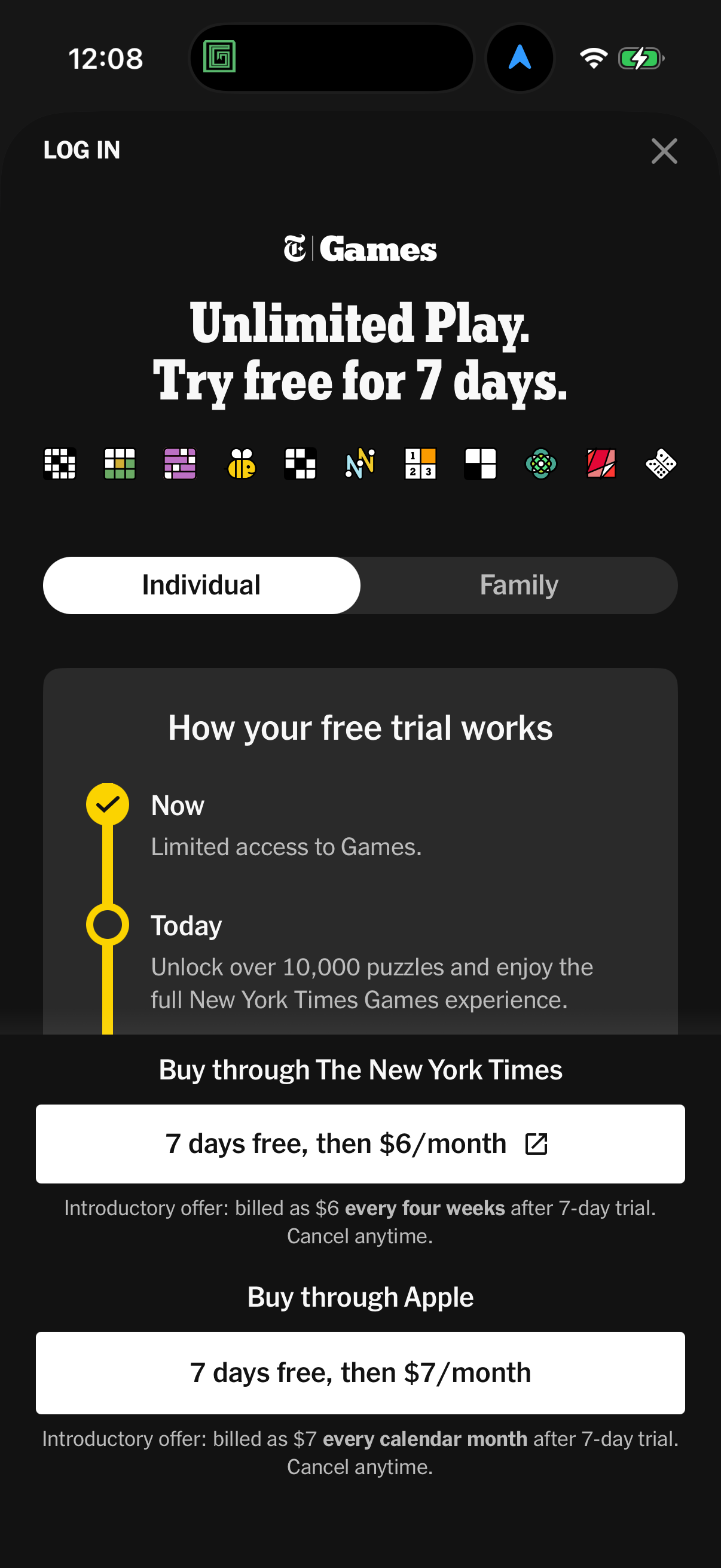
Across 162 tracked app screens where Lazyweb Research detected a discount element being added, 147 (91%) still had it in later captures and only 15 showed a later detected removal.[1] Discounts are also the single most-touched tactic in the corpus: 1,133 of 4,814 detected experiments (24%) mention a discount, across 222 companies.[2] But 'kept it' here means no later experiment removed it, not a measured revenue lift.
Of 162 tracked app screens where a discount element was added, 147 (91%) still showed it in later captures — Lazyweb Research, July 2026 (n=1,133 discount-touching experiments).

| Item | Experiments |
|---|---|
| Added | 238 |
| Removed | 68 |
| Mixed | 35 |
| Changed / unclassified | 792 |
The finding: discounts stick once added
Discount badges ('SAVE 20%', '% off', strikethrough sale copy) are the most frequently touched tactic in Lazyweb's experiment corpus: 1,133 of 4,814 detected before/after experiments mention a discount, spanning 222 companies.[2][3] On the persistence side, of 162 canonical screens where a discount element was *added*, only 15 later showed a detected removal — 147 (91%) kept it.[1] That is a high retention proxy relative to other tactics, but it is a proxy: 'kept it' means no later captured experiment on the same screen removed the discount, and capture cadence varies by company.
Direction of change
Among discount-touching experiments Lazyweb could classify by direction, additions outnumber removals roughly 3.5-to-1:
| Direction | Experiments |
|---|---|
| Added | 238 |
| Removed | 68 |
| Mixed | 35 |
| Changed / unclassified | 792 |
Source: direction heuristic over what_changed + learning text.[4] Note that 792 of 1,133 rows could not be cleanly classified as add or remove — read the 238/68 split as 'of the classifiable changes.'
How to apply it
If you are deciding whether to add a discount badge, the observed pattern is that peers who add one rarely walk it back (91% persistence across 162 screens).[1] But two cautions from the data: the raw '%save %' match inflates the discount bucket, and one detected example (Cartesia) *removed* its yearly-default 'SAVE 20%' toggle to re-anchor on monthly pricing for a developer audience.[5] Treat the badge as a default-on lever most peers keep, not a universal win.
Caveats
These are detected UI diffs with LLM-inferred rationale, not measured A/B outcomes. No conversion or revenue lift is observed anywhere in this corpus.[6] Retention is a persistence proxy: absence of a later detected removal is weaker evidence than an observed removal, and the 1,133 count is 'experiments that mention a discount,' inflated by broad keyword matching.
The numbers
| Stat | Computed from |
|---|---|
| 147 of 162 screens (91%) kept the added discount; 15 later removed | retention__discount: reversal EXISTS check on same canonical screen, tactic=discount |
| 1,133 discount-touching experiments across 222 companies | tactic_mentions__discount_badges |
| 4,814 total detected experiments | total_detected_experiments |
| 238 added / 68 removed / 35 mixed / 792 unclassified | direction_split__discount |
| Cartesia removed its yearly-default 'SAVE 20%' toggle | qualitative: discount badges, cartesia, 2026-07-04 |
| 0 measured A/B outcomes (learnings are LLM-inferred) | family universe note: learnings are LLM-inferred hypotheses, never measured results |
Sources & citations
- [1] Lazyweb Research analysis of 4,814 detected experiments (362 companies, mobile-app corpus), July 2026. Retention proxy: of 162 screens where a discount was added, 15 showed a later detected removal. ↩
- [2] Lazyweb Research analysis of 4,814 detected experiments (362 companies, mobile-app corpus), July 2026. 1,133 experiments mention a discount (discount / % off / save …) across 222 distinct companies. ↩
- [3] Lazyweb Research analysis of 4,814 detected experiments (362 companies, mobile-app corpus), July 2026. Corpus of 4,814 before/after UI diffs captured 2022-10-10 to 2026-07-04. ↩
- [4] Lazyweb Research analysis of 4,814 detected experiments (362 companies, mobile-app corpus), July 2026. Direction heuristic; 792 of 1,133 rows unclassified — publish as 'of the classifiable changes.' ↩
- [5] Lazyweb Research analysis of 4,814 detected experiments (362 companies, mobile-app corpus), July 2026. Cartesia (2026-07-04): removed monthly/yearly toggle with yearly-default 'SAVE 20%'. ↩
- [6] Lazyweb Research analysis of 4,814 detected experiments (362 companies, mobile-app corpus), July 2026. Learnings are LLM-inferred hypotheses about observed diffs, never measured A/B results. ↩
Source: Lazyweb Research — proprietary analysis of real, in-market app screens. Cite as Lazyweb Research, 2026-07-07.
Explore the evidence
Related questions
More in Does X work? Tactic-level experiment evidence pages →