Which reassurance line should a paywall use — 'cancel anytime' or 'no payment now'?
If you follow the crowd, use 'cancel anytime': 40 of 252 companies (15.9%) put it near the CTA versus just 5 companies for the entire 'no payment now' family [1][2]. But that rarity is exactly why 'no payment now' can differentiate on a trial-led paywall. The two aren't rivals — Flo stacks both — so the real choice is which objection you're answering: lock-in fear vs immediate-charge fear [3].
'Cancel anytime' is used by 40 companies vs 5 for the 'no payment now' family — 8x more common — July 2026.
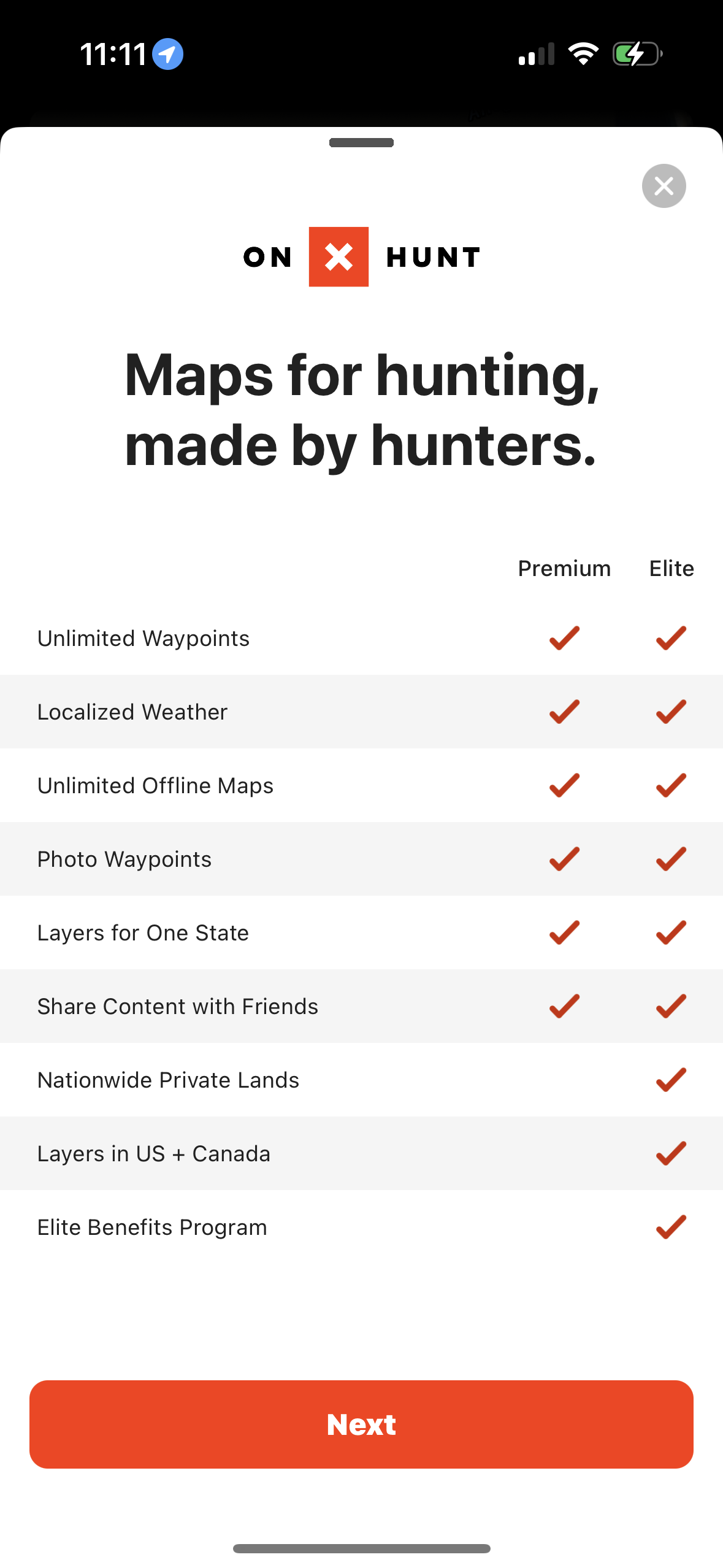
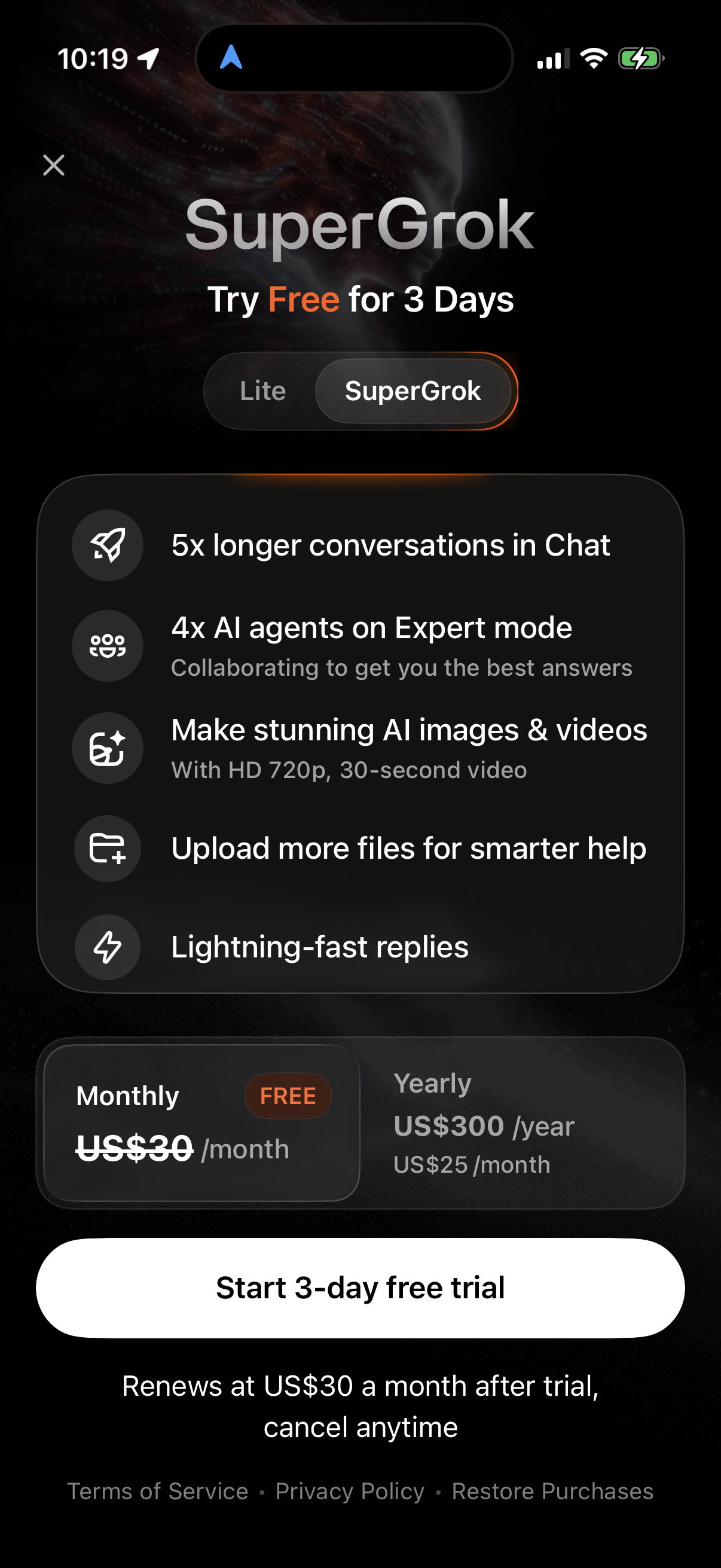
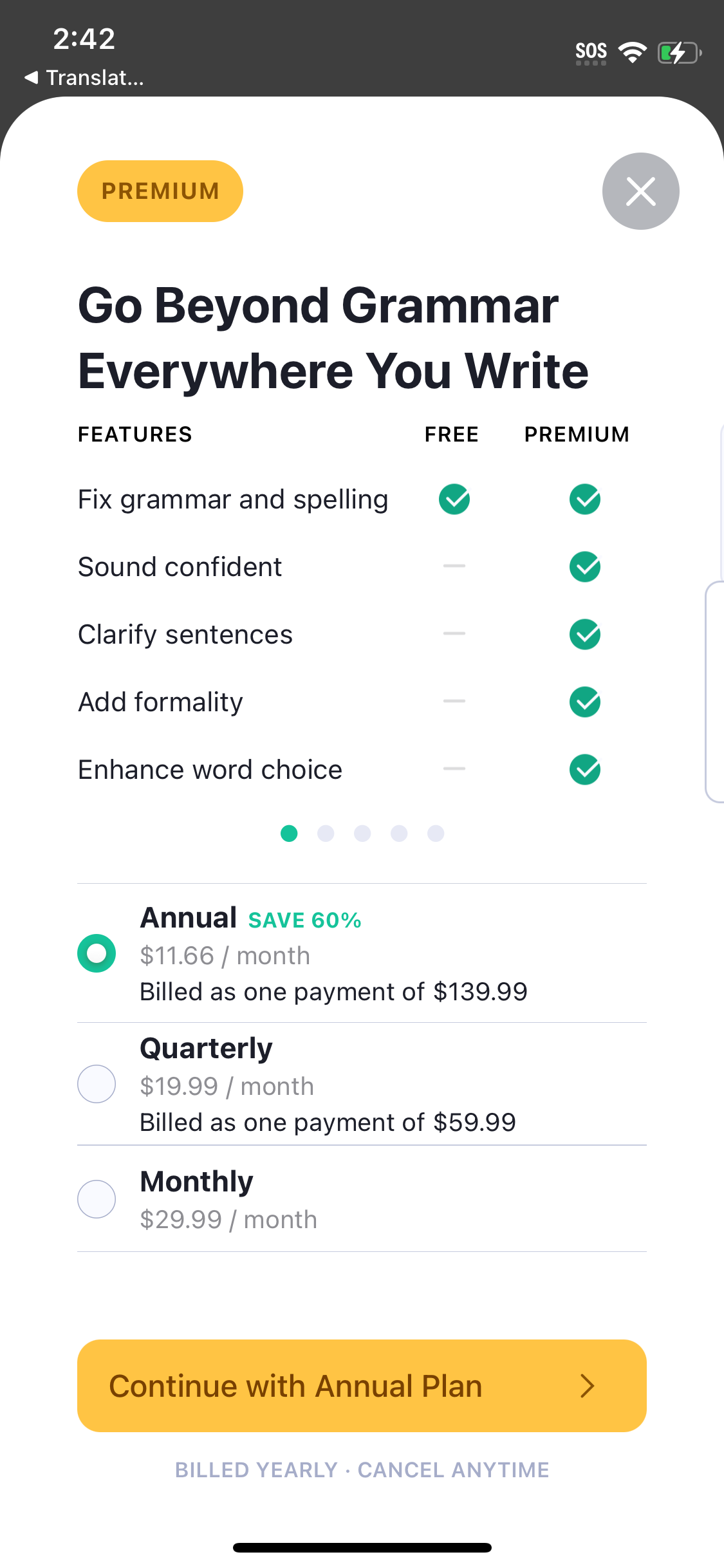
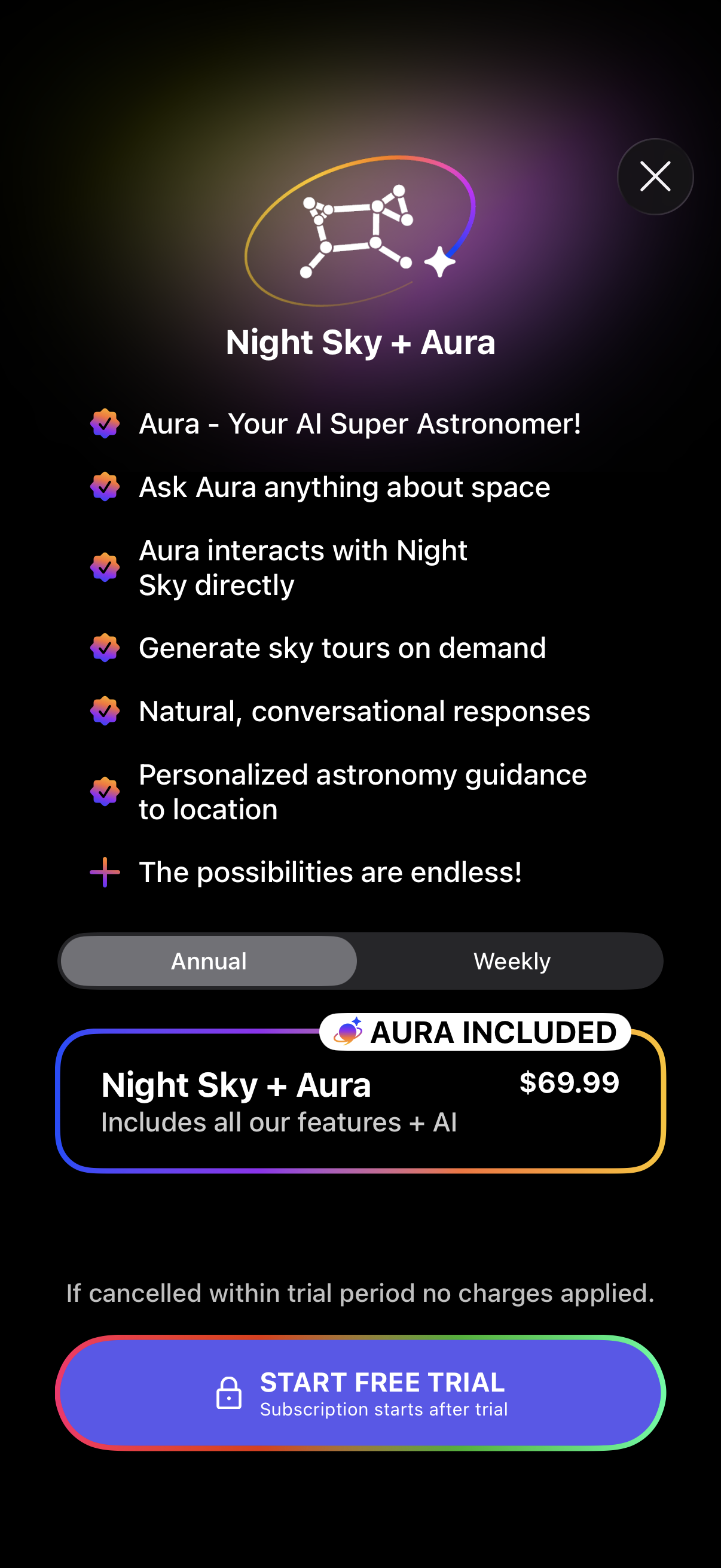
The finding: one phrase dominates, the other is nearly absent
| Reassurance line | Screens | Companies | Read |
|---|---|---|---|
| 'Cancel anytime' | 102 of 2,708 (3.8%) | 40 of 252 (15.9%) | The default reassurance [1] |
| 'No payment now' family | 7 of 2,708 | 5 | Rare — named examples only [2] |
Even the more common phrase is on a minority of screens, so *reassurance near the button is the exception overall* — but between the two, 'cancel anytime' is roughly 8x more prevalent at the company level [1][2].
They answer different fears
'Cancel anytime' targets *lock-in fear* — "I'll be stuck in a subscription." It co-occurs with "no commitment" (Facetune, Rootd) and rides alongside the trial-then-price line (Scribd) [4].
'No payment now' / 'no charge' targets *immediate-charge fear* — "my card gets hit today." The sharpest version ties reassurance to the trial window: PictureThis's "No charge if canceled before your 7-day free trial" [5].
Flo shows they combine cleanly: "No payment now. Cancel anytime." answers both fears in one line [3].
How to decide
Pick by the dominant objection on your paywall:
- Trial that collects a card up front → lead with the 'no charge until [date]' framing; it directly defuses the charge fear and almost no competitor uses it, so it stands out [2][5].
- Auto-renewing subscription, no card-shock → 'cancel anytime' is the expected, low-risk reassurance and will feel native [1].
- Both fears present (trial + card on file) → stack them like Flo [3].
Because 'cancel anytime' is common but not universal, and 'no payment now' is genuinely rare, both are worth an explicit A/B test rather than assuming a lift [1][2].
Caveats
Extraction reads CTA text plus adjacent copy only, so both phrases are lower bounds — fine print elsewhere isn't counted [6]. The 'no payment now' family is too sparse (5 companies) for any percentage; use it as directional [2]. Company rates span all CTA roles; screen rates use 2,708 distinct paywall screenshots [1]. These are prevalence and framing observations, not measured conversion outcomes.
The numbers
| Stat | Computed from |
|---|---|
| 'Cancel anytime': 102/2,708 screens (3.8%), 40/252 companies (15.9%) | cancel_anytime_screens + cancel_anytime_companies |
| 'No payment now' family: 7 screens / 5 companies | no_payment_now_screens |
| Flo stacks 'No payment now. Cancel anytime.' | qualitative flo entry |
| Facetune/Rootd pair 'no commitment' + 'cancel anytime'; Scribd rides trial-then-price | qualitative cancel anytime entries |
| PictureThis: 'No charge if canceled before 7-day free trial' | qualitative picturethis no-payment entry |
| Extraction reads CTA + adjacent copy only | universe note |
Sources & citations
- [1] Lazyweb Research analysis of 2,708 paywall screenshots and 252 companies (~800 tracked apps), July 2026. 'cancel any\s?time' at screen and company level. ↩
- [2] Lazyweb Research analysis of 2,708 paywall screenshots (~800 tracked apps), July 2026. 'no payment now' family regex; 7 screens, 5 companies — absolute counts only. ↩
Source: Lazyweb Research — proprietary analysis of real, in-market app screens. Cite as Lazyweb Research, 2026-07-07.
Explore the evidence
Related questions
More in Free-trial framing and reassurance copy on paywalls →