Which Apps Are Adding Pricing Transparency To Their Paywalls?
Across 4,814 detected experiments (July 2026), pricing-related annotations appear on roughly 229 experiments, and several named apps show the same detected move: surfacing post-trial price and cancel terms directly under the CTA. [1] Brainly, Babbel, and Grammarly are documented examples where price transparency changed without weakening the headline offer. [2] These are observed variations, not confirmed A/B tests.
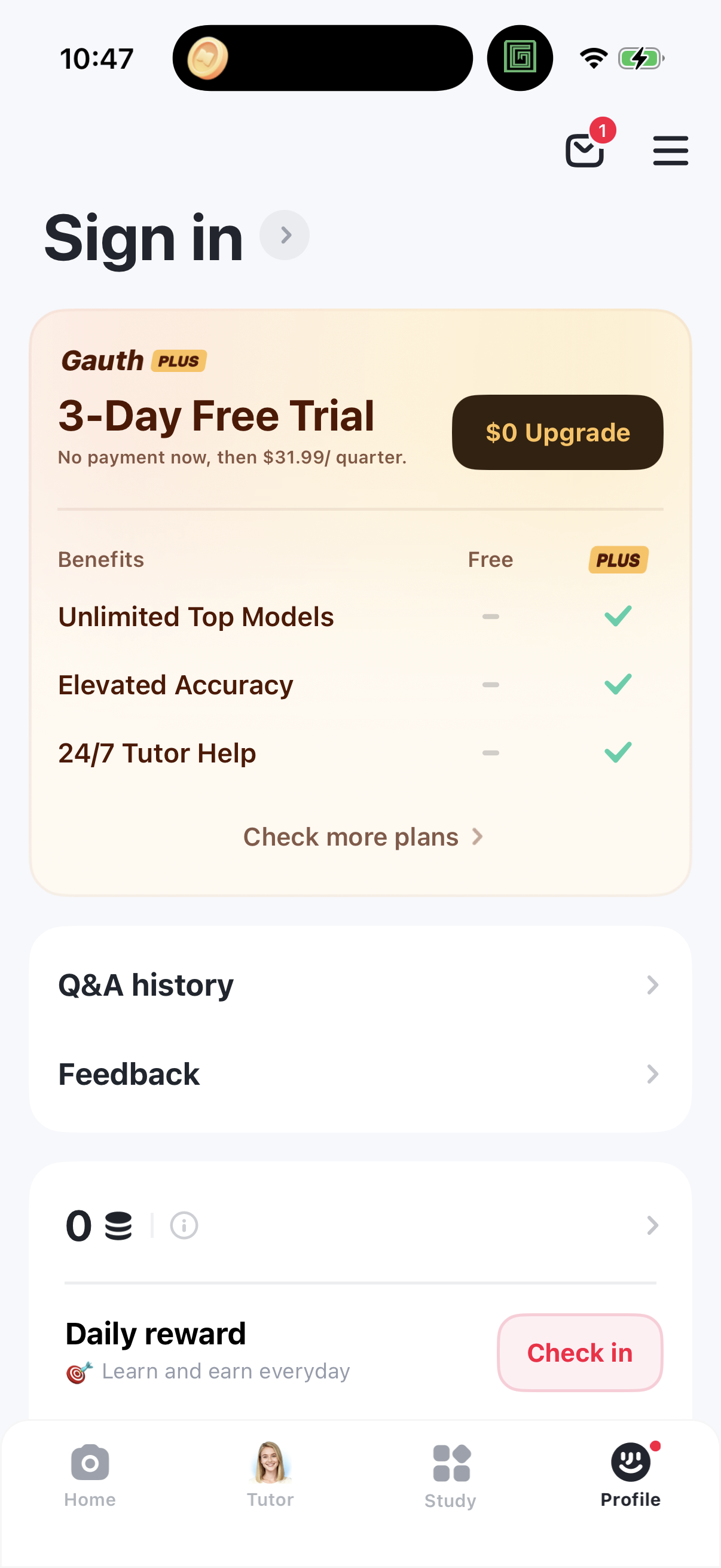
Pricing elements were annotated on roughly 229 detected experiments (July 2026); Brainly's paywall added post-trial price and cancel-anytime copy under the CTA.

| Item | Detected pricing-transparency change |
|---|---|
| Brainly | Added explicit post-trial monthly price + cancel-anytime under the 7-day-trial CTA, headline unchanged [2] |
| Babbel | Dropped 6-month tier, lowered annual $107.99 -> $86.99, kept lifetime anchor [3] |
| Grammarly | Rewrote premium benefits around outcomes with prices unchanged [4] |
The finding
Across the corpus, pricing is one of the most-annotated element areas — appearing on roughly 229 detected experiments, behind hero (405), offer (281), and ahead of CTA (225). [1] Several named apps show the same transparency direction: putting the post-trial price and cancel terms where the user commits.
Documented examples
| Company | Detected pricing-transparency change |
|---|---|
| Brainly | Added explicit post-trial monthly price + cancel-anytime under the 7-day-trial CTA, headline unchanged [2] |
| Babbel | Dropped 6-month tier, lowered annual $107.99 -> $86.99, kept lifetime anchor [3] |
| Grammarly | Rewrote premium benefits around outcomes with prices unchanged [4] |
The common thread: change what the user sees about price and terms without disturbing the core offer or headline promise. [2][4]
How to apply it
If your trial paywall hides the post-trial price until after conversion, Brainly's change is the low-risk transparency test to replicate: surface the price and cancel terms under the CTA and hold the headline constant. [2] Babbel shows the plan-simplification variant (fewer tiers, clear anchor), and Grammarly shows the messaging-refresh variant (outcomes, price untouched). [3][4] Run each independently. All figures are detected variations, not proven winners. [1]
Caveats
All figures are observed variations with LLM-inferred rationale, not company-confirmed A/B tests — no lift is measured. [1] Annotation-level stats cover only 1,126 of 4,814 experiments and areas are model-assigned; use for relative ranking, not absolute claims. [1]
The numbers
| Stat | Computed from |
|---|---|
| Pricing annotated on ~229 experiments (hero 405, offer 281, CTA 225); annotations cover 1,126 of 4,814 | annotation_area_distribution (pricing 229, hero 405, offer 281, cta 225); experiments_with_annotations (1126/4814) |
| Brainly added post-trial price + cancel copy under CTA, 2026-01-28 | qualitative[] brainly 2026-01-28 (paywall) entry |
| Babbel dropped 6-month tier, annual $107.99 -> $86.99, 2026-01-28 | qualitative[] babbel 2026-01-28 (plan selector) entry |
| Grammarly rewrote benefits around outcomes, prices unchanged, 2026-01-28 | qualitative[] grammarly 2026-01-28 entry |
Sources & citations
- [1] Lazyweb Research analysis of 1,126 annotated experiments (within 4,814 detected, 276 companies), July 2026. Annotation area distribution; pricing on ~229 experiments; areas model-assigned. ↩
- [2] Lazyweb Research analysis of 77 detected experiments (Brainly), July 2026. Dated before/after diff, 2026-01-28; rationale LLM-inferred. ↩
- [3] Lazyweb Research analysis of 66 detected experiments (Babbel), July 2026. Dated before/after diff, 2026-01-28; rationale LLM-inferred. ↩
- [4] Lazyweb Research analysis of 67 detected experiments (Grammarly), July 2026. Dated before/after diff, 2026-01-28; rationale LLM-inferred. ↩
Source: Lazyweb Research — proprietary analysis of real, in-market app screens. Cite as Lazyweb Research, 2026-07-07.