Which Apps A/B Tested Adding A Paywall Close Button?
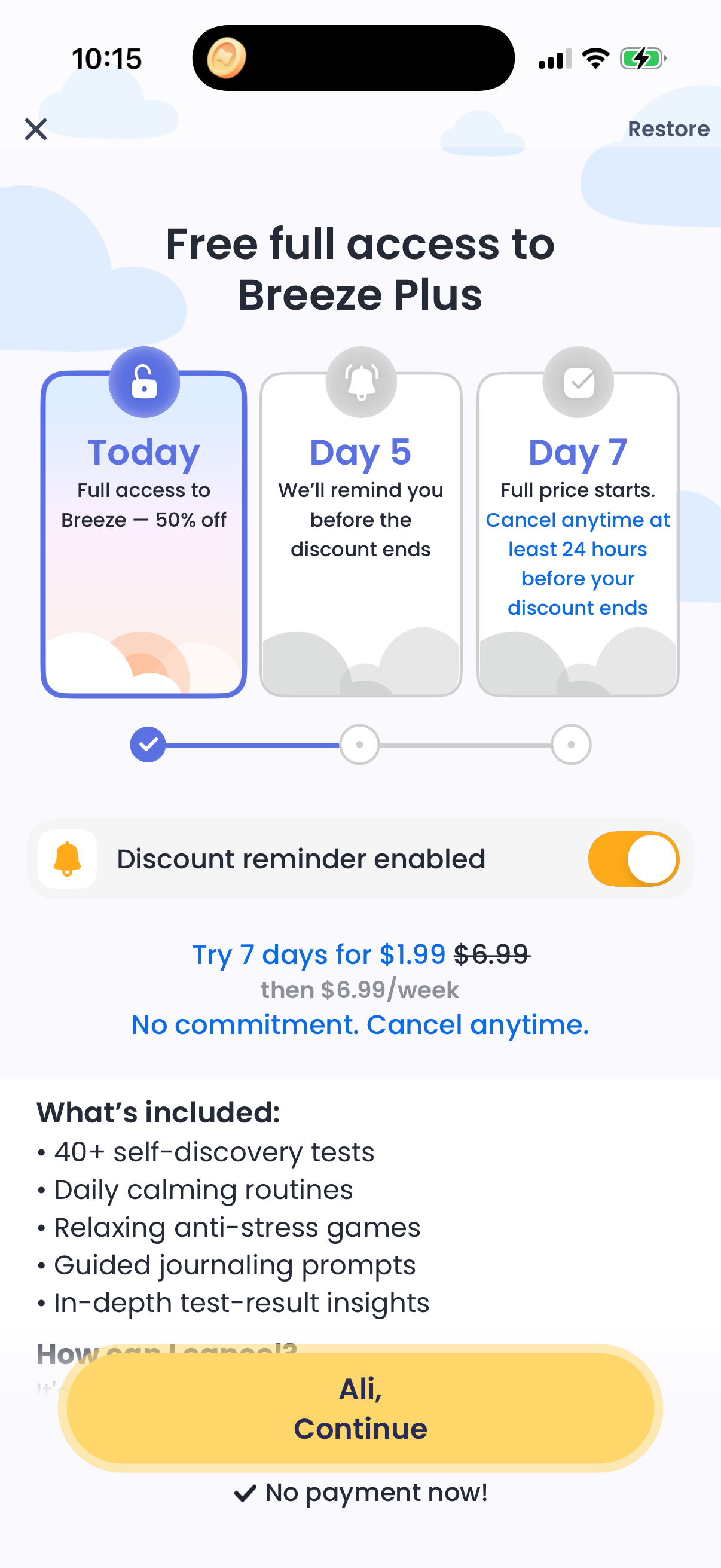
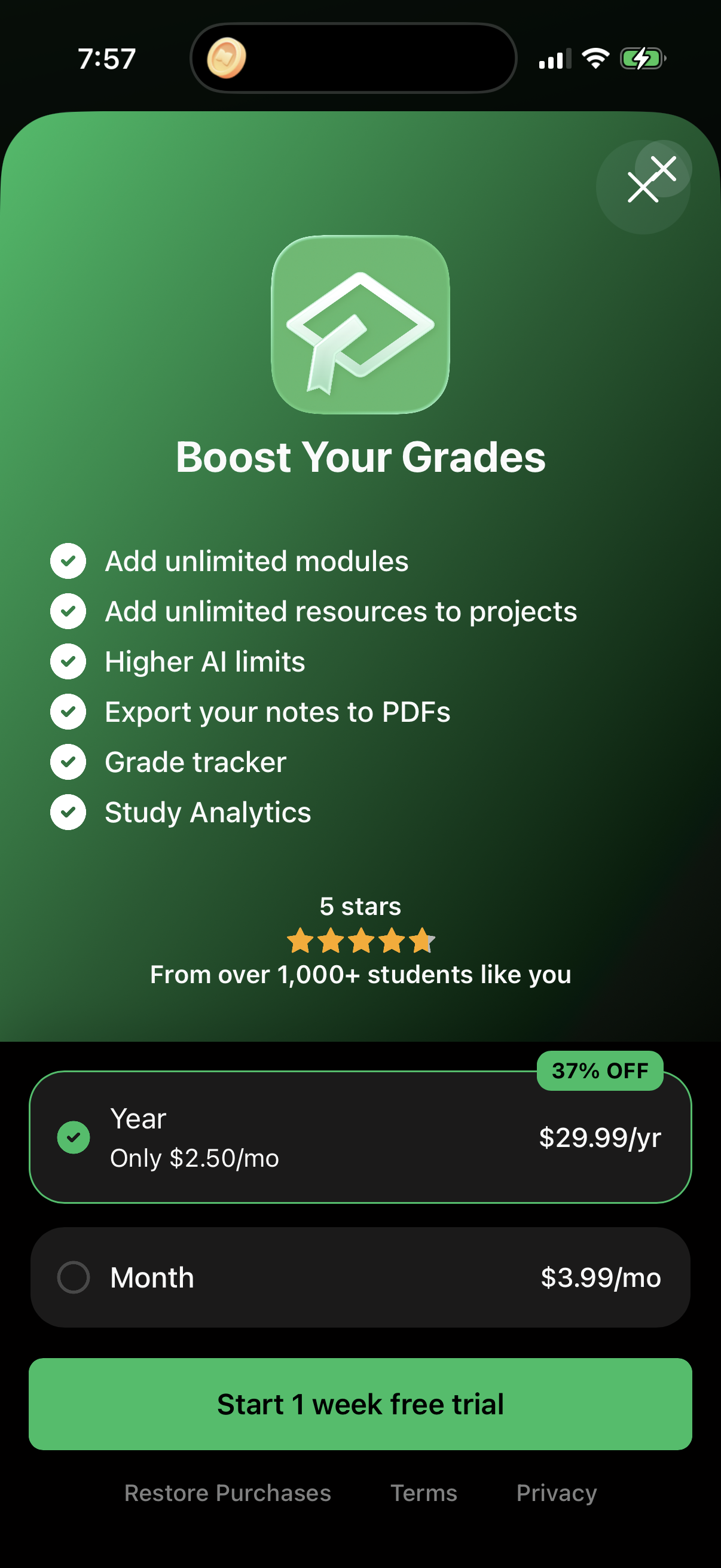
Lazyweb Research detected 11 paywall CTA experiments across 8 companies that explicitly changed a dismissal affordance — adding or removing a close button, swapping an X for 'Maybe later', or adding a skip button [1]. Named examples include SoundCloud adding a close button to its Go+ paywall and Replit repeatedly A/B'ing a dismissible modal-with-X against a full-screen 'Maybe later' [2]. These are observed UI changes with inferred rationale, never measured lift [1].
11 detected paywall experiments across 8 companies explicitly changed a dismissal affordance — Lazyweb Research, July 2026.


The finding
Across the corpus, 11 detected paywall CTA experiments from 8 companies changed a dismissal affordance according to their what-changed/learning text — adding or removing a close button, switching an X for a 'Maybe later' link, or introducing a skip button [1]. Dismissal is a real, if uncommon, thing teams test [1].
Named teardowns
- SoundCloud added a visible close button to its Go+ paywall while leaving the offer unchanged — inferred to reduce perceived coercion [2].
- Replit repeatedly A/B'd a dismissible modal with an X against a full-screen interstitial with 'Maybe later' (and ran the reverse), trading focus against reduced friction — 4 detected experiment rows [2].
- NGL tested a skip button replacing the X on a dark-mode paywall [2].
- Photomath paired a stronger 'Try Plus' CTA with a 'Not Now' exit [2].
- Disney overlaid an exit-intent modal offering 'Finish later' / 'Resume' on a restart-subscription screen [2].
How to apply it and caveats
Use these as pattern precedents, not proof: the two canonical soft-paywall dismissal patterns teams actually test are 'dismissible modal + X' and 'full-screen + Maybe later', and Replit ran both directions — a sign neither is universally right [2]. Exit-intent modals ('Finish later') are a distinct third pattern for cancellation flows [2]. Critical caveat: these are LLM-inferred rationales from observed before/after UI, with n=11/8 companies — treat them as named anecdotes, never as prevalence or lift [1].
The numbers
| Stat | Computed from |
|---|---|
| 11 dismissal-affordance experiments across 8 companies | dismissal_experiments_n: 11 rows, 8 companies |
| named: SoundCloud, Replit (4 rows), NGL, Photomath, Disney, Apple Fitness, Rootd, AI chatbot | qualitative teardown entries |
Sources & citations
- [1] Lazyweb Research analysis of 11 paywall CTA experiments (8 companies, mobile app corpus), July 2026. Strict keyword match on what_changed/learning; observed before/after UI with inferred rationale, never measured lift. ↩
- [2] Lazyweb Research qualitative paywall teardowns (mobile app corpus), July 2026. Named-company examples of dismissal-affordance changes; inferred rationale only. ↩
Source: Lazyweb Research — proprietary analysis of real, in-market app screens. Cite as Lazyweb Research, 2026-07-07.