When Do Apps Ask for Your Phone Number vs Email During Signup?
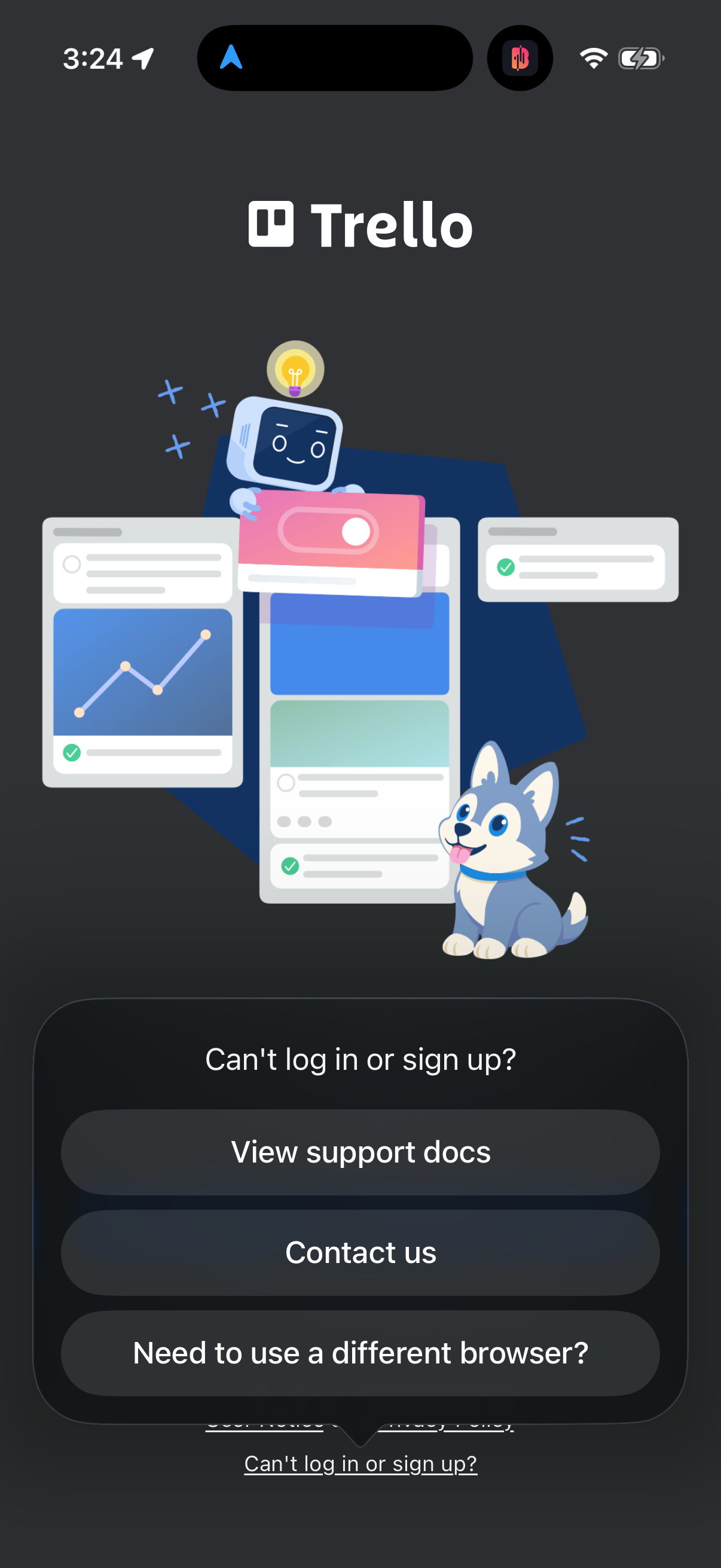
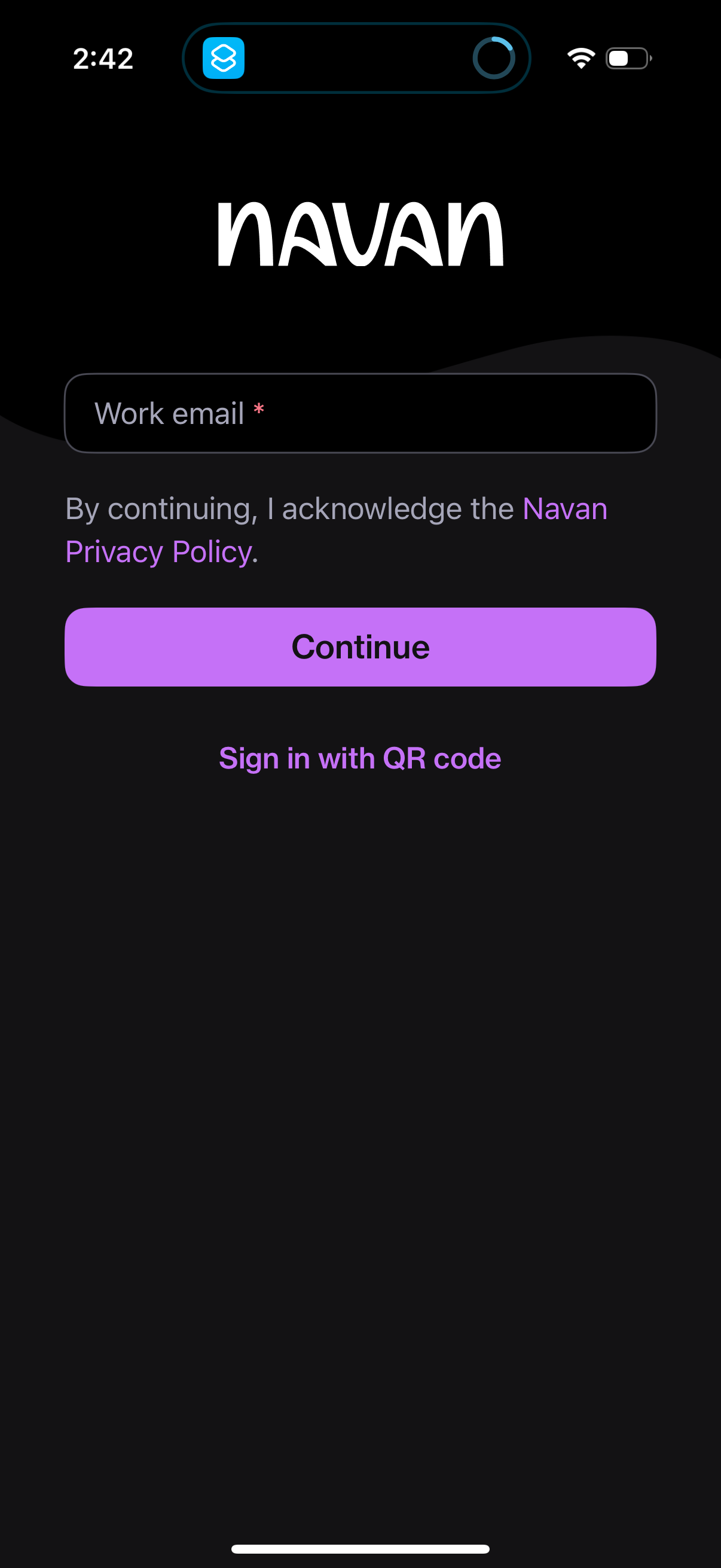
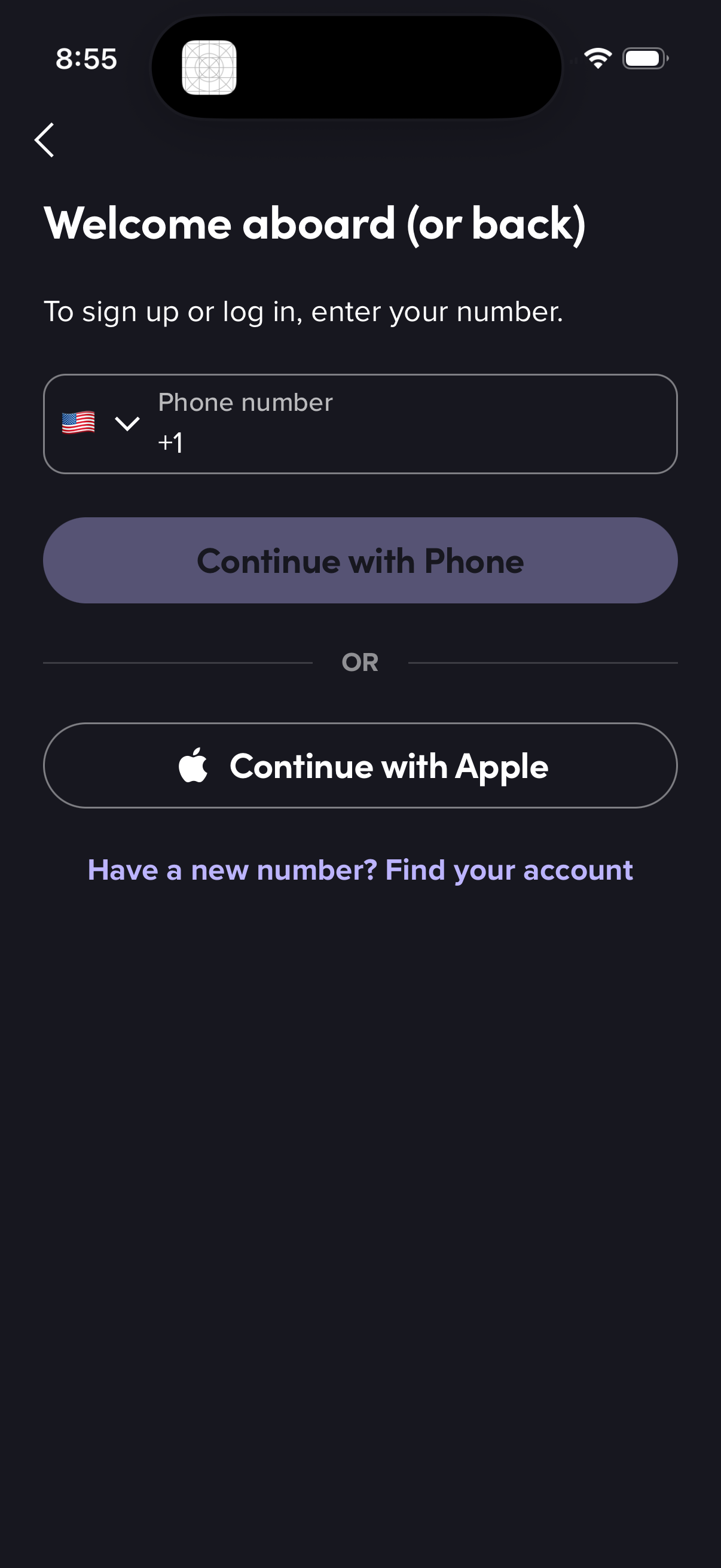
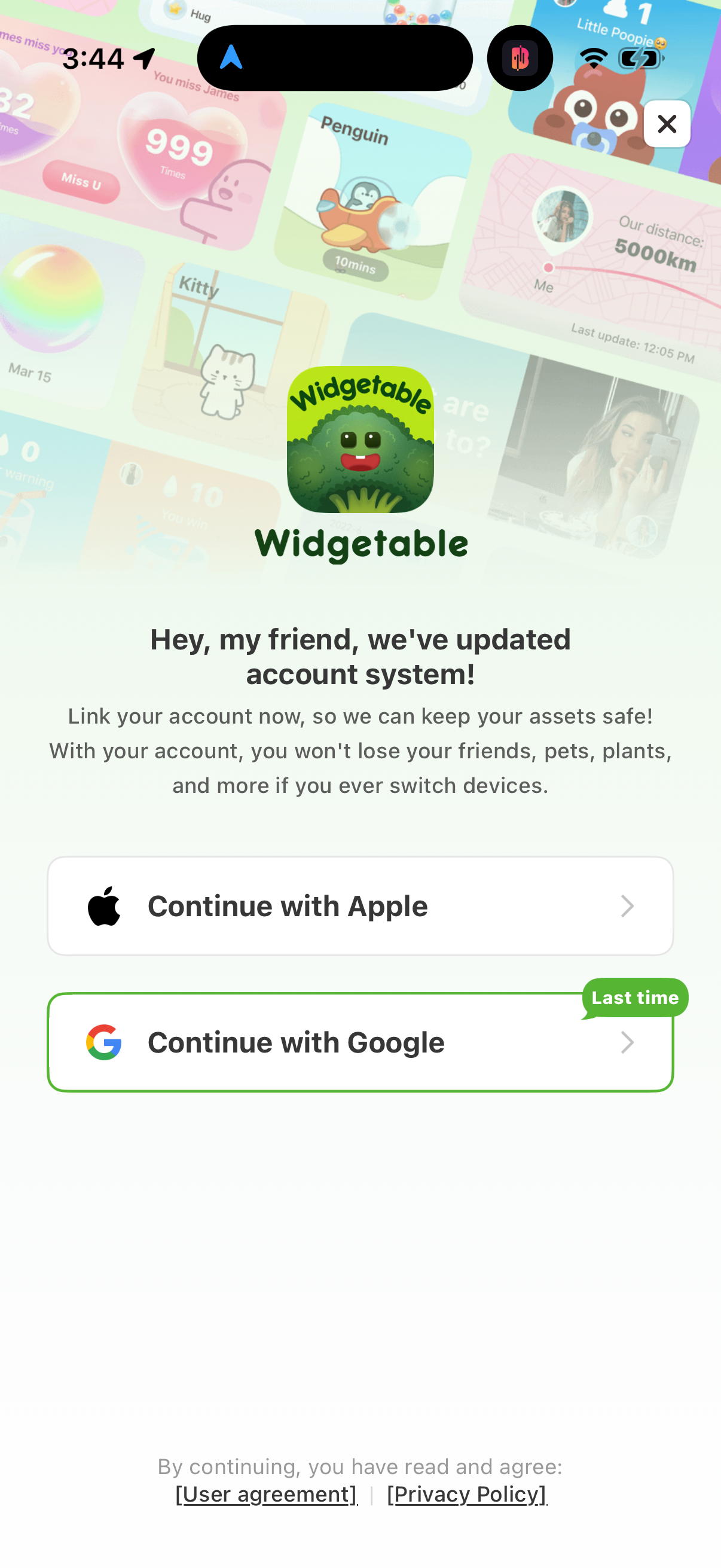
Across 149 signup flows tracked by Lazyweb Research, 76% (113) collect email versus 44% (65) that collect a phone number or OTP[1]. Email is requested earlier — at an average step 3.5, about 54% of the way through the flow — while phone comes later, at step 4.3 (~58% through)[1]. If you need a phone number, expect to ask for it after you have already earned the email.
76% of signup flows collect email vs 44% that collect phone/OTP, and phone is asked later (step 4.3 vs 3.5) — across 149 signup flows, Lazyweb Research, July 2026.
The finding
Among 149 signup flows, 113 (75.8%) collect an email address and 65 (43.6%) collect a phone number or OTP[1]. Email is not only more common, it is asked sooner: email lands at an average of step 3.5 (54% through the flow) and phone at step 4.3 (58% through)[1]. Apps front-load the lower-friction email identifier and defer the higher-commitment phone ask.
Breakdown
| Identifier | Signup flows collecting it | Share | Avg step asked | Position in flow |
|---|---|---|---|---|
| 113 | 75.8% | 3.5 | ~54% through | |
| Phone / OTP | 65 | 43.6% | 4.3 | ~58% through |
Positions are normalized within each flow, so 'later' means later relative to that flow's own length, not a fixed screen number[1].
How to apply it
If your product genuinely needs a phone number (verification, SMS, delivery, contacts), collect email first and stage the phone ask after the user has some commitment — this matches what most tracked apps do. If phone is your primary identifier, you are in the minority (44%); make the value exchange explicit at the point you ask, because you are requesting it before the majority pattern would.
Caveats
Email prevalence at the auth-screen level is a loose text match and an upper bound[2]; the flow-level count here (113/149) is stricter but still extraction-based. Absence of a match is not proof the app never collects that identifier later. Phone-first is heavily concentrated in a few verticals (see the social and food cuts).
The numbers
| Stat | Computed from |
|---|---|
| 113/149 flows (75.8%) collect email; 65/149 (43.6%) collect phone/OTP; email avg step 3.5 (~54% through); phone avg step 4.3 (~58% through) | phone_vs_email_ask_timing stat (row-numbered signup flow steps) |
| auth-screen email match is a loose upper bound | smallSampleWarnings: email prevalence uses loose 'email' match |
Sources & citations
- [1] Lazyweb Research analysis of 149 signup flows (~146 companies), July 2026. Email vs phone collection and normalized ask-position computed per signup flow via row-numbered steps joined to screenshot text. ↩
- [2] Lazyweb Research analysis of 289 companies with vision-covered auth screens, July 2026. Email prevalence at auth-screen level is a loose regex match, treated as an upper bound. ↩
Source: Lazyweb Research — proprietary analysis of real, in-market app screens. Cite as Lazyweb Research, 2026-07-07.