What Do Companies A/B Test In Paywall Secondary Actions Like Restore And Skip?
Across 112 secondary-action experiments tracked by Lazyweb Research (out of 2,160 area-annotated experiments), the pattern is subtraction: removing opt-ins, ads, and escape hatches that pull attention off the yes/no decision [1]. Secondary actions are the seventh most-tested area (5.3%) but low-impact by model score (avg 2.90/5, only 9.8% scored high-impact) [1][2]. The area skews mobile (79 of 112 annotations) because it maps to paywall furniture like restore-purchases links and trial-reminder rows [1].
Secondary-action edits make up 112 of 2,160 annotated experiments (5.3%), 71% of them mobile, with an average model-assigned impact of 2.90/5, per Lazyweb Research, July 2026.

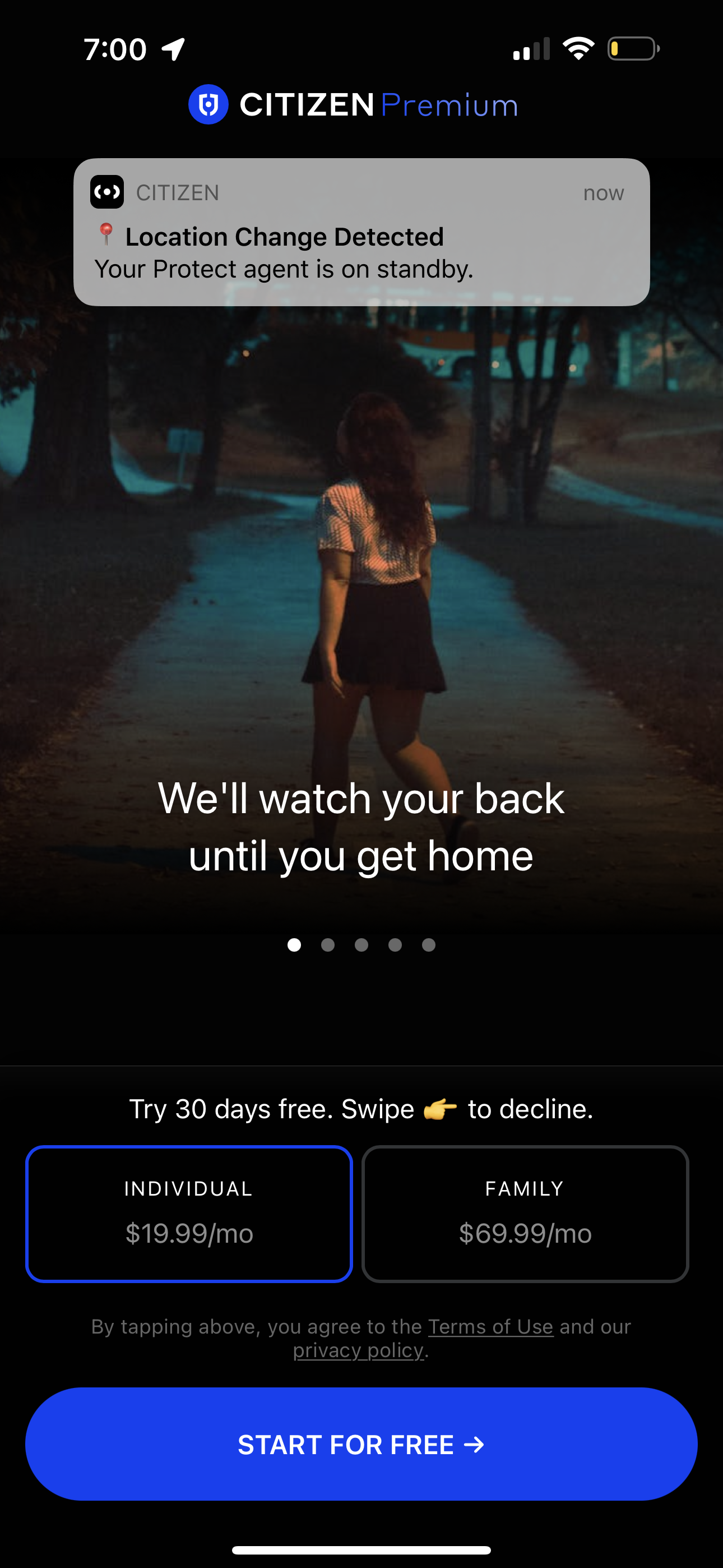
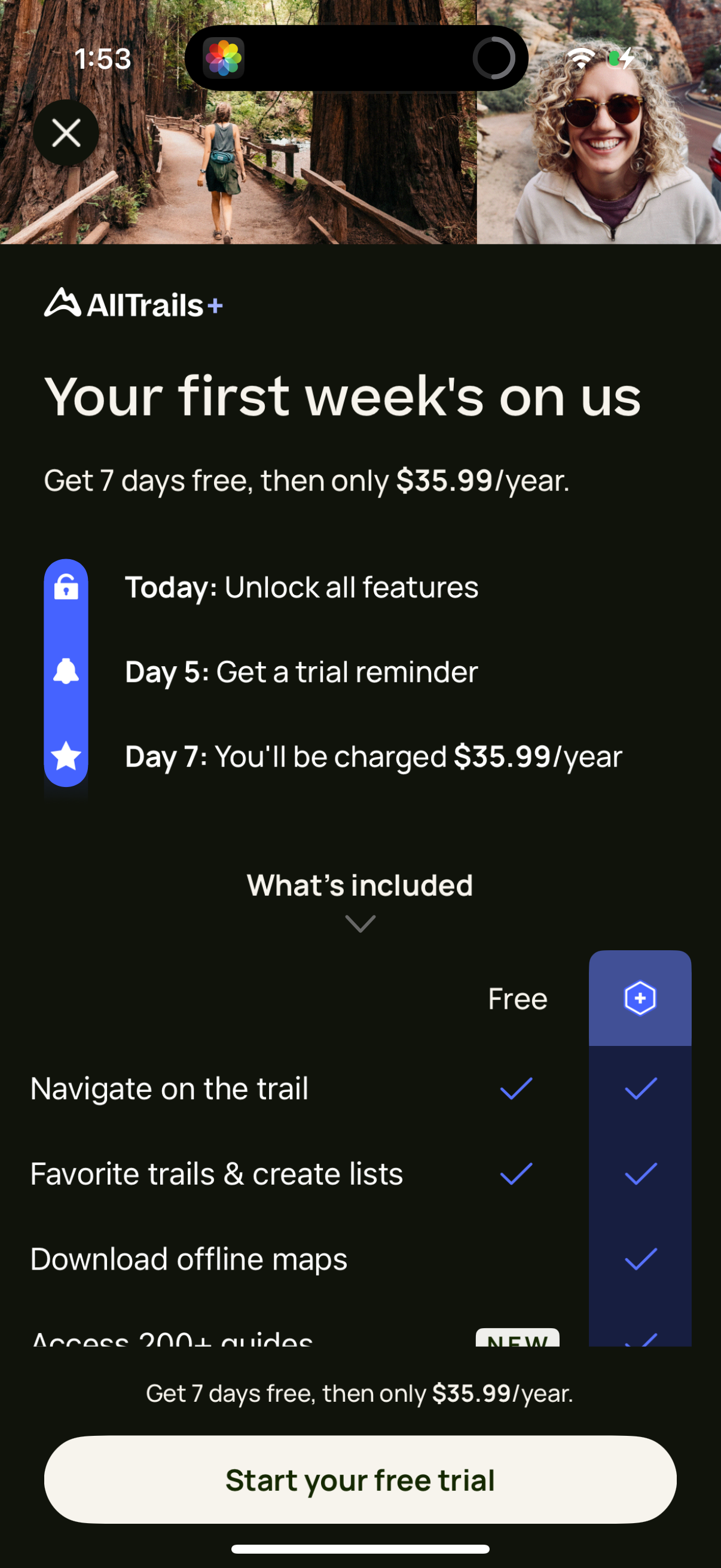
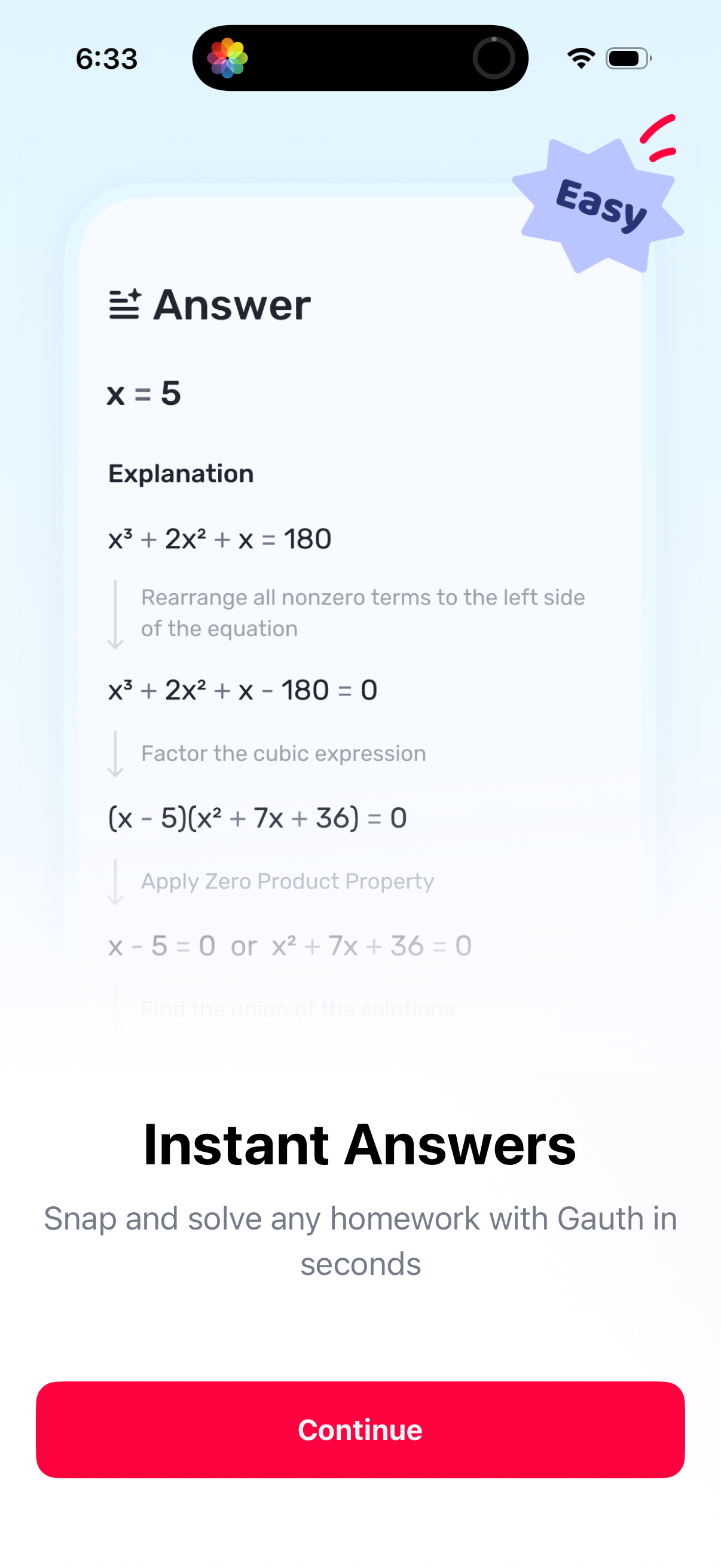
The finding: remove the distractions around the button
SECONDARY ACTIONS covers restore-purchases links, skip links, opt-ins, and other escape hatches around a primary CTA [1]. It is tested in 112 annotations across 107 experiments, 79 of them mobile and 33 web [1]. Average model-assigned impact is 2.90/5 and only 9.8% (11 of 112) scored high-impact, so these are refinements, not swings [1][2]. The observed direction is consistently subtractive: strip elements that compete with the decision [3].
What the observed edits look like
Two representative mobile examples: removing an 'Email me before my trial ends' opt-in row beneath the pricing text, and removing a third-party banner ad at the bottom of a paywall and replacing it with a 'Restore purchases' link [3].
| Move | Platform | What it removes | Rationale (inferred) |
|---|---|---|---|
| Drop trial-reminder opt-in | mobile | last-moment anxiety cue | keep focus on one yes/no |
| Swap banner ad for restore link | mobile | attention leak + distrust | cleaner purchase moment, still serves subscribers |
Both keep a single primary decision in view [3].
How to apply it
Audit your paywall for anything below or beside the CTA that isn't the decision: reminder opt-ins, third-party ads, secondary links. The observed pattern is that removing them keeps attention on the purchase [3]. Keep genuinely required affordances (restore purchases is a store requirement and shows up as the replacement, not the casualty) [3]. Because model impact here is low, treat these as polish once the offer and pricing are settled [1].
Caveats
Impact is a model-assigned 1-5 score on observed before/after diffs, not measured lift [4]. The 33 web annotations are absolute counts only per Lazyweb Research's web-thinness rule [4]. Named examples are single observed diffs with inferred rationale, not proof that removal wins [4].
The numbers
| Stat | Computed from |
|---|---|
| 112 SECONDARY ACTIONS annotations (5.3% of 2,160), avg impact 2.90/5, avg confidence 3.47, 107 experiments; 79 mobile / 33 web | area_SECONDARY_ACTIONS |
| SECONDARY ACTIONS high-impact (4+/5) share 9.8% (11 of 112) | high_impact_share_by_area |
| Observed moves: Zero removed 'Email me before my trial ends' opt-in; WeatherRadar replaced a banner ad with a 'Restore purchases' link | qualitative SECONDARY ACTIONS zero, weatherradar |
| 71% of secondary-action annotations are mobile (79 of 112); impact is a model-assigned 1-5 score | area_SECONDARY_ACTIONS; universe |
Sources & citations
- [1] Lazyweb Research analysis of 112 secondary-action experiments (~800 tracked apps), July 2026. SECONDARY ACTIONS annotations within 2,160 area-level annotations over 1,126 detected experiments. ↩
- [2] Lazyweb Research analysis of high-impact-share by area (n>=30 areas), July 2026. Share scored impact 4+/5 by the model; relative ranking only. ↩
- [3] Lazyweb Research analysis of 2,160 annotated UI experiments (~800 tracked apps), July 2026. Named examples are individual observed diffs with LLM-inferred rationale. ↩
- [4] Lazyweb Research analysis of 4,814 detected experiments (~800 tracked apps), July 2026. Web cuts are absolute counts only; impact/confidence are model-assigned 1-5 scores. ↩
Source: Lazyweb Research — proprietary analysis of real, in-market app screens. Cite as Lazyweb Research, 2026-07-07.