What Page Areas Are B2B / Business Companies A/B Testing?
Across 119 area-annotated experiments from business-category companies tracked by Lazyweb Research (72 experiments, just 5 companies), the hero leads (37 annotations) and FORM is unusually prominent (18) [1]. This cut is heavily concentrated — only 5 companies, Workday/Navan-dominated — so read it as a window into a few enterprise players, not the B2B vertical at large [1][2].
Business-category companies test HERO most (37 of 119 area annotations) with FORM unusually high (18), but the cut spans only 5 companies — Lazyweb Research, July 2026.
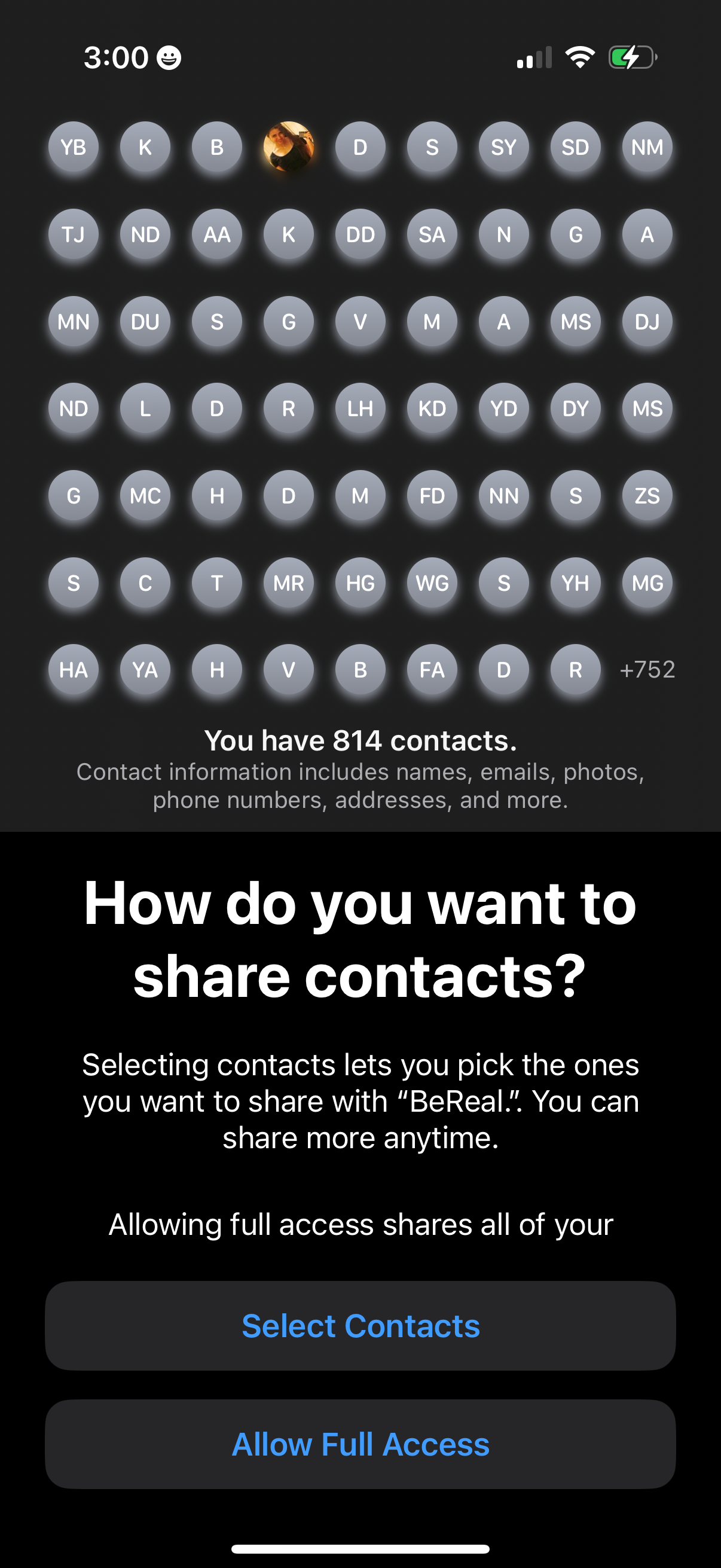
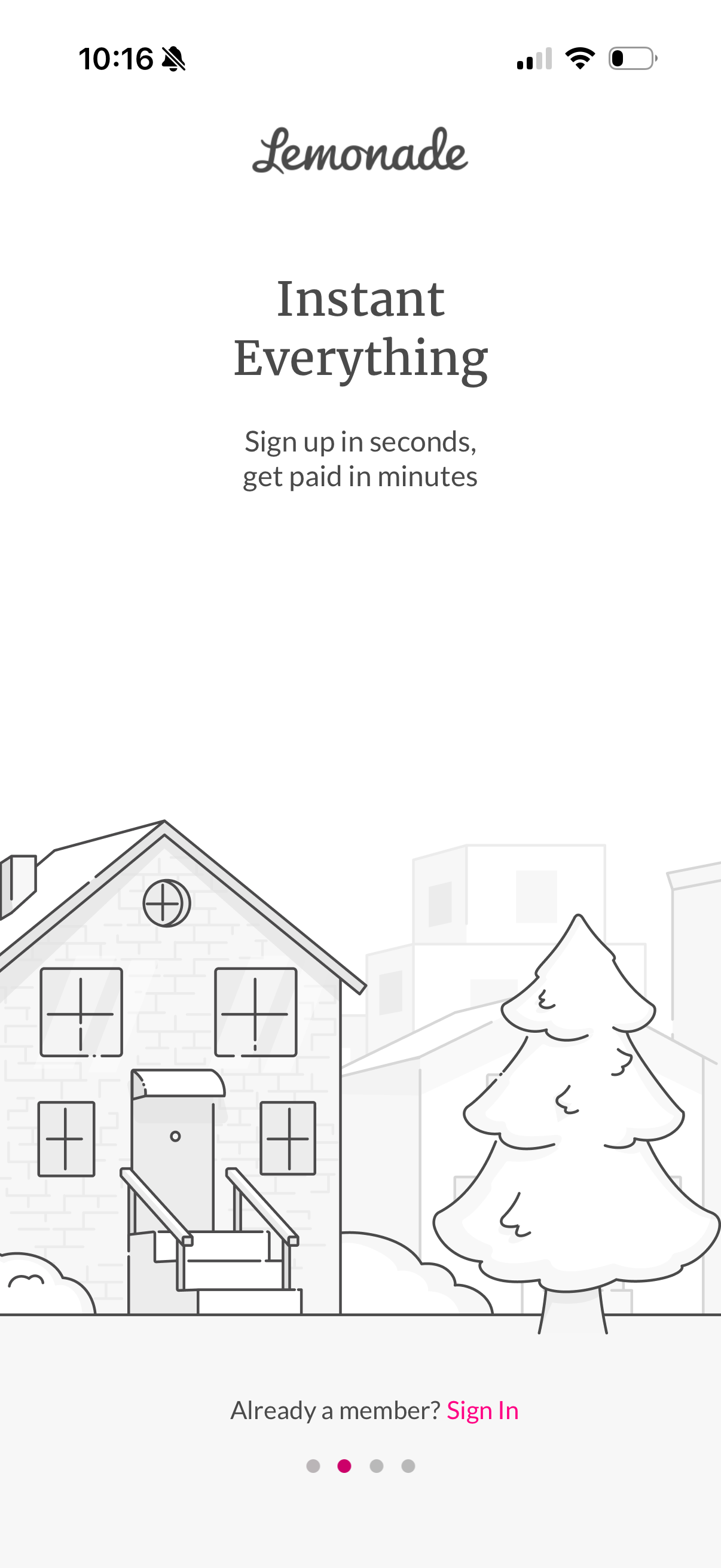
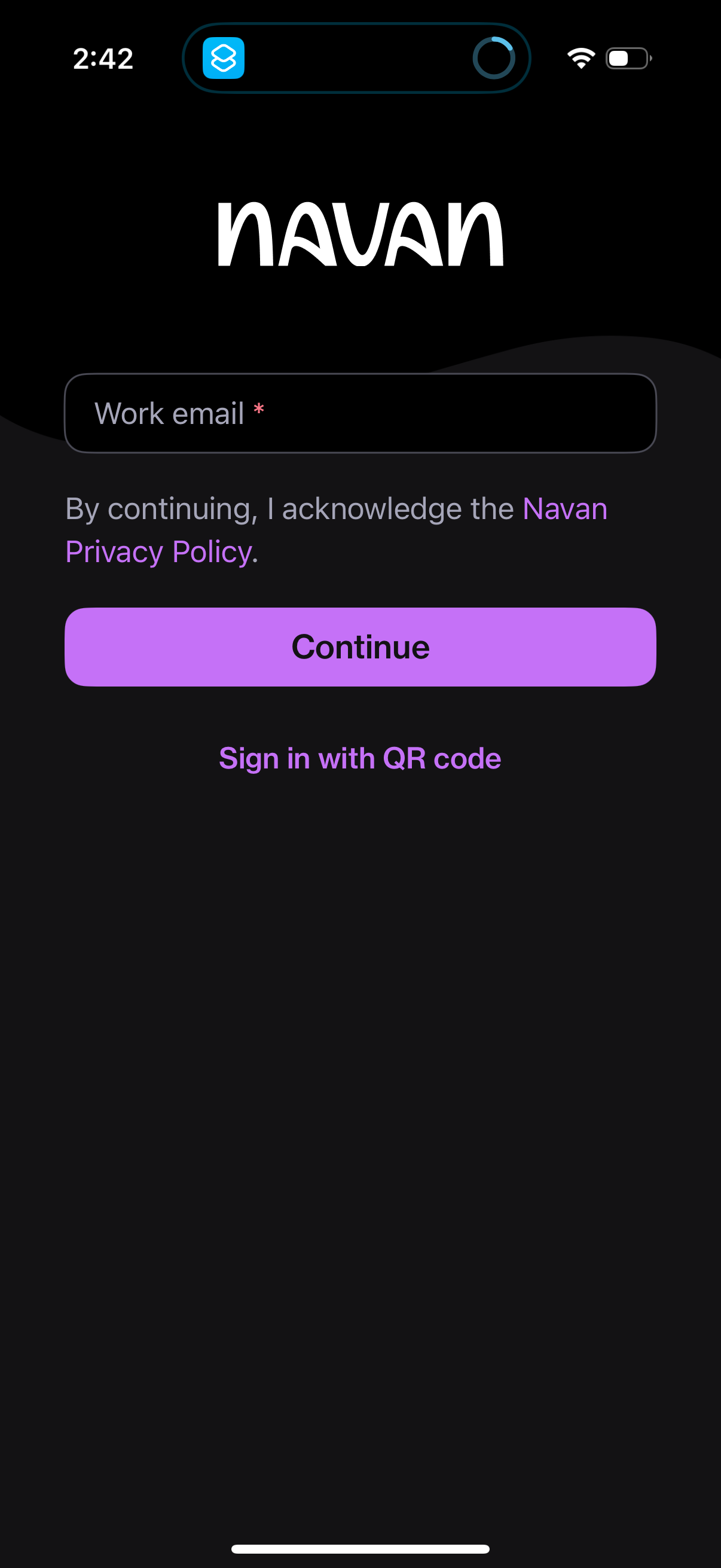
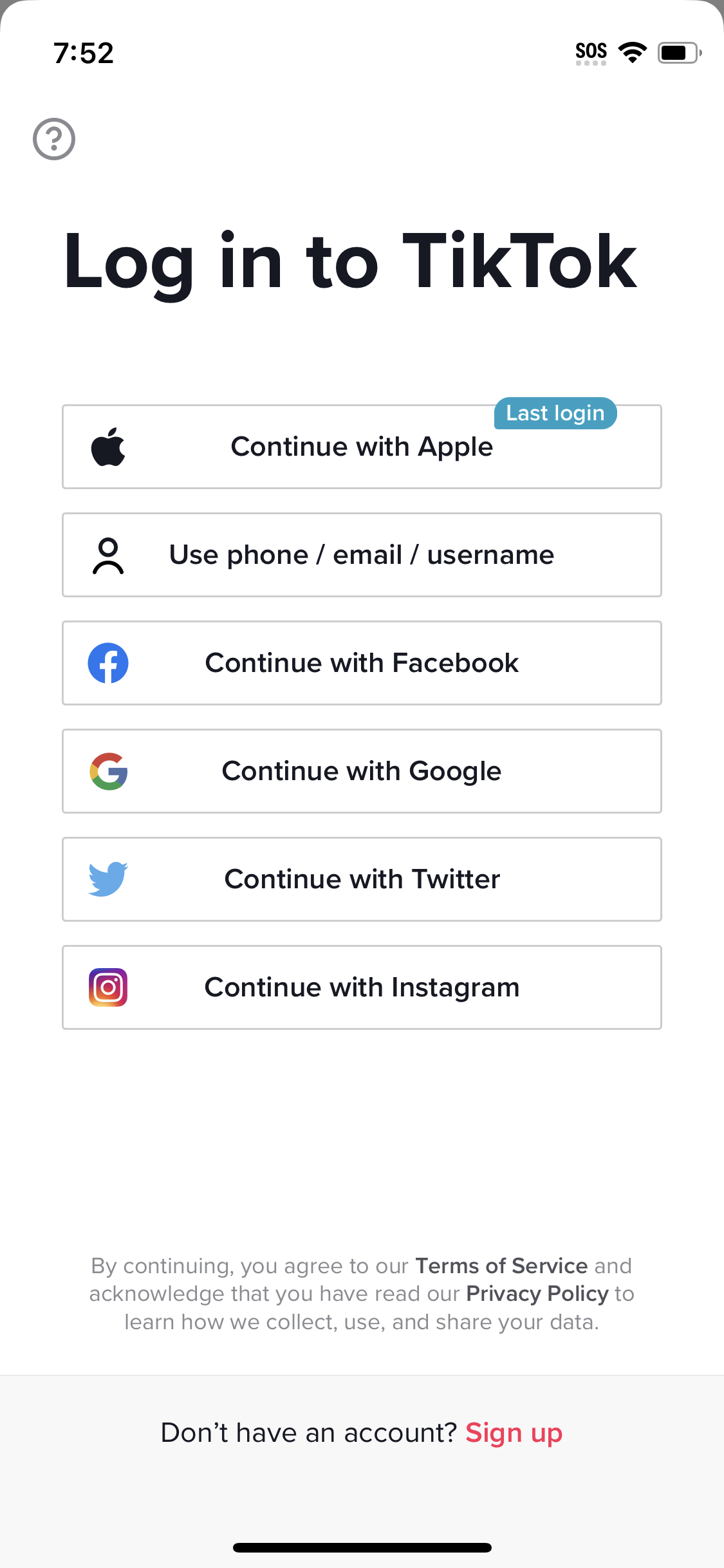
The finding: hero-led, form-heavy, and concentrated
The business category contributes 119 annotations across 72 experiments — but from only 5 companies, dominated by Workday (32 annotated experiments, the single most-tested company in the corpus) and Navan (24) [1][2]. Its top areas are HERO (37) and FORM (18) [1]. The high FORM presence is distinctive: FORM is the least-tested area corpus-wide (37 annotations total), so 18 of them coming from this handful of enterprise companies is notable [1][3].
Business top tested areas
Cells with n>=8 [1]:
| Area | Annotations |
|---|---|
| HERO | 37 |
| FORM | 18 |
FORM is the highest model-impact area corpus-wide (3.84/5, 86.5% high-impact), so these enterprise teams are testing a high-yield surface — but on a tiny company base [3]. A representative CTA move from the B2B side of the corpus: switching a persistent nav CTA from 'Book a demo' to 'Start free trial' to move from sales-led to product-led [4].
How to apply it
For a B2B/enterprise product, the observed peers test the hero and the signup/lead form heavily [1]. The form patterns (single input that routes users, address/email field before auth) plus the sales-led-to-product-led CTA swap are the concrete moves to borrow [3][4]. But because this cut is 5 companies, validate against your own funnel before treating the mix as a benchmark [2].
Caveats
This is the most concentrated category cut: 119 annotations from only 5 companies, Workday/Navan-heavy — flag the concentration whenever citing it [2]. Only n>=8 cells shown [1]. Impact figures are model-assigned relative scores, not lift [3].
The numbers
| Stat | Computed from |
|---|---|
| Business: 119 annotations, 72 experiments, 5 companies; top areas HERO 37, FORM 18 | category_totals; category_top_area |
| Business cut is Workday (32) and Navan (24) dominated across only 5 companies | top_testing_companies; smallSampleWarnings |
| FORM is least-tested area corpus-wide (37 total) but highest impact (3.84/5, 86.5% high-impact) | area_FORM; high_impact_share_by_area |
| Example CTA move: Cycle switched a persistent nav CTA from 'Book a demo' to 'Start free trial' | qualitative CTA cycle |
Sources & citations
- [1] Lazyweb Research analysis of 119 business-category experiments (5 apps), July 2026. Area annotations for business-category companies within 2,160 annotations. ↩
- [2] Lazyweb Research analysis of top testing companies (~800 tracked apps), July 2026. Concentration flag: 5 companies, Workday/Navan-dominated. ↩
- [3] Lazyweb Research analysis of the FORM area and high-impact shares (n>=30 areas), July 2026. FORM total and model-assigned impact. ↩
- [4] Lazyweb Research analysis of 2,160 annotated experiments (~800 tracked apps), July 2026. Named example is a single observed diff with inferred rationale. ↩
Source: Lazyweb Research — proprietary analysis of real, in-market app screens. Cite as Lazyweb Research, 2026-07-07.