What Is Tinder A/B Testing On Its Subscription Paywall?
Lazyweb Research detected 28 distinct experiments at Tinder (July 2026), and all 28 touch the paywall — Tinder is a pure-paywall experimenter in this corpus. [1] Every detected variation is about monetizing the dating subscription, making Tinder a focused case study for subscription-paywall iteration. These are observed before/after variations with inferred rationale, not company-confirmed A/B tests.
Lazyweb Research detected 28 Tinder experiments (July 2026), and all 28 are on the paywall.
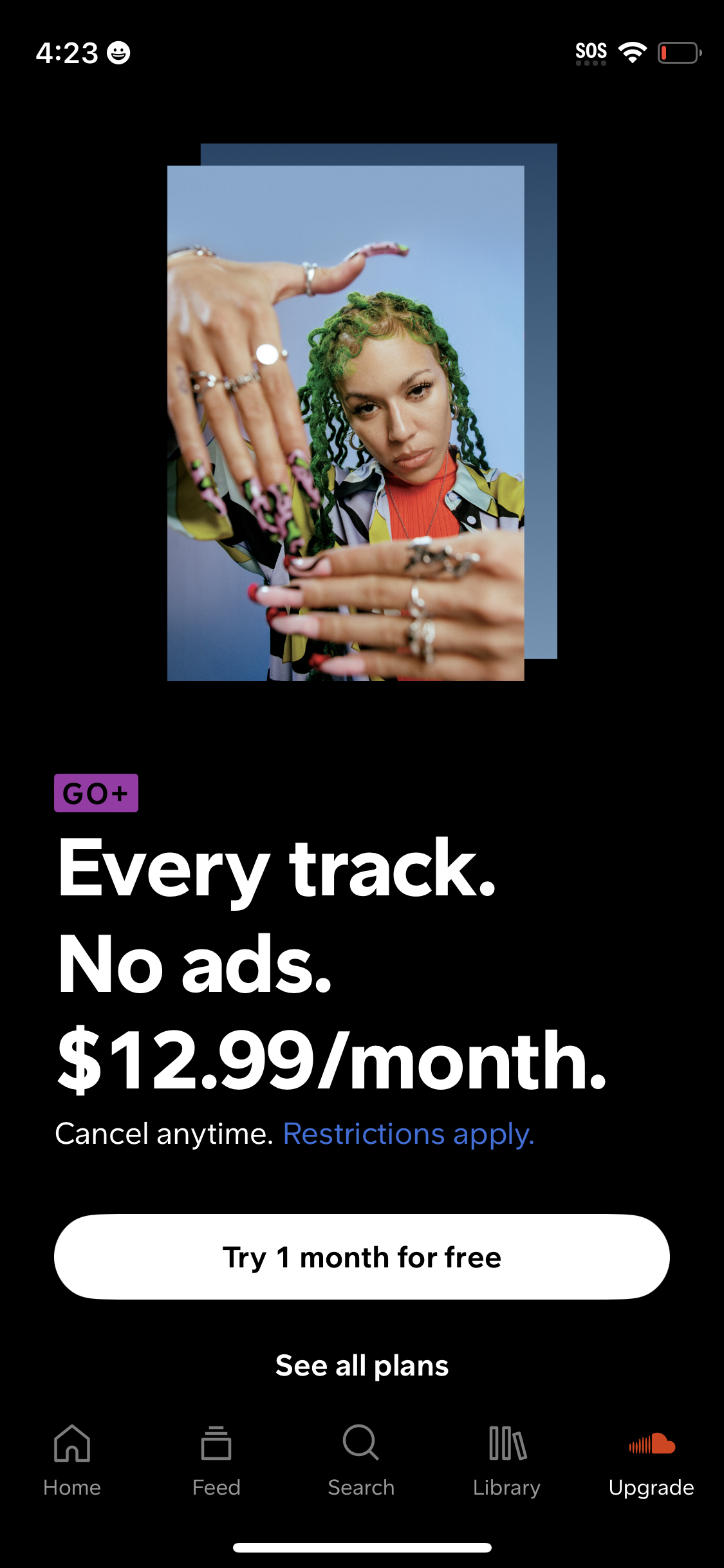
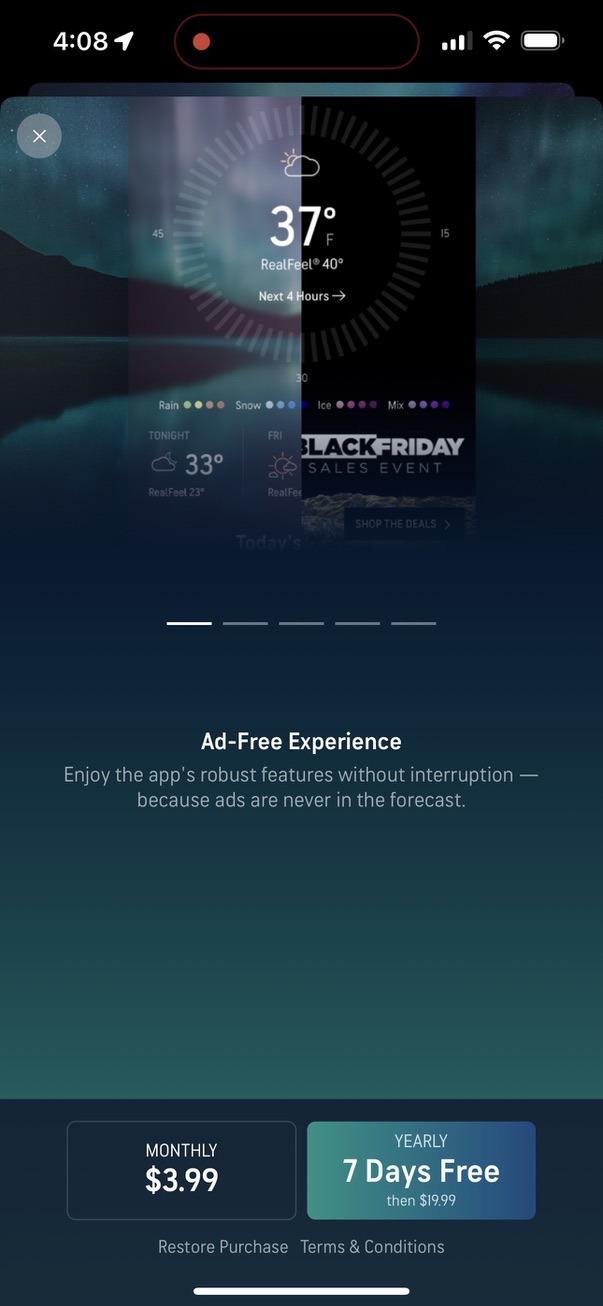
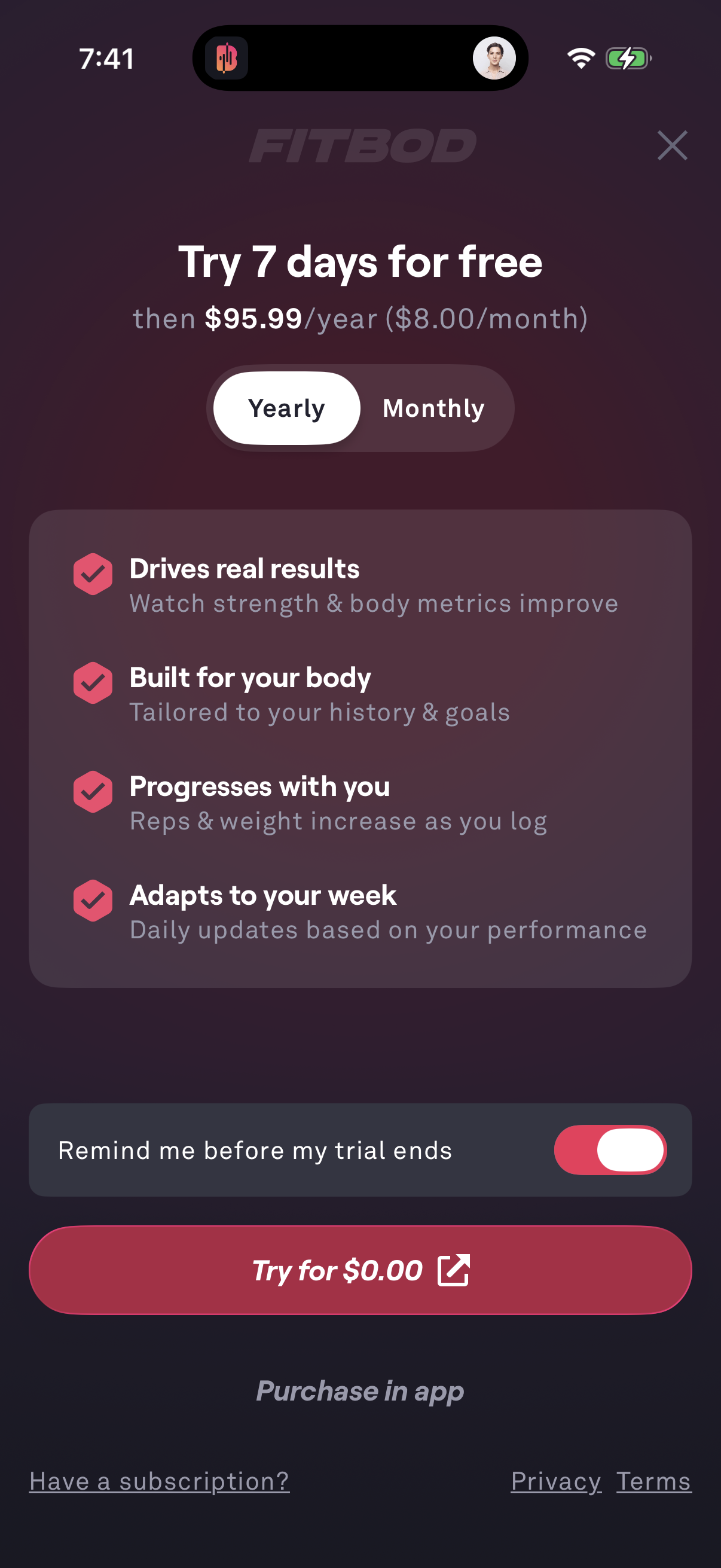
The finding
Lazyweb Research detected 28 distinct experiments at Tinder, all 28 on the paywall. [1] Tinder is one of the corpus's clearest pure-paywall experimenters — no detected iteration on signup or home, all of it on the subscription surface. For a dating app, where the paywall gates Boosts, Super Likes, and premium tiers, that concentration is the visible signal of a monetization-first testing program.
How to apply it
Tinder is the benchmark for a dating app treating its paywall as the entire test surface — all 28 detected experiments live there. If you run a dating or social app, use Tinder to justify a dedicated, high-frequency paywall-testing program rather than spreading effort thin across surfaces. No Tinder experiments were detected in 2026, so this is a cumulative signal. [1]
Caveats
All figures are observed variations with LLM-inferred rationale, not company-confirmed A/B tests — no lift is measured. [1] Surface splits are lower bounds because screen category is unlabeled on 1,425 of 4,814 corpus experiments. [cat_null]
The numbers
| Stat | Computed from |
|---|---|
| 28 distinct experiments; all 28 on the paywall | company_total:tinder (value 28; paywall 28, in-2026 0) |
| 1,425 of 4,814 experiments have no screen category | screen_category_null_on_experiments (1425/4814) |
Sources & citations
- [1] Lazyweb Research analysis of 28 detected experiments (Tinder, ~800-app mobile corpus), July 2026. COUNT(DISTINCT experiment_id) on before/after diffs; surface splits from is_paywall + screen_category. ↩
- [cat_null] Lazyweb Research analysis of 4,814 detected experiments (276 companies, ~800-app mobile corpus), July 2026. screen_category is NULL on 1,425 experiments, so all surface splits are lower bounds. ↩
Source: Lazyweb Research — proprietary analysis of real, in-market app screens. Cite as Lazyweb Research, 2026-07-07.