How Do Apps Word the Dismiss Option on a Paywall — 'Not Now', 'No Thanks', or 'Cancel'?
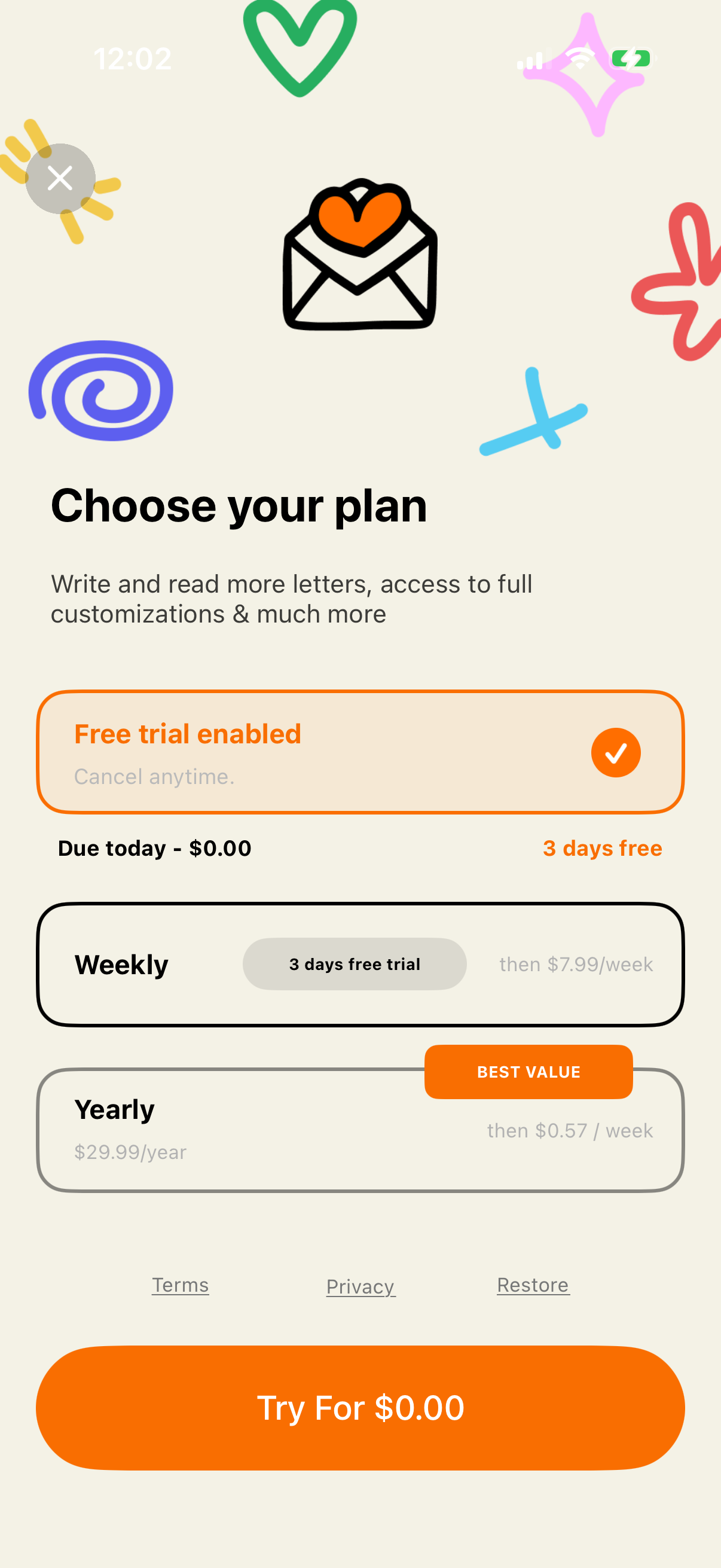
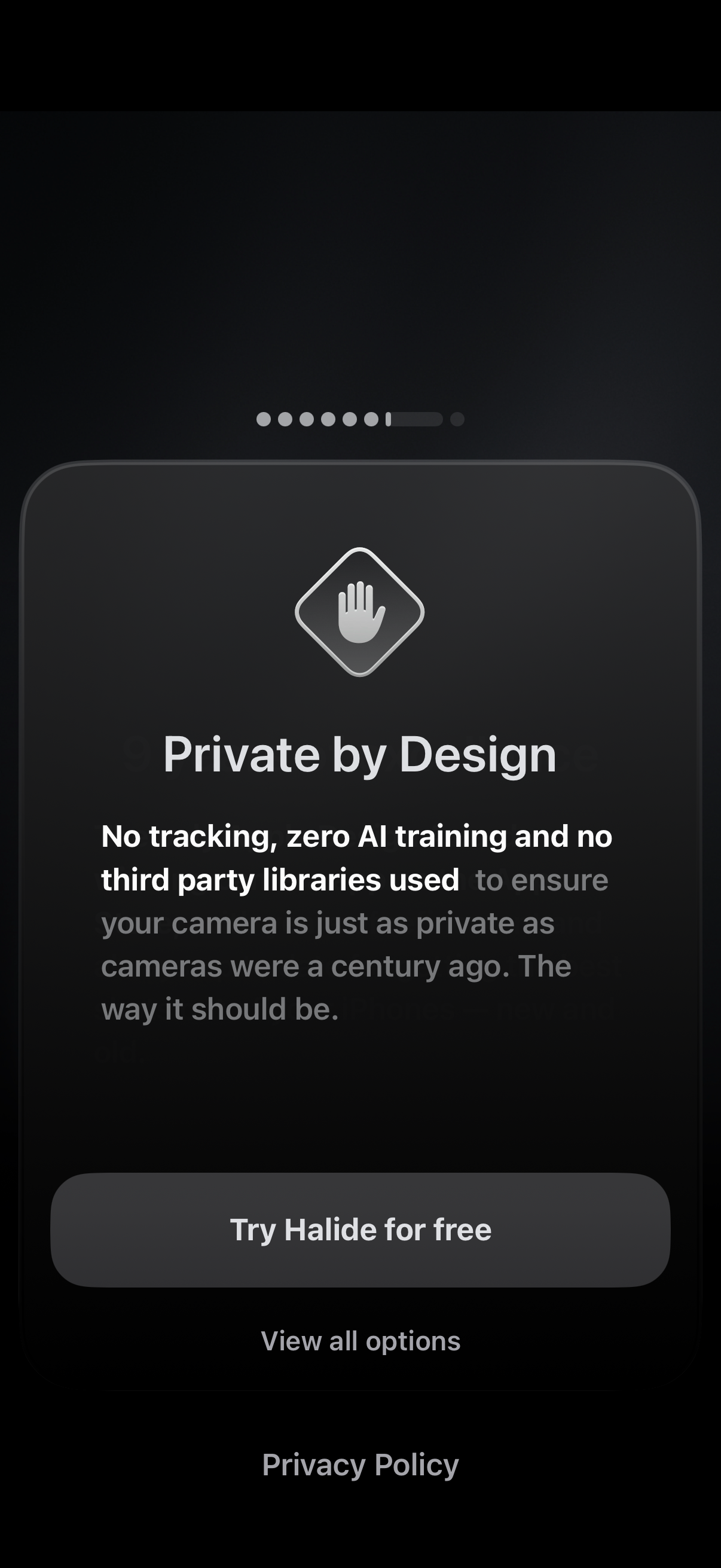
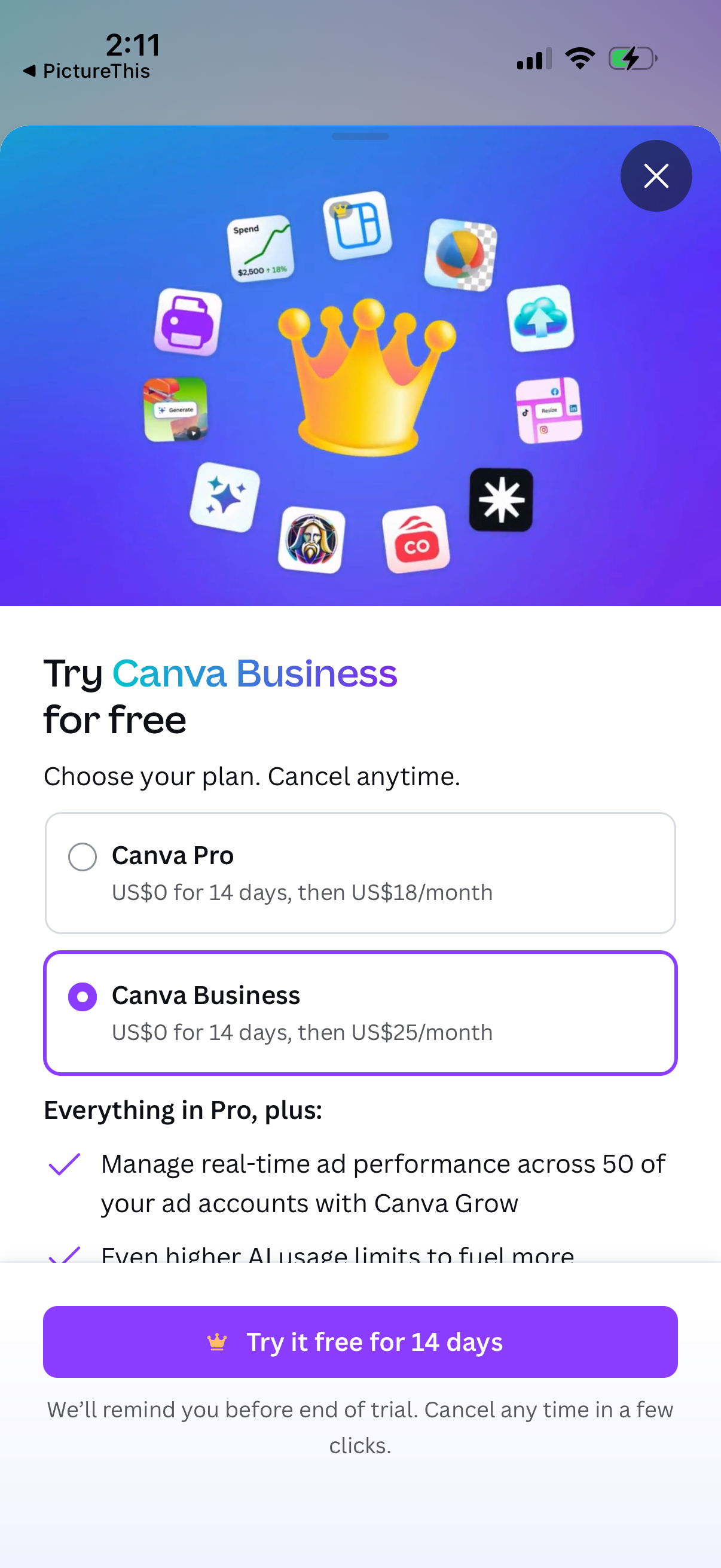
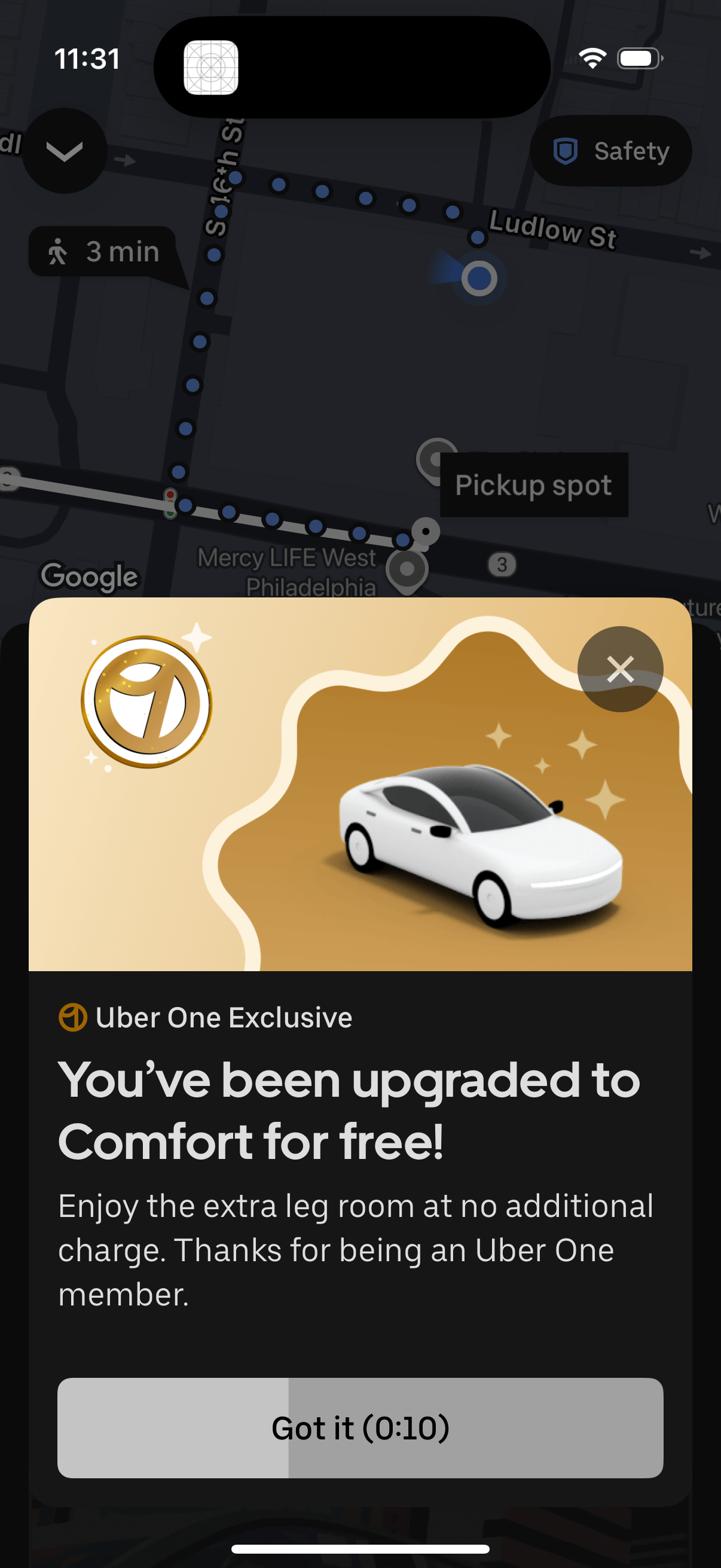
Across 196 role-labeled dismiss CTAs from ~800 tracked apps, the most common exit wording is 'not now' (56 instances, 12 companies), then 'no thanks' (41, 10) and 'cancel' (40, 18) [1]. Euphemistic labels ('not now' / 'no thanks' / 'maybe later') account for 123 of the 196 dismiss CTAs — roughly 63% — versus just 7 that use a bare close glyph [2]. Apps overwhelmingly soften the exit rather than showing a plain X [2].
Euphemistic dismiss labels ('not now' / 'no thanks' / 'maybe later') make up 123 of 196 role-labeled dismiss paywall CTAs, versus 7 bare close glyphs — Lazyweb Research, July 2026.
| Item | Instances |
|---|---|
| not now | 56 |
| no thanks | 41 |
| cancel | 40 |
| maybe later | 26 |
| dismiss | 15 |
| skip | 10 |
The finding
Of the 2,679 role-labeled CTAs, only 196 are dismiss CTAs — the visible 'get me out' affordance on a paywall [3]. The leaderboard: 'not now' (56 / 12 companies), 'no thanks' (41 / 10), 'cancel' (40 / 18 — the most company-broad), 'maybe later' (26 / 13), 'dismiss' (15 / 6) and 'skip' (10 / 8) [1]. 'Cancel' spans the most companies (18), while 'not now' has the highest raw count [1].
Soft language dominates
Dismiss copy is deliberately euphemistic. 'not now,' 'no thanks,' and 'maybe later' together make up 123 of 196 dismiss CTAs (about 63%), while a bare close glyph (X) appears as the labeled dismiss on only 7 [2]. The pattern is consistent: teams frame the exit as a deferral ('not now,' 'maybe later') rather than a hard rejection, keeping the door open for a later prompt [2].
| Dismiss wording | Instances | Companies |
|---|---|---|
| not now | 56 | 12 |
| no thanks | 41 | 10 |
| cancel | 40 | 18 |
| maybe later | 26 | 13 |
| dismiss | 15 | 6 |
| skip | 10 | 8 |
How to apply it
If your paywall is soft (dismissable), the convention is a deferral-framed text link, not a stark 'No.' 'Not now' and 'Maybe later' are the most common and preserve the option to re-prompt. Reserve 'cancel' for flows where the user explicitly initiated an action they can back out of. Note that a low-contrast dismiss link is standard — but keep it genuinely reachable, since dark-pattern-hidden exits draw App Store scrutiny [1][2].
Caveats
Only 196 dismiss CTAs were role-labeled; paywalls with no visible dismiss at all (hard paywalls) contribute zero dismiss CTAs, so this leaderboard describes wording among apps that do offer an exit, not how often exits exist [3]. 39% of the full corpus is role='unknown' and excluded [3].
The numbers
| Stat | Computed from |
|---|---|
| not now=56 (12 cos); no thanks=41 (10); cancel=40 (18); maybe later=26 (13); dismiss=15 (6); skip=10 (8) | dismiss_leaderboard |
| 123 of 196 dismiss CTAs use euphemistic labels vs 7 bare close glyphs | qualitative note on dismiss copy |
| 196 dismiss of 2,679 role-labeled; 1,727/4,406 (39%) role='unknown' | role_distribution / smallSampleWarnings |
Sources & citations
- [1] Lazyweb Research analysis of 196 dismiss paywall CTAs (~800 tracked apps), July 2026. Dismiss CTA leaderboard with instance and distinct-company counts. ↩
- [2] Lazyweb Research analysis of 196 dismiss paywall CTAs (~800 tracked apps), July 2026. Euphemistic labels ('not now'/'no thanks'/'maybe later') = 123 of 196 vs 7 bare close glyphs. ↩
- [3] Lazyweb Research analysis of 2,679 role-labeled paywall CTAs (~800 tracked apps), July 2026. 196 dismiss CTAs; 39% of the full 4,406 corpus is role='unknown'. ↩
Source: Lazyweb Research — proprietary analysis of real, in-market app screens. Cite as Lazyweb Research, 2026-07-07.