Should you offer a discount when a free trial expires?
The corpus supports it as a named pattern, not a measured one: the clearest example is Headway, whose post-trial screen reads 'Your trial Premium access has expired → Continue 50% off.'[1] Discount-touching experiments are common overall — 247 of 795 detected paywall experiments (31.1%) change a discount or offer[2] — but win-back/post-trial ones specifically are thin (8 of 795).[3] Treat a 50%-off trial-expiry offer as a well-precedented hypothesis to test.
31.1% of detected paywall experiments (247 of 795) touch a discount or offer; post-trial 50%-off continuation is the named pattern — Lazyweb Research, July 2026.
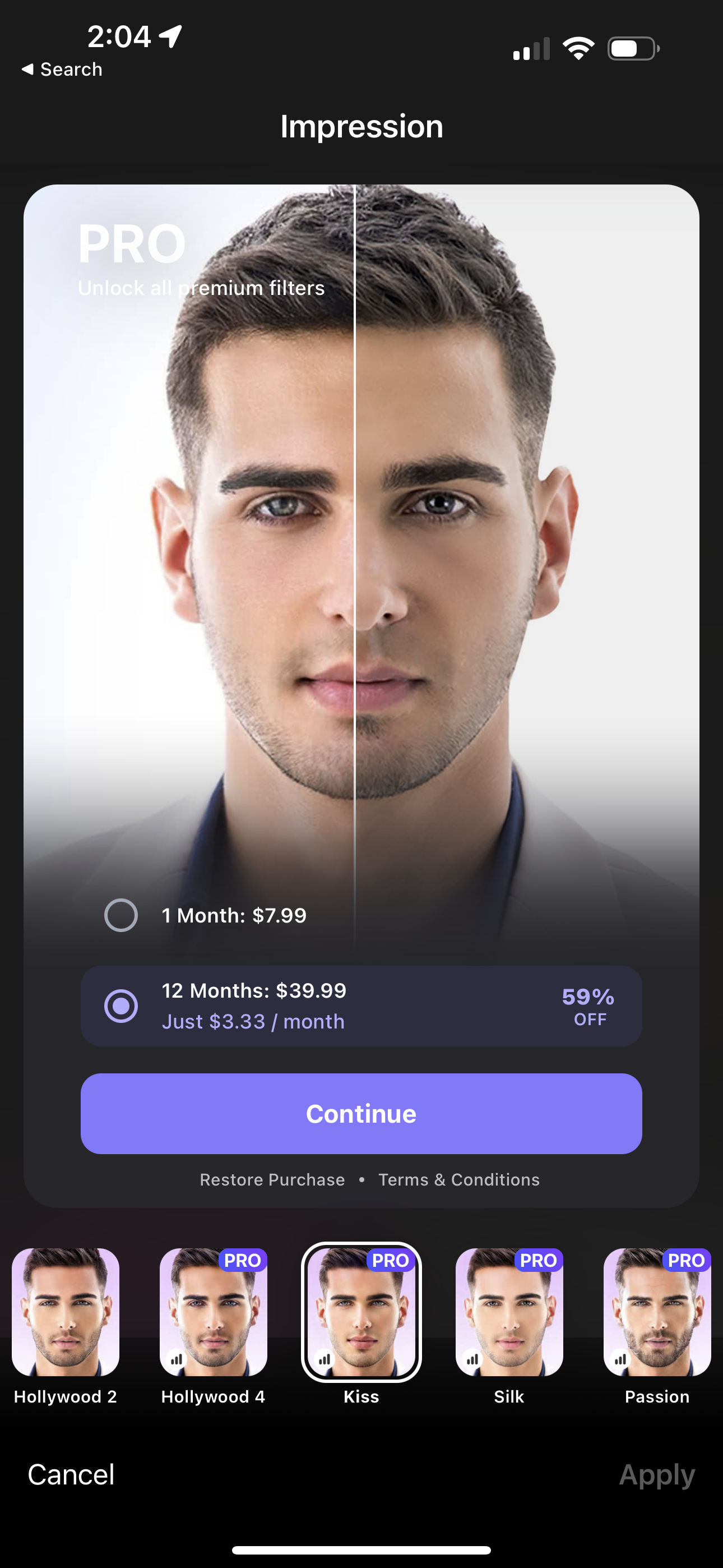
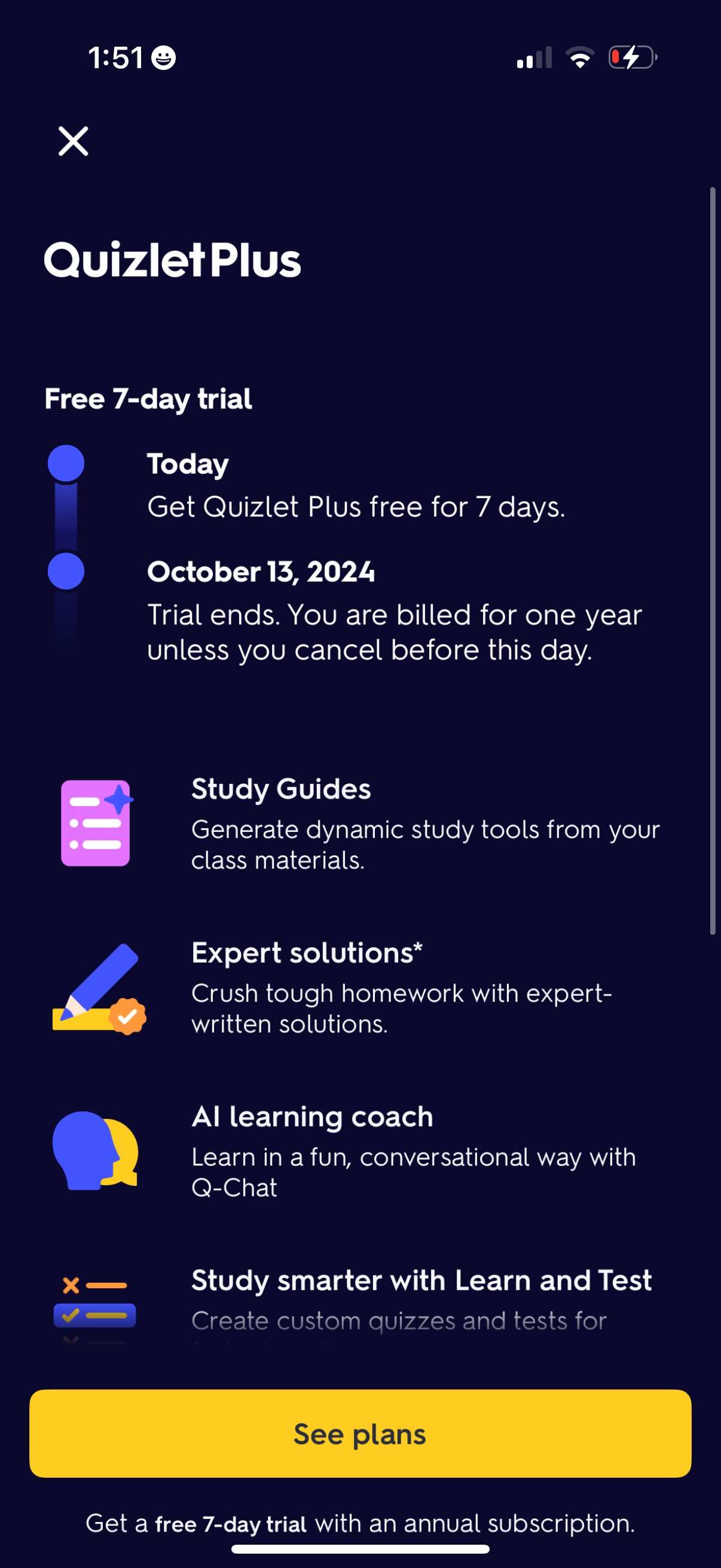
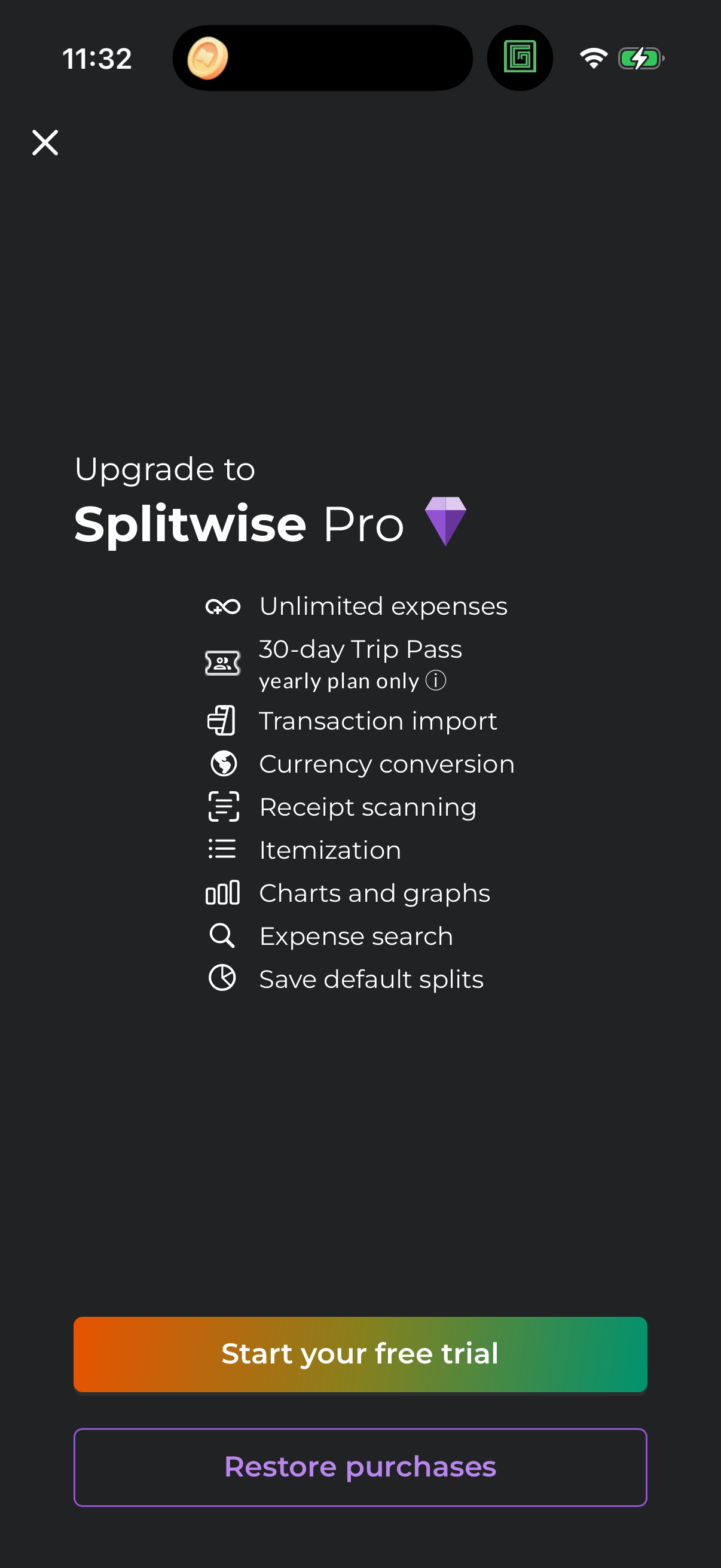
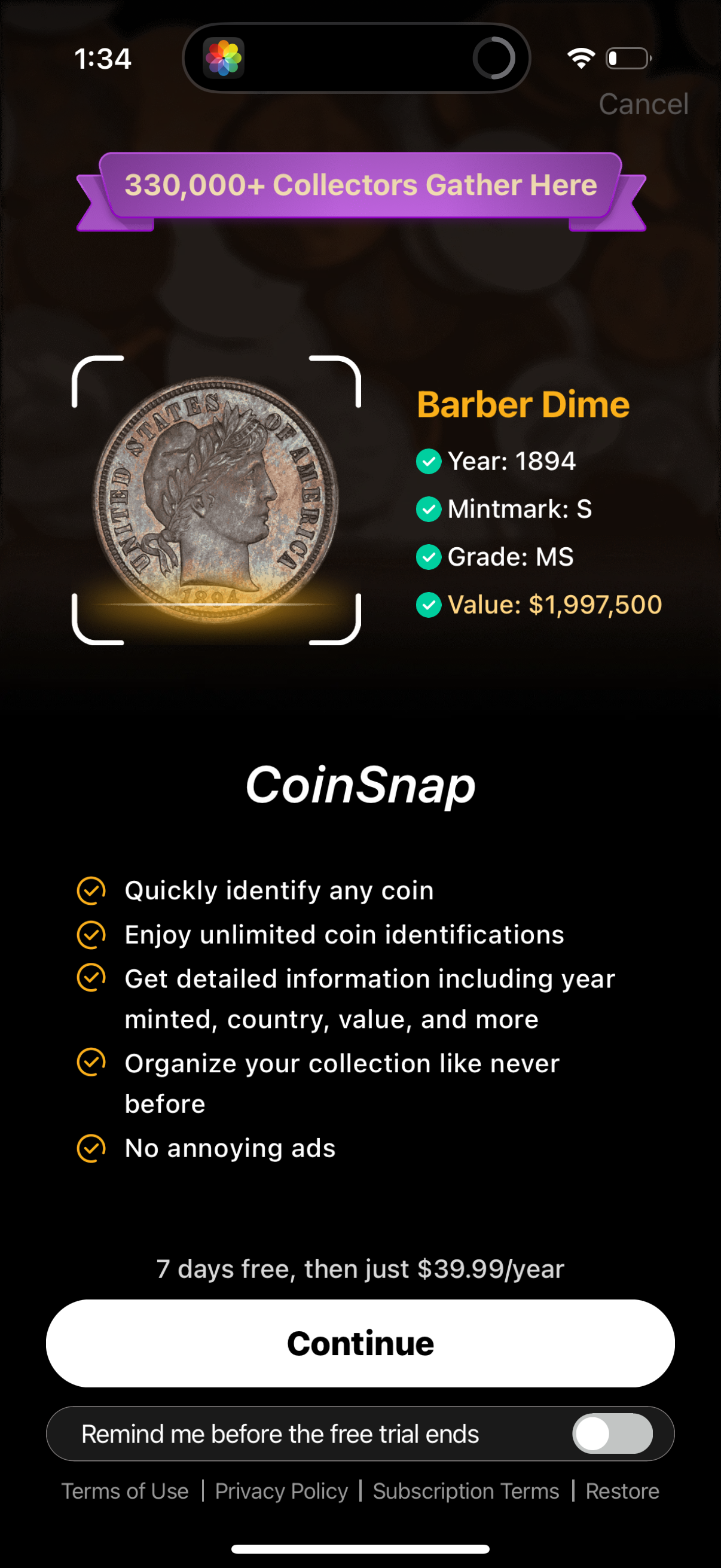
The finding: discounts move a lot; post-trial ones are named, not counted
Discounting is the single most-touched lever in detected paywall experiments: 247 of 795 (31.1%) change a discount or offer element.[2] But the post-trial/win-back slice is small — only 8 of 795 experiments touch those surfaces — so trial-expiry discounting is evidenced by named example rather than by a rate.[3]
| Experiment type | Count |
|---|---|
| Touch a discount/offer | 247 of 795 (31.1%) |
| Touch win-back/second-chance/post-trial | 8 of 795 |
The anchor example: Headway converts trial expiry directly into 'Continue 50% off.'[1]
How to apply it
Use the trial-expiry moment as the offer surface, the way Headway does — the user has just lost access, so a discounted 'continue' is a natural re-entry rather than a fresh pitch.[1] Anchor the offer at 50%, matching the evidenced win-back examples (Headway, LinkedIn's reactivation).[1] Because the corpus can't tell you the lift, ship it as an A/B: full-price continuation vs 50%-off continuation, and watch net revenue (deeper discount can win volume but lose ARPU). Pair the discount with a soft deadline only if it's truthful, following the urgency-copy patterns other apps use.
Caveats
The 31.1% figure is 'experiments that touch a discount,' i.e. detected before/after UI diffs with inferred rationale — not measured lift and not specific to trial expiry.[2] The post-trial pattern rests on a small set of named examples (Headway most clearly), so it's a design precedent, not a benchmark.[3] Validate depth and deadline with your own experiment before treating 50% as settled.
The numbers
| Stat | Computed from |
|---|---|
| Headway: 'Your trial Premium access has expired' -> 'Continue 50% off' | named_discount_example_headway |
| 247 of 795 detected paywall experiments (31.1%) touch a discount or offer | discount_experiments_count |
| Only 8 of 795 detected experiments touch win-back/second-chance/declined surfaces | winback_experiments_count |
Sources & citations
- [1] Lazyweb Research analysis of 4,406 paywall CTAs (252 tracked paywall companies), July 2026. Named example: Headway post-trial-expiry 'Continue 50% off'. ↩
- [2] Lazyweb Research analysis of 795 detected paywall-CTA experiments (252 tracked paywall companies), July 2026. Experiments touching a discount/offer element; detected diffs with inferred rationale, not measured lift. ↩
- [3] Lazyweb Research analysis of 795 detected paywall-CTA experiments (252 tracked paywall companies), July 2026. Only 8 experiments touch win-back/second-chance/declined/post-trial surfaces. ↩
Source: Lazyweb Research — proprietary analysis of real, in-market app screens. Cite as Lazyweb Research, 2026-07-07.