How Do Apps Add Urgency and Scarcity Copy Around Paywall CTAs?
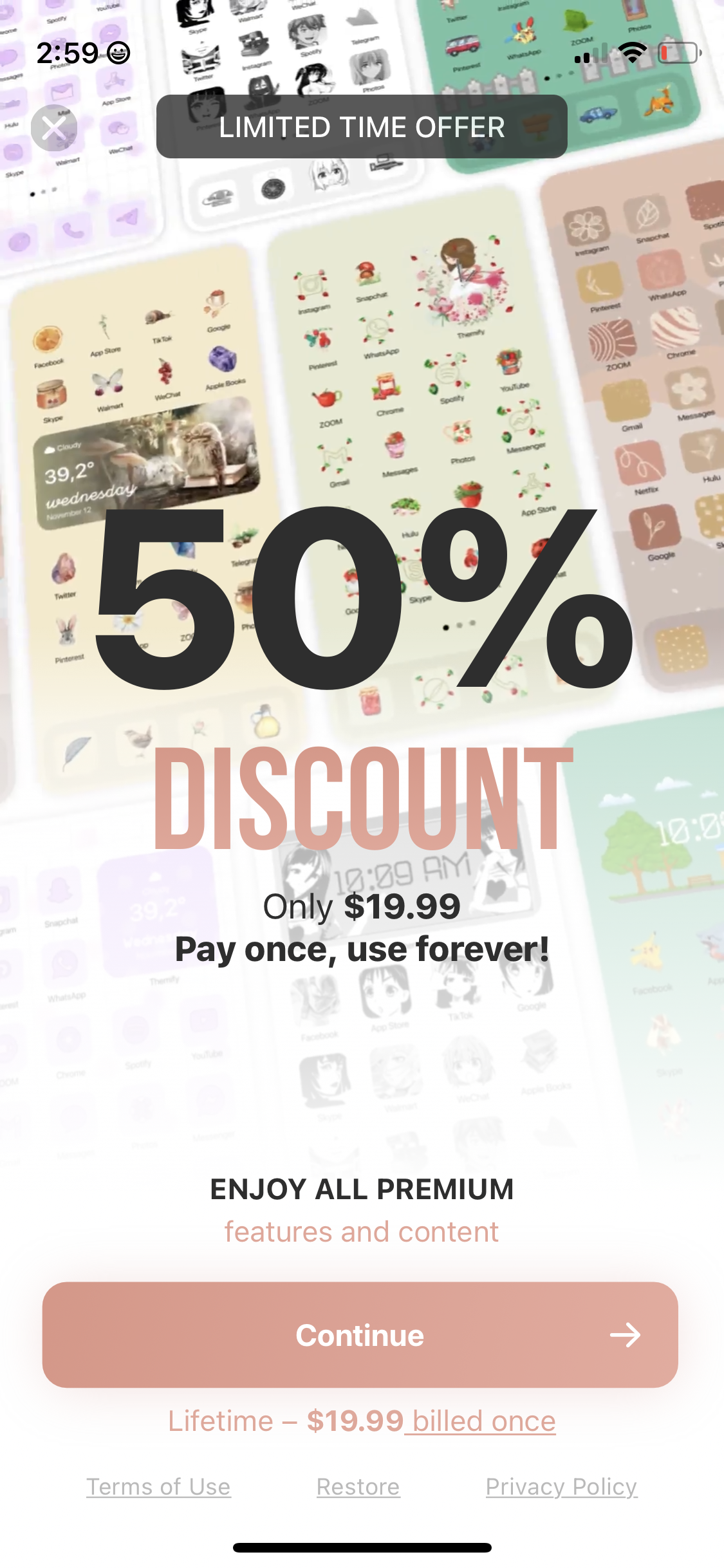
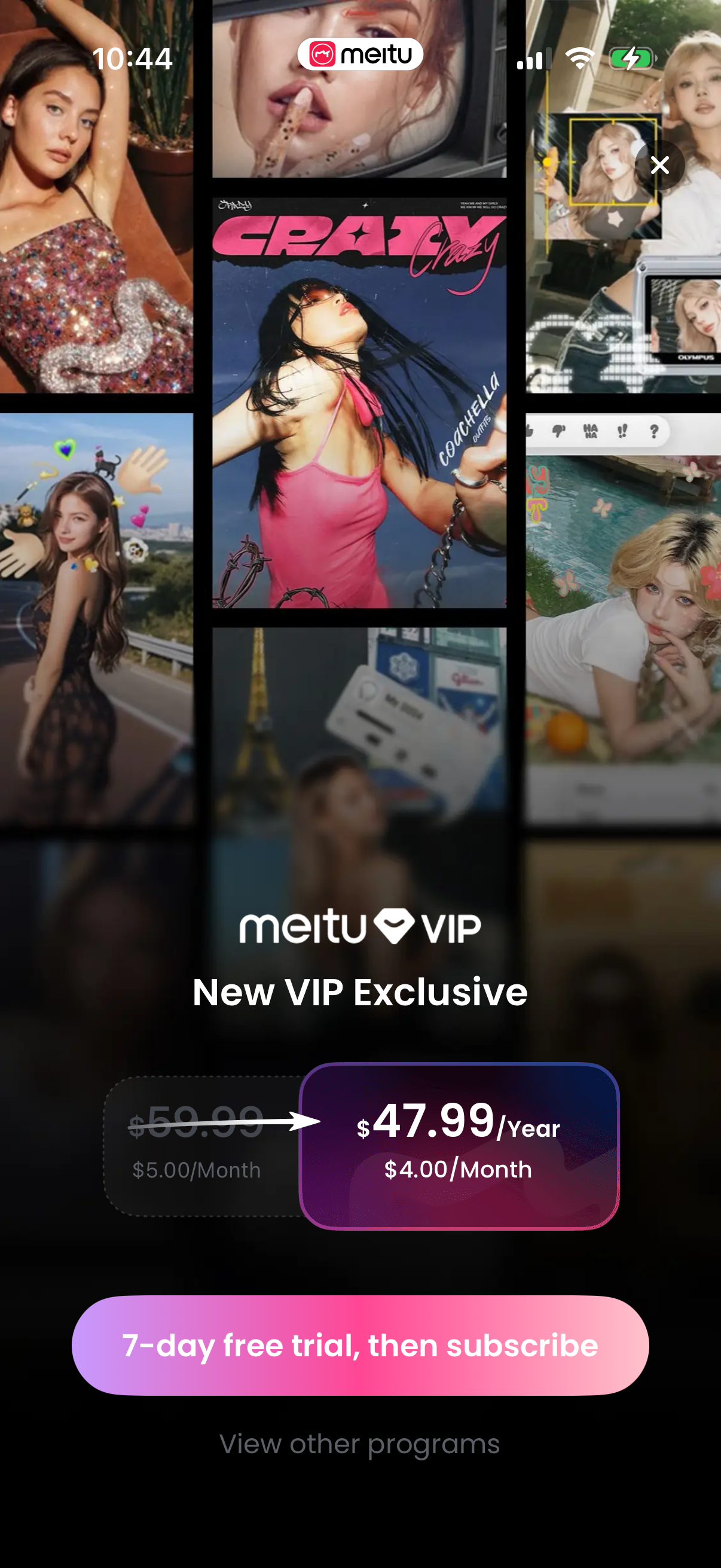
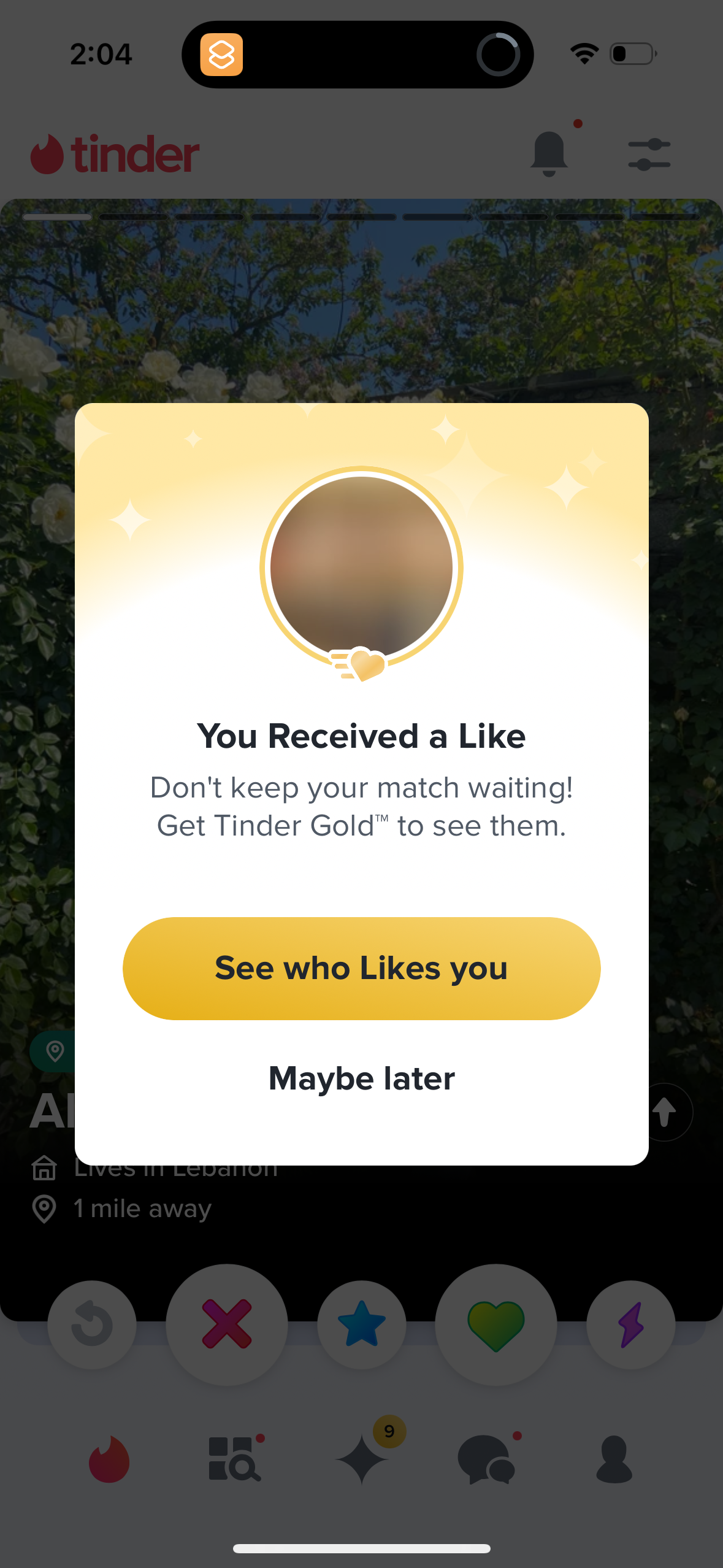
Urgency and scarcity are a niche paywall lever: just 69 of 795 detected CTA changes (9%) from 31 companies mention urgency, scarcity, countdowns, or limited-time framing.[1] It is far less common than price (381) or trials (249), and typically layers a deadline or seasonal banner onto an otherwise unchanged offer.[1] These are detected UI diffs with inferred rationale, not measured lift.
Only 69 of 795 detected paywall CTA changes (9%), from 31 companies, add urgency or scarcity copy — Lazyweb Research, July 2026.
The finding
Of 795 detected changes, 69 (9%) across 31 companies mention urgency, scarcity, limited-time, countdown, or expiry framing.[1] For comparison, price appears in 381 changes and trials in 249 — urgency is a minority tactic, not a default.
What the urgency edit usually looks like
The pattern is a deadline or seasonal wrapper on an existing offer rather than a rebuilt paywall. The NYT shifted from broad "Access everything" positioning to final-hours sale urgency while extending its low monthly intro from six to twelve months.[1] Brainly kept its "Start Free Trial" button unchanged but added a back-to-school offer banner and stronger included-benefit framing.[1] In both, the urgency is additive — the core CTA barely moves.
How to apply it
Because only 31 companies use it, urgency is a differentiator you layer on selectively — typically paired with a seasonal moment or a genuine price deadline, as NYT and Brainly did.[1] It is not the copy most apps reach for first; price presentation and trial framing are far more common and should usually be tested before urgency.
Caveats
69 is a mention count from regex over LLM text, not a count of measured urgency tests. All rows are detected diffs with inferred rationale, not A/B outcomes.[1]
The numbers
| Stat | Computed from |
|---|---|
| 795 | Total detected paywall CTA changes. |
| 69 (9%) | Changes mentioning urgency/scarcity/limited-time/countdown/expiry; 69/795. |
| 31 | Distinct companies in the urgency/scarcity theme. |
| 381 | Price-display theme count (for comparison). |
| 249 | Trial-wording theme count (for comparison). |
| six to twelve months | NYT monthly intro period extension (qualitative example). |
Sources & citations
- [1] Lazyweb Research analysis of 795 detected paywall CTA changes (146 companies, 69 in the urgency/scarcity theme), July 2026. Detected before/after UI diffs with LLM-inferred rationale (the 'learning' field), not measured A/B outcomes. Some cta_text rows contain descriptive annotations rather than pure button copy; theme tags are regex-over-LLM-text and approximate. ↩
Source: Lazyweb Research — proprietary analysis of real, in-market app screens. Cite as Lazyweb Research, 2026-07-07.
Explore the evidence
Related questions
More in How apps rewrite paywall CTAs (before/after experiment pages) →