What Do Education Apps Change About Their Paywall CTAs?
Across 190 detected paywall CTA changes at 18 education apps tracked by Lazyweb Research, 72 (38%) touched price display, 47 (25%) touched trial wording, and 32 (17%) added urgency or scarcity copy.[1] Education is the single largest vertical in the corpus by detected changes, so its mix is a reasonable reference for edtech growth teams.[2] These are detected UI diffs with inferred rationale, not measured A/B lift.
Among 190 detected paywall CTA changes at 18 education apps, 38% touched price display and 25% touched trial wording — Lazyweb Research, July 2026.
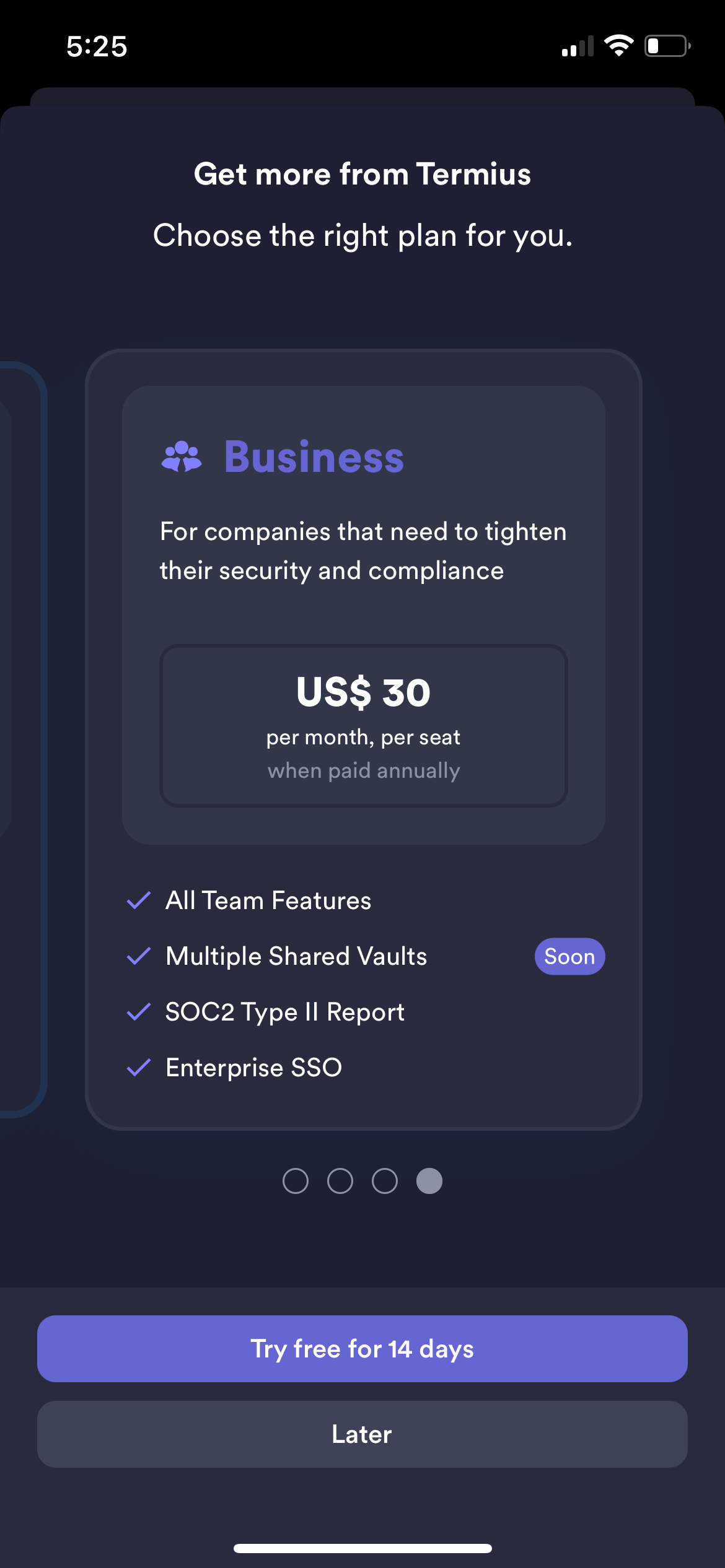


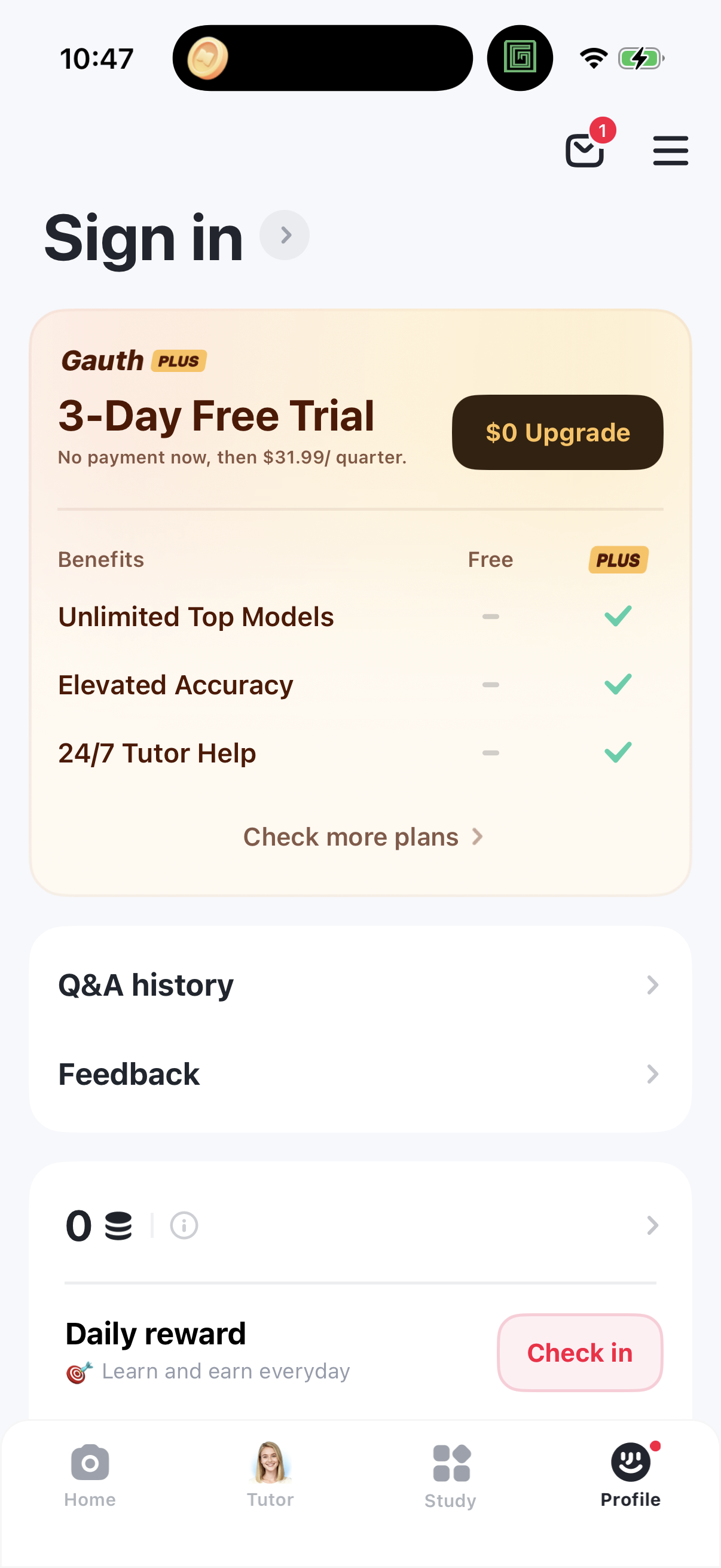
| Item | Share of 190 |
|---|---|
| Price display | 38% |
| Trial wording | 25% |
| Urgency / scarcity | 17% |
| Plan order / preselection | 4% (anecdote-level) |
The finding
Education apps account for 190 detected paywall CTA changes across 18 companies — the most of any vertical in the corpus.[1][2] The theme mix: 72 changes mention price display (38%), 47 mention trial wording (25%, across 12 companies), and 32 add urgency or scarcity copy (17%).[1] Plan-order/preselection changes are rare here at just 8 rows, so treat that lever as anecdote-level for edtech rather than a trend.[3]
Theme mix at education apps
| Theme | Changes | Share of 190 |
|---|---|---|
| Price display | 72 | 38% |
| Trial wording | 47 | 25% |
| Urgency / scarcity | 32 | 17% |
| Plan order / preselection | 8 | 4% (anecdote-level) |
Price and trial framing dominate; urgency is a notably larger share here than the corpus as a whole (where urgency is 69 of 795, ~9%).[1][4] The elevated urgency share fits a category that leans on back-to-school and exam-season timing.
An observed example
Elevate replaced a paid 'Unlock for $3 per month' CTA with 'Try free and unlock' plus '7-day trial, then $39.99/year. Cancel anytime.'[5] The inferred rationale is that removing upfront cost lowers the barrier and lets users experience value first — a trial-first reframe that fits the 25% trial-wording share above.[5]
How to apply it and caveats
If you run growth at an edtech app, the corpus points to price and trial framing as the busiest test surfaces, with seasonal urgency a bigger lever than in most verticals.[1] With 190 rows across 18 companies this vertical clears the n≥70 threshold for percentages, but plan-order (8 rows) is at the floor and should not be read as a rate.[3] All rows are detected UI diffs with inferred rationale, never measured A/B outcomes.
The numbers
| Stat | Computed from |
|---|---|
| Education: 190 changes / 18 companies; 72 price, 47 trial (12 cos), 32 urgency, 8 plan order | category_education |
| 795 detected paywall CTA changes total | headline_total_detected_cta_changes |
| Education plan-order = 8 rows (n=8 floor, anecdote-level) | smallSampleWarnings.education_plan_order |
| 69 changes mention urgency/scarcity corpus-wide | theme_urgency_scarcity |
| Elevate 'Unlock for $3 per month' → 'Try free and unlock' (7-day trial, then $39.99/yr) | qualitative.trial length wording.elevate |
Sources & citations
- [1] Lazyweb Research analysis of 190 detected paywall CTA changes at education apps (18 companies), July 2026. paywall_cta_experiments joined to companies.category = 'education'. Theme shares by regex over LLM-inferred change text. Plan-order = 8 rows (floor). ↩
- [2] Lazyweb Research analysis of 795 detected paywall CTA changes (146 companies), July 2026. Education is the largest vertical by detected changes. Every row is a detected UI diff with inferred rationale, not a measured A/B outcome. ↩
Source: Lazyweb Research — proprietary analysis of real, in-market app screens. Cite as Lazyweb Research, 2026-07-07.
Explore the evidence
Related questions
More in How apps rewrite paywall CTAs (before/after experiment pages) →