Do Apps Add or Remove Price From the Paywall Button When They Iterate?
Among 304 rewritten paywall buttons tracked by Lazyweb Research, adding and removing price are almost perfectly balanced: 20 rewrites (14 companies) added a price marker to the button while 18 (13 companies) removed one.[1] The other 266 rewrites either kept a price on both sides (23) or never put price on the button at all (243).[1] There is no single dominant direction — price-on-button is a genuine A/B coin-flip.
Of 304 rewritten paywall buttons, 20 added a price to the button and 18 removed one — a near-even split — Lazyweb Research, July 2026.
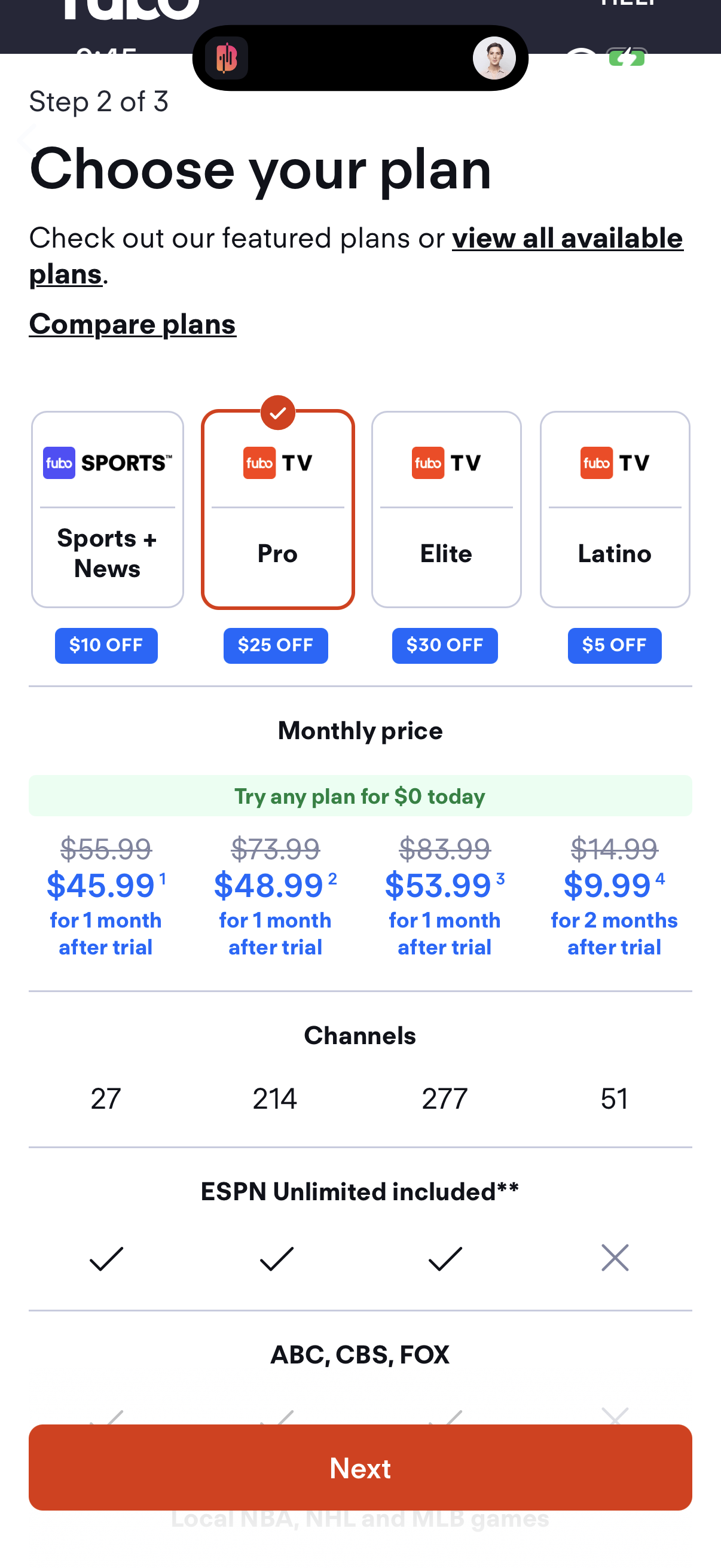
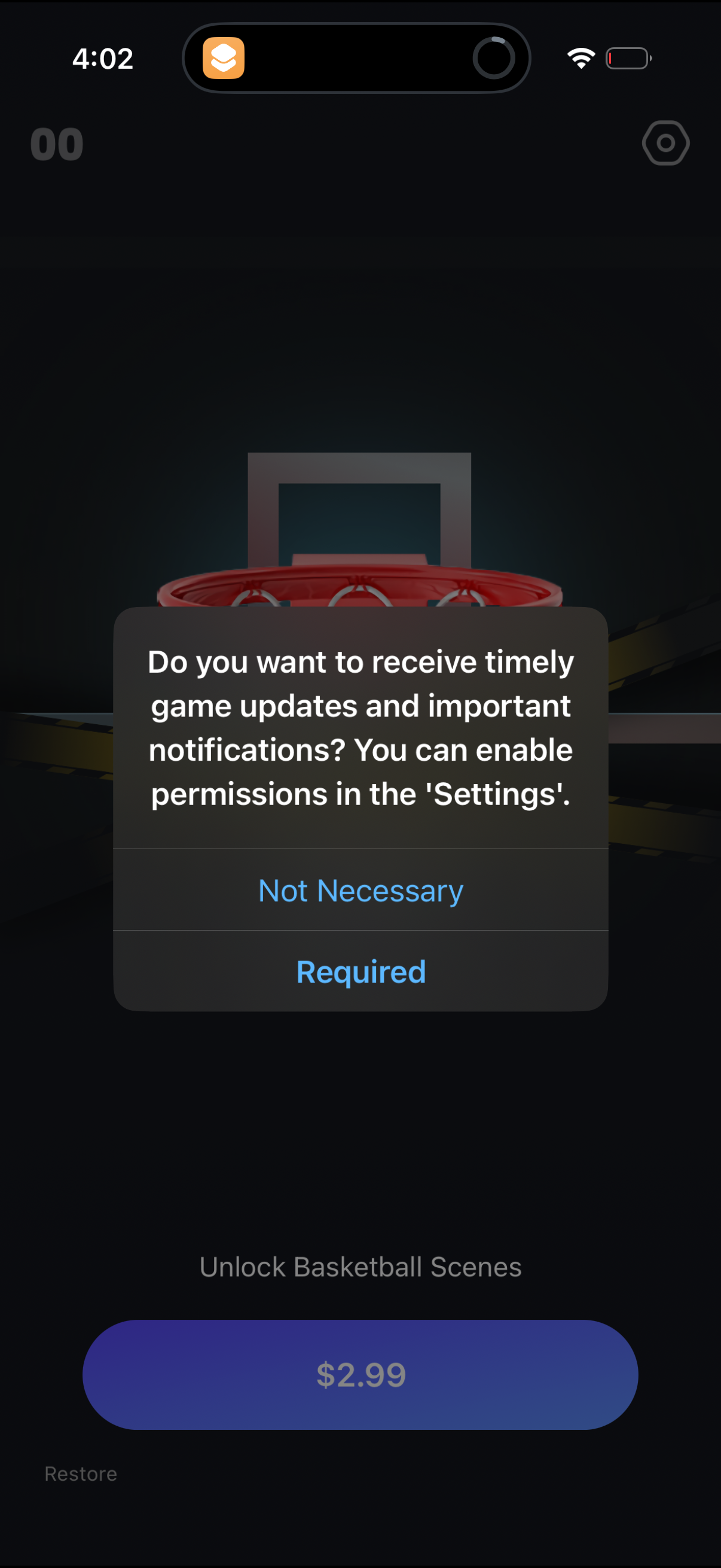
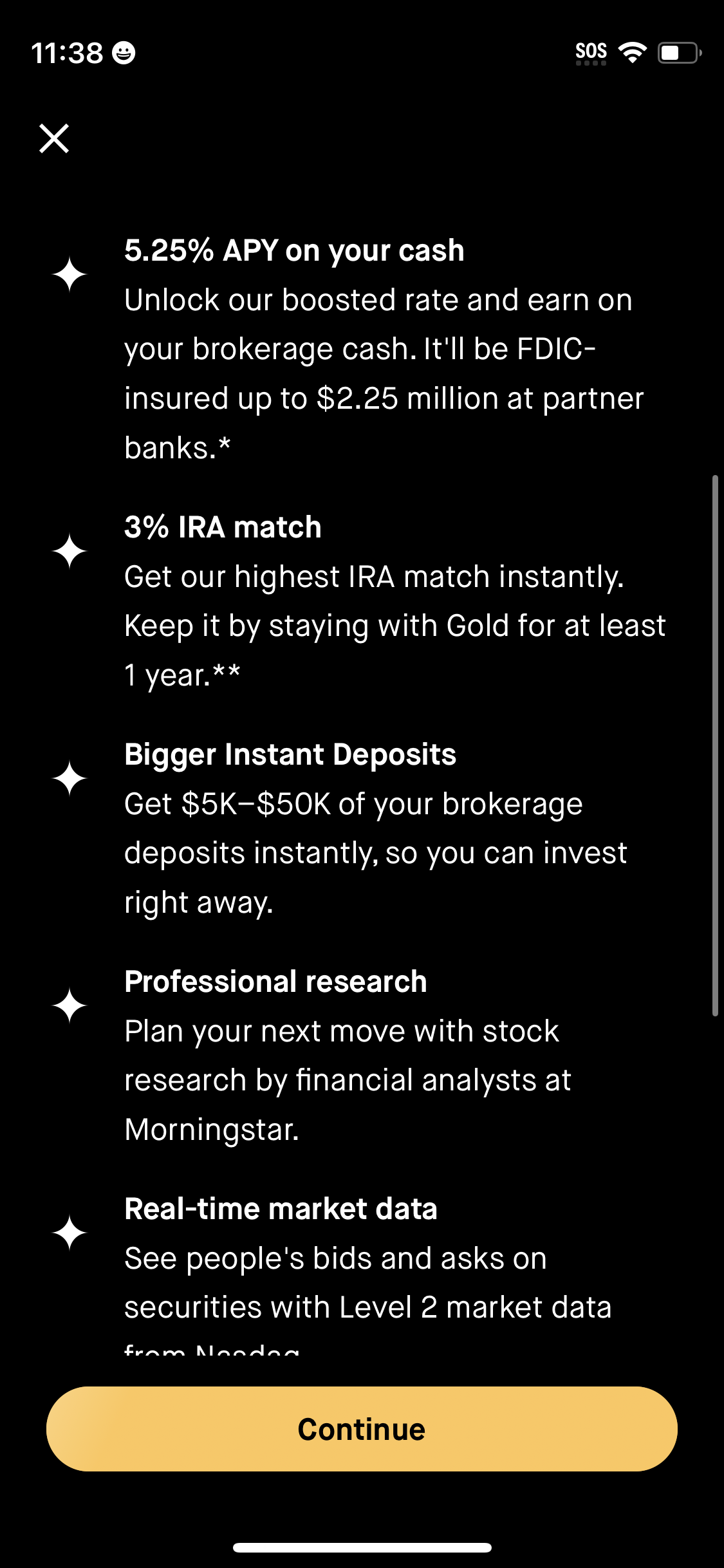
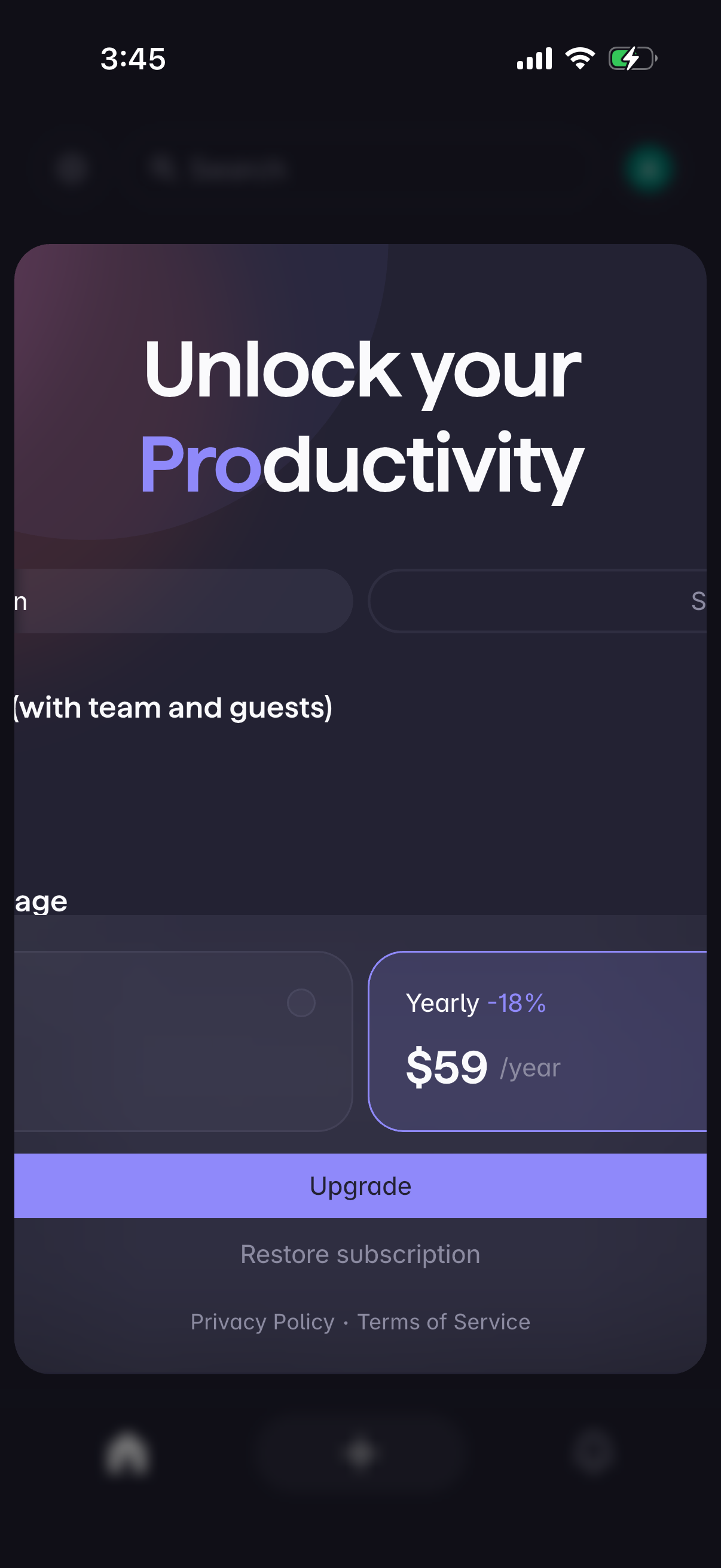
Most paywalls (70%) are direct with no price in the button; putting a price in the button is the exception in every quadrant. Source: Lazyweb Research, 630 paywalls.
| Quadrant | Contents |
|---|---|
| Trial-led / No price in button | Trial-led · no price — 108 (17%) |
| Trial-led / Price in button | Trial-led + price — 20 (3%) |
| Direct (no trial) / No price in button | Direct · no price — 443 (70%) |
| Direct (no trial) / Price in button | Direct + price — 59 (9%) |
| Item | Share of 304 |
|---|---|
| Added (absent → present) | 7% |
| Removed (present → absent) | 6% |
| Kept on both sides | 8% |
| Never on button | 80% |
The finding
When apps rewrite the paywall button, they move price *onto* and *off of* the button in almost equal measure. Of 304 rewritten buttons, 20 (14 companies) added a price marker ($, currency, or /mo-style rate) that was absent before, and 18 (13 companies) removed one that was present before.[1]
The full breakdown
| Price on button | Rows | Share of 304 |
|---|---|---|
| Added (absent → present) | 20 | 7% |
| Removed (present → absent) | 18 | 6% |
| Kept on both sides | 23 | 8% |
| Never on button | 243 | 80% |
Four in five rewritten buttons never carry a price at all — the price lives elsewhere on the paywall, and the button stays a verb.[1]
How to apply it
Because adds (20) and removes (18) roughly cancel, there is no benchmark consensus that price belongs on the button.[1] Test it as a real A/B: putting the exact rate on the button ("Continue — $1.99/mo") sets a firm price anchor, while removing it ("Try for free") lowers perceived commitment. Pick based on whether your paywall is fighting price sensitivity or commitment anxiety.
Caveats
Detection is regex over the button text, so odd formatting can miss a price marker; and all 304 rows are detected diffs with inferred rationale, not measured lift.[1]
The numbers
| Stat | Computed from |
|---|---|
| 304 | Rewritten buttons: cta_text_before and after both present and differ. |
| 20 (14 companies) | Price marker absent before, present after (price added to button); among 304. |
| 18 (13 companies) | Price marker present before, absent after (price removed from button); among 304. |
| 23 | Rewrites with a price marker on both before and after buttons; among 304. |
| 243 (80%) | Rewrites with no price marker on either button; 243/304. |
| 7% | 20/304 price added. |
| 6% | 18/304 price removed. |
| 8% | 23/304 price on both sides. |
Sources & citations
- [1] Lazyweb Research analysis of 304 rewritten paywall buttons (subset of 795 detected changes, 146 companies), July 2026. Detected before/after UI diffs with LLM-inferred rationale (the 'learning' field), not measured A/B outcomes. Some cta_text rows contain descriptive annotations rather than pure button copy; theme tags are regex-over-LLM-text and approximate. ↩
Source: Lazyweb Research — proprietary analysis of real, in-market app screens. Cite as Lazyweb Research, 2026-07-07.
Explore the evidence
Related questions
More in How apps rewrite paywall CTAs (before/after experiment pages) →