Do mobile and web apps default to different themes?
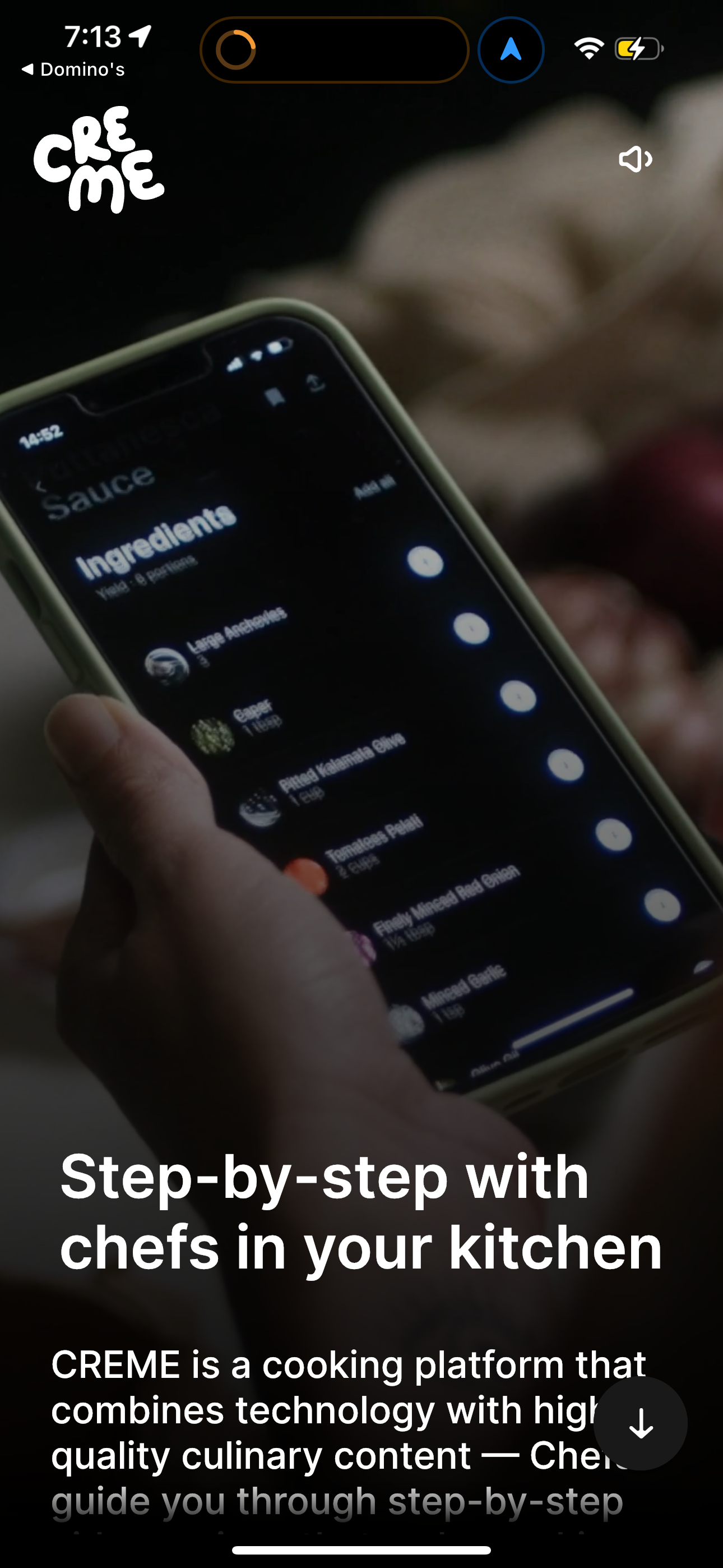
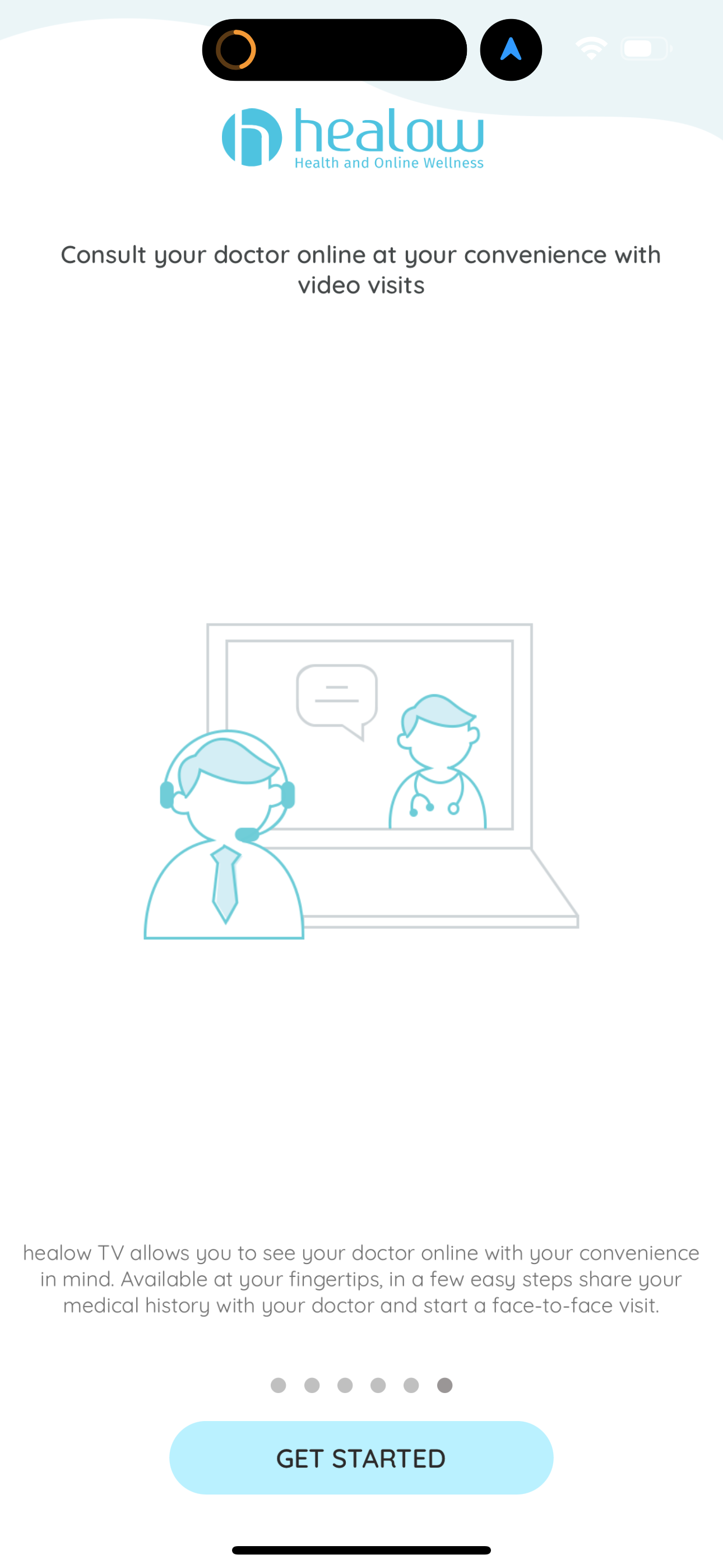
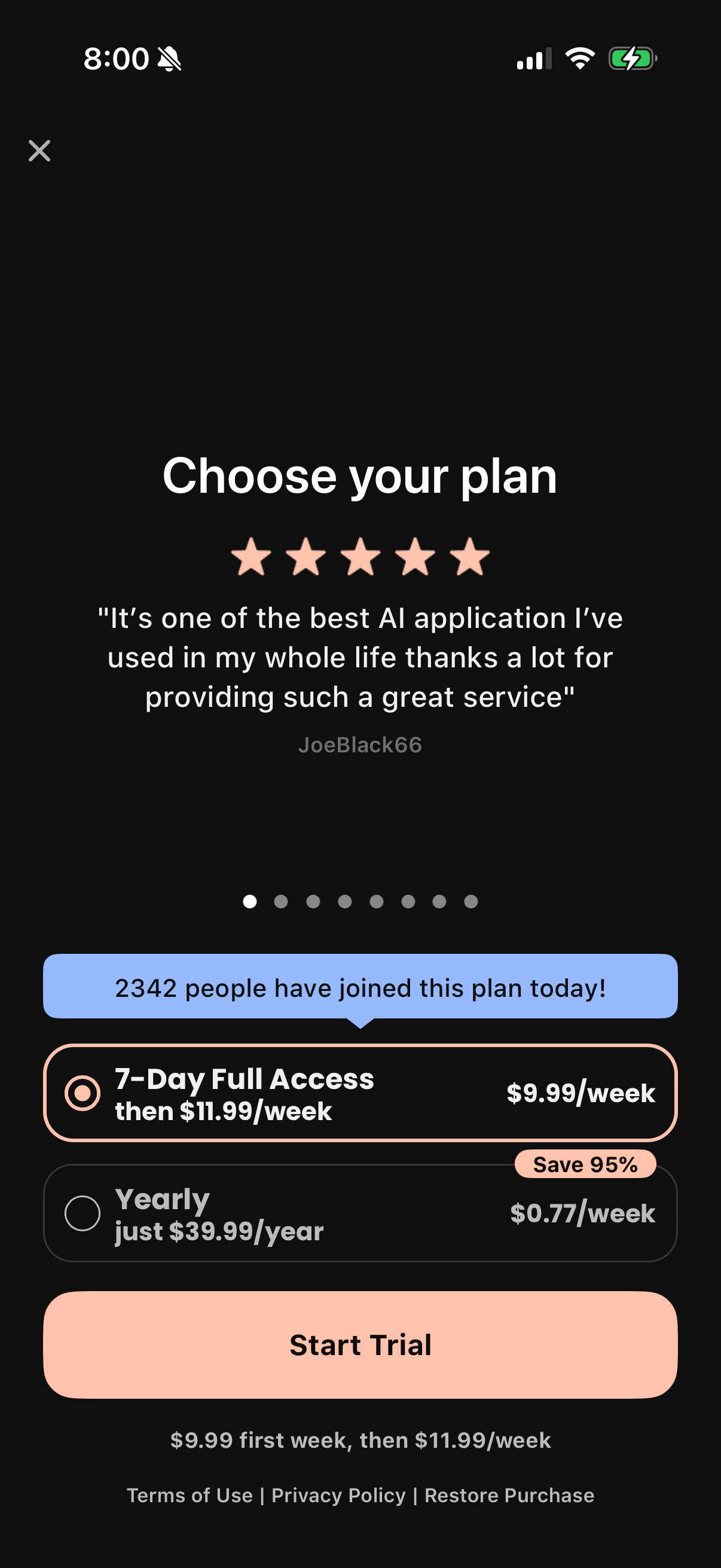
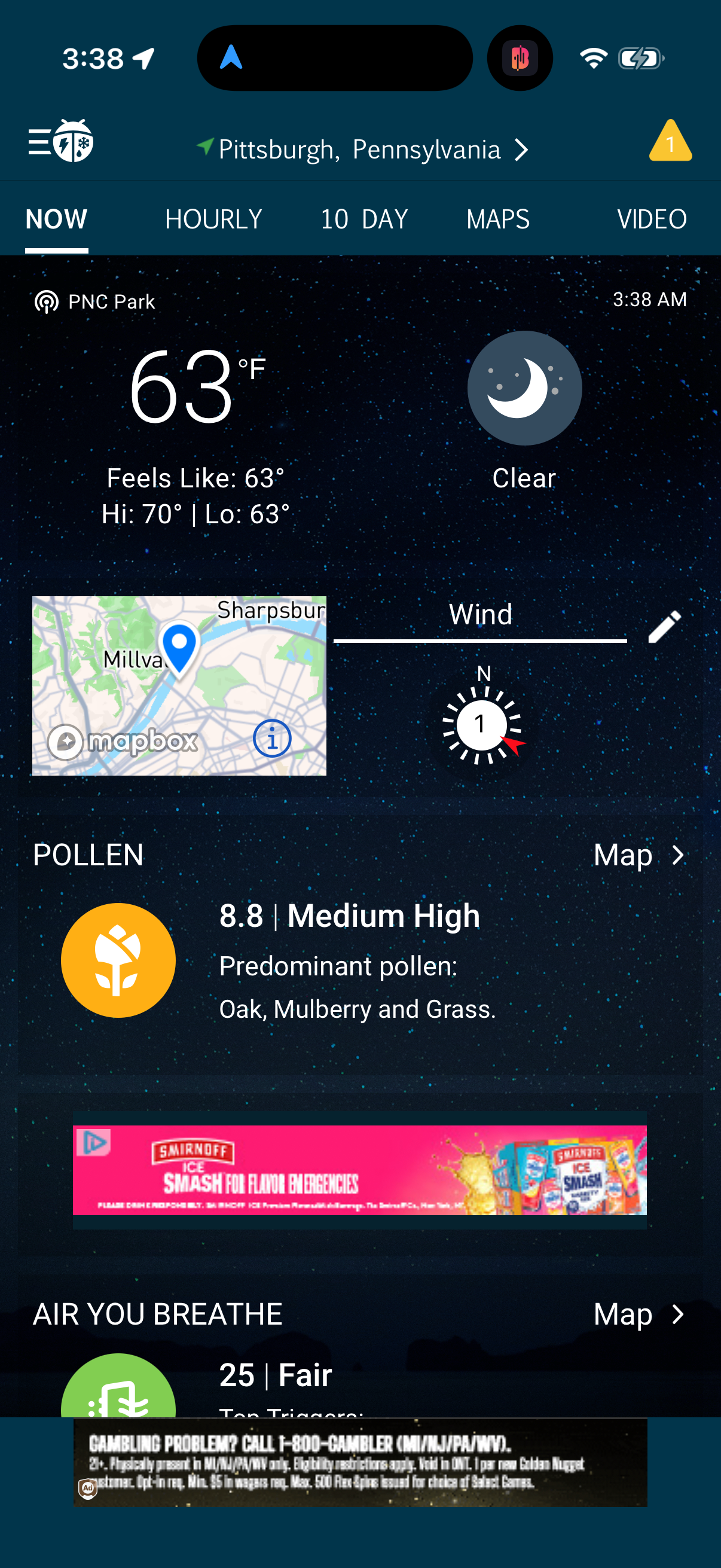
Yes, sharply. 71.0% of 259 audited mobile design systems default to dark, while 68.2% of 261 web design systems default to light [1]. This platform split is the single largest divergence in the whole benchmark — far bigger than the near-even 51/49 overall census.
71% of 259 mobile design systems default to dark vs 68% of 261 web default to light, July 2026.
The split
Platform is the dominant predictor of default theme [1].
| Platform | Dark | Light | n |
|---|---|---|---|
| Mobile | 184 (71.0%) | 75 (29.0%) | 259 |
| Web | 83 (31.8%) | 178 (68.2%) | 261 |
Mobile leans dark by roughly 2.4:1; web leans light by roughly 2.1:1 [1].
How to apply it
If you ship one product across both surfaces, expect your mobile and web design systems to disagree on default theme — and that is normal, not a bug. Notion is the textbook case: a light web system and a dark mobile one under the same brand [2]. Match the platform convention unless your category (below) pushes the other way.
The numbers
| Stat | Computed from |
|---|---|
| mobile 71.0% dark (184/259); web 68.2% light (178/261) | theme_by_platform |
| Notion: light web / dark mobile design system | qualitative:notion |
Sources & citations
- [1] Lazyweb Research analysis of 520 design systems (259 mobile / 261 web), July 2026. Default theme split by platform; mobile and web denominators reported separately. ↩
- [2] Lazyweb Research analysis of 520 design systems (audited design_systems corpus), July 2026. Notion ships a light web design system and a dark mobile one under one brand — an example row, not a statistic. ↩
Source: Lazyweb Research — proprietary analysis of real, in-market app screens. Cite as Lazyweb Research, 2026-07-07.